.svg&w=384&q=75 "naujapitch logo")
FIFA Eases World Cup Bottle Ban Amid Fan Backlash
FIFA has rowed back on its controversial water bottle stance for the 2026 World Cup, allowing fans to bring a single disposable bottle into stadiums in the United States and Canada after a wave of criticism over safety and cost.
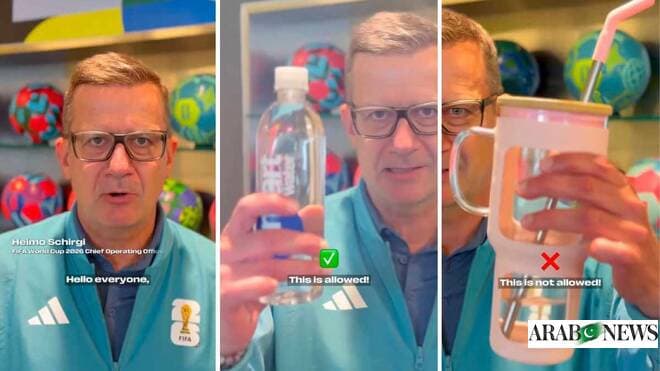
In a video message posted on FIFA’s X account, World Cup chief operating officer Heimo Schirgi confirmed that supporters will be allowed to enter venues with one “soft, plastic” factory-sealed disposable bottle of up to 20 ounces (590ml).
The governing body framed the move as a “clarification” of its policy, not a U-turn. Two days earlier, it had announced that refillable bottles would be banned from all World Cup stadiums, a shift in the official code of conduct that raised fears fans would be forced to buy all their water inside the ground.
That decision landed badly. With ticket prices already high and concerns mounting over extreme heat at several open-air venues, the idea of removing the option to bring personal water sparked immediate anger among supporters’ groups and on social media.
FIFA has stuck to its safety line. In a statement to AFP, it argued that outside bottles are already prohibited at several host venues and that it is simply applying those “safety considerations” across all tournament stadiums “to prevent risk and injury to players and attendees.”
On Friday, Schirgi doubled down on that reasoning, stressing that hard-sided, reusable bottles will remain banned. In the video, he held up examples of what will and will not be allowed, underlining that only soft, disposable plastic bottles will make it past security.
The timing of the row is awkward. Climate and weather experts have warned that fans could be exposed to dangerous conditions during the tournament, which will be staged across the United States, Canada and Mexico.
A recent report from the World Weather Attribution research group estimated that 26 of the 104 World Cup matches are likely to be played in conditions where the Wet Bulb Global Temperature (WBGT) exceeds 26 degrees. WBGT is a measure of heat stress that blends temperature, humidity, wind and sunlight to assess how hard conditions hit the human body.
Supporters already had a taste of what that can mean. At last year’s FIFA Club World Cup in the United States, fans complained of searing temperatures and were again barred from bringing water bottles into venues.
This time, FIFA insists it has prepared a wider cooling plan. The organization says “misting stations, fans, hydration stations and cooling tents” will be available within the “stadium footprint” to help spectators cope with the heat.
Once inside, though, supporters will still have to pay if they want more than the one bottle they bring. FIFA says bottled water prices at the World Cup will “remain consistent with other events held at each stadium,” effectively tying costs to existing venue pricing rather than imposing a tournament-wide cap.
The policy now sits in a delicate middle ground: a concession on soft disposable bottles, a firm stance on reusables, and a tournament heading into a North American summer where every degree on the thermometer will be under scrutiny.