.svg&w=384&q=75 "naujapitch logo")
Egypt's Historic World Cup Knockout Win Against Australia
In the end, it came down to a teenager, a crossbar and a continent holding its breath.
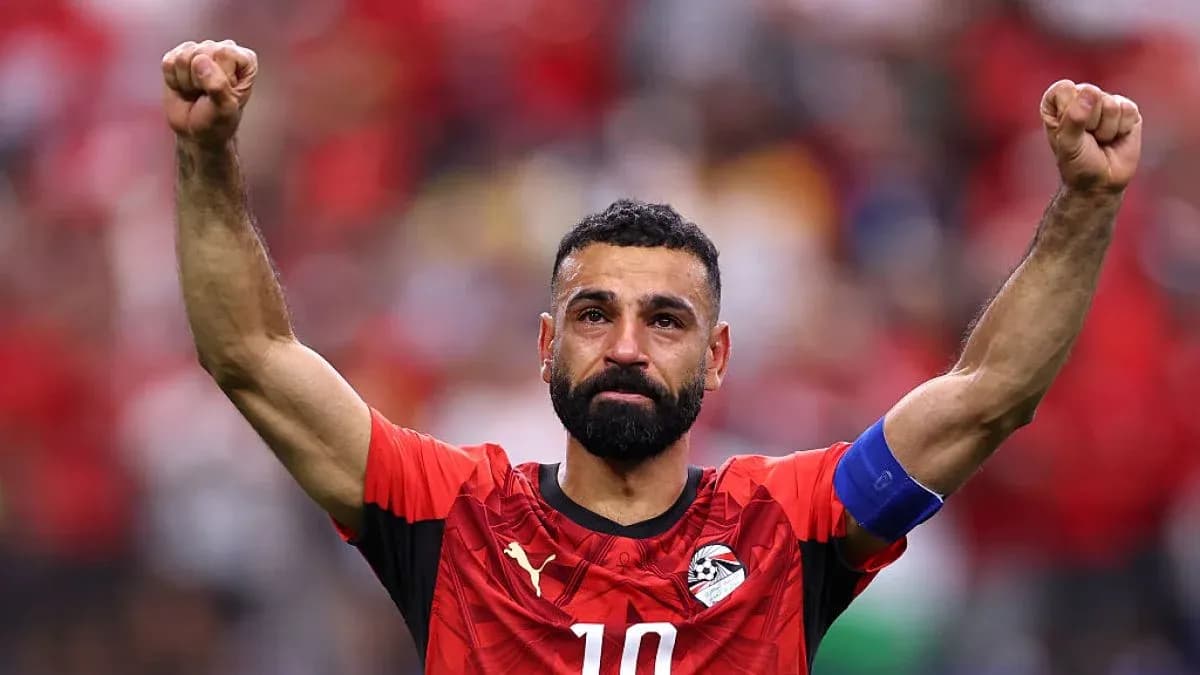
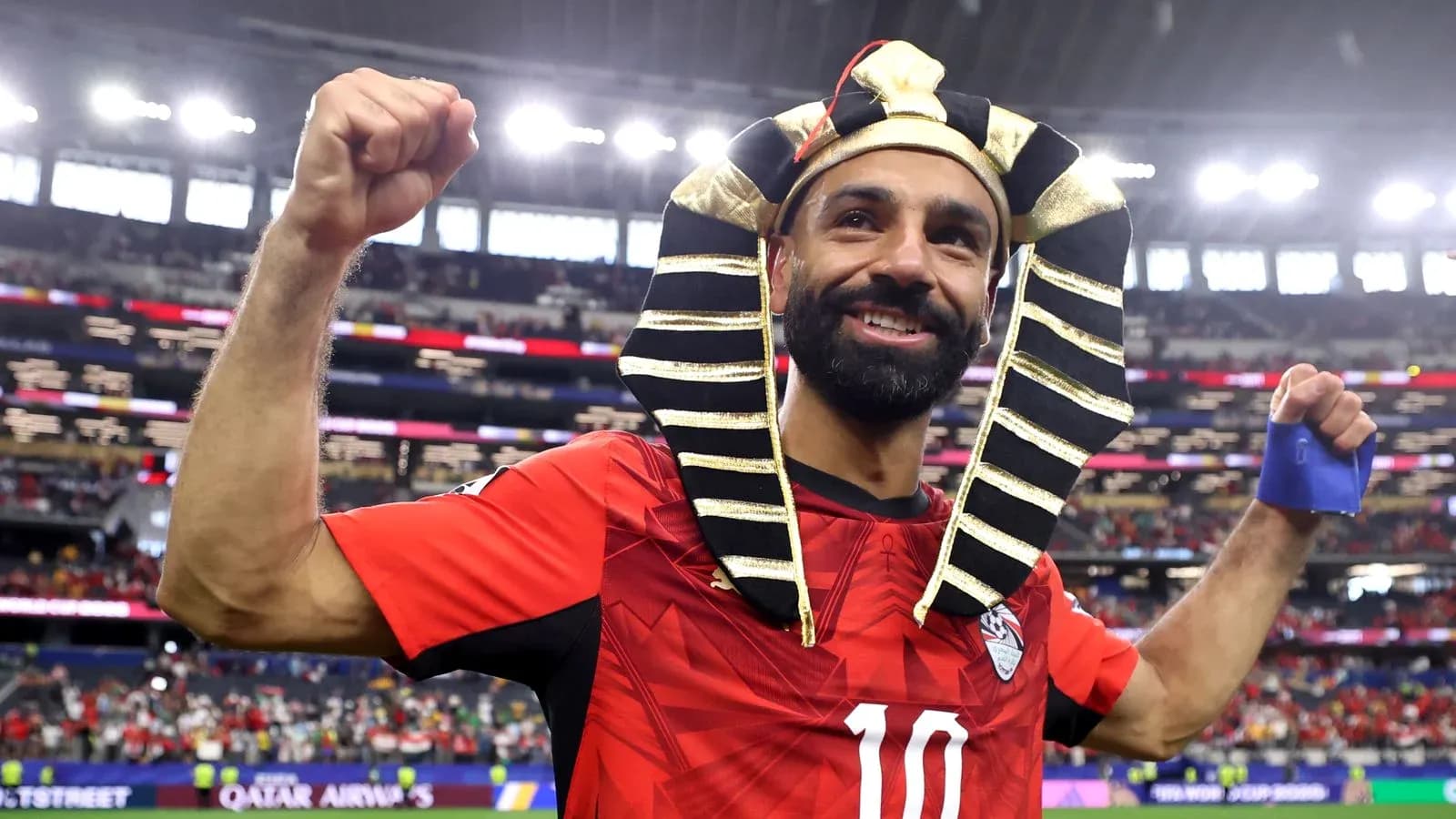
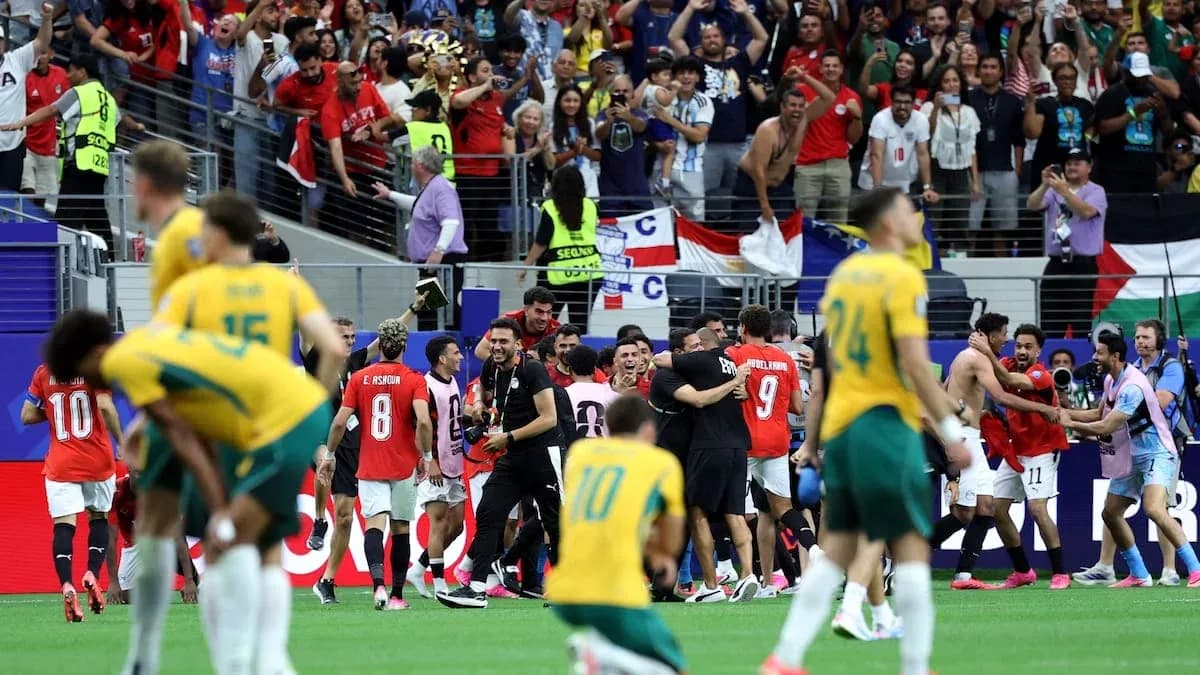
Under the giant roof of the Dallas Cowboys’ home, with 70,000 inside and a wall of Egyptian whistles pouring down, Egypt held their nerve from the spot to edge past Australia and reach a historic men’s World Cup knockout win. Mohamed Salah, quiet for most of the night, walked away in tears of joy. The Socceroos walked away shattered.
A gamble in goal, a brutal start to the shootout
Tony Popovic rolled the dice before the penalties, hauling off his goalkeeper and sending on Mathew Ryan for the shootout – a last throw of the dice from a coach who knew how much history weighed on this tie. Neither Egypt nor Australia had ever won a men’s World Cup knockout game. Someone was going to break new ground. Someone was going to break.
The shootout began badly for Australia. Harry Souttar, the towering defender, stepped up first and thumped his penalty over the bar, high into the night. Shooting towards the bank of Egypt fans, with every step whistled and jeered, the Socceroos were on the back foot immediately.
The next five takers all scored. Salah, who had limped into the tournament with a hamstring strain and barely influenced the contest, rolled his effort in with icy calm. Australia clung on. Then came 18-year-old Lucas Herrington. The defender strode up, struck cleanly – and crashed his kick against the bar.
Abdelmaguid followed, shoulders loose, eyes fixed. He buried his penalty, sending Egypt through and sending Salah to his knees in tears, his team-mates engulfing him as Australian players stared into space, unable to quite believe how close they had come.
Egypt strike first, Australia chase
The night had begun with Egypt looking anything but assured. They had only just collected their first ever World Cup win in the group stage, a 3-1 victory over New Zealand, and early on they looked nervous at the back.
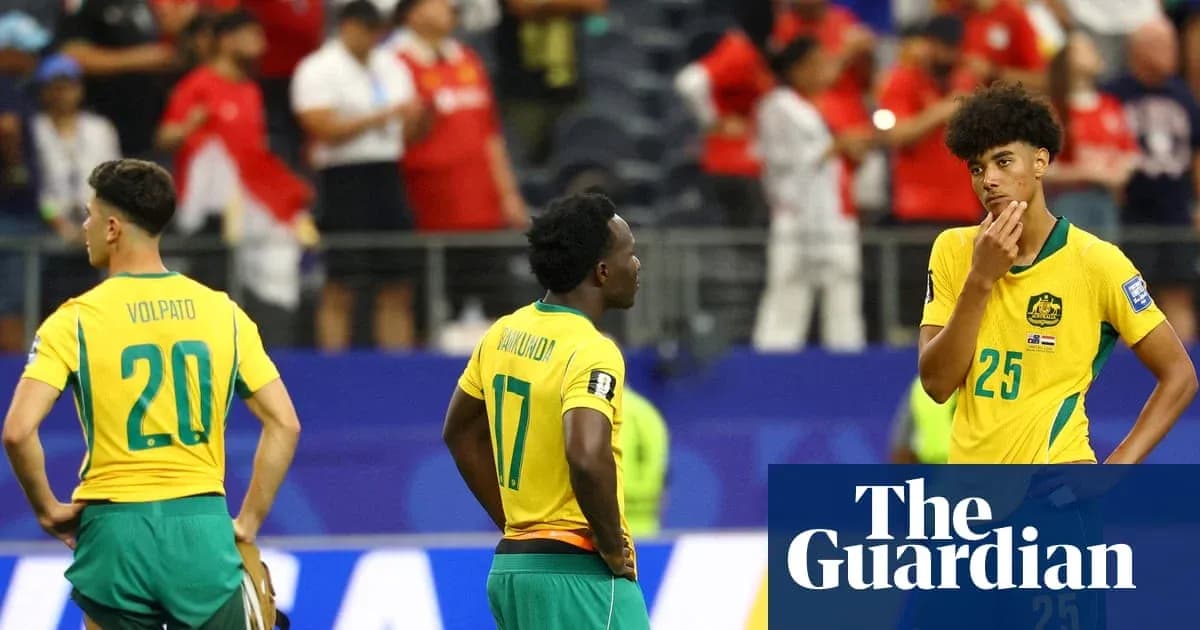
Australia nearly punished them inside five minutes. Cristian Volpato, who switched allegiance from Italy to Australia on the eve of the tournament, rattled the top of the crossbar with a rising effort that had Mostafa Shoubir beaten. It was a warning.
Yet the goal went the other way, and it came slightly against the run of play. Nestory Irankunda lost track of Emam Ashour at the far post, and the Egypt midfielder stole in behind him. Karim Hafez delivered the cross, Ashour powered the header home. Thirteen minutes gone, 1-0, and Ashour had his second goal of the tournament.
The strike played straight into Egypt’s hands. Australia, who had scored only twice in the group phase, suddenly had to chase a game they are rarely comfortable opening up. Their first shot on target did not arrive until 10 minutes before the break, Aziz Behich driving a tame effort at Shoubir, son of Ahmed Shoubir, the goalkeeper who represented Egypt at the 1990 World Cup.
Salah, 34 and still the talisman, spent most of that first half on the fringes. Hamstring tight, space limited, he drifted wide and dropped deep but rarely threatened. The game itself turned attritional, heavy on duels and stoppages.
It ended the half with a thud. Jordan Bos, one of the quickest players at this tournament, went down in a heap after a flying, robust challenge from Rabia. Bos could not continue and Popovic had to turn to Kai Trewin at the interval, a significant blow to Australia’s attacking thrust on the flank.
A chaotic equaliser and rising tension
Seconds after the restart, Australia’s World Cup looked on the brink. Omar Marmoush, the Manchester City attacker, found himself sliding in at close range. The goal gaped. He dragged his finish wide. A huge chance gone.
Egypt’s coach had warned about Australia’s physical edge, and as the second half settled, that concern proved well founded. The Socceroos leaned into set-pieces, into aerial battles, into pressure. From one in-swinging free-kick, that persistence finally paid off.
Mohamed Hany, wrestling with the traffic in front of him, got his angles all wrong and, under pressure, planted a header into his own net. Australia barely believed their luck. Hany could hardly believe his misfortune. It was his second own goal of the tournament, and the match was suddenly level.
The equaliser shifted the mood completely. Both teams knew what was at stake: a first ever men’s World Cup knockout win, a place in their country’s football folklore. The game grew stretched, then tight again, as legs tired and minds sharpened.
Salah remained a peripheral figure in open play but still carried a threat in transition. Deep into added time at the end of the 90, he helped work an opening for Ramy, only for Patrick Beach to throw himself across goal with an athletic save that kept Australia alive and forced extra time.
Extra time, then the long walk
By the end of normal time, Egypt looked the stronger side. They pressed higher, moved the ball with more confidence, and finally started to find Salah between the lines. Early in extra time he carved out a sight of goal, cutting onto his weaker right foot and lashing over. Not vintage Salah, but a reminder he was still there, still waiting for his moment.
The clock ticked. Mistakes crept in. Tackles grew more desperate. Penalties loomed larger with every clearance and every heavy touch. Neither side could find the decisive pass or the calm finish. They staggered to the end of 120 minutes with nothing to separate them but nerve.
From there, it was the cruelty of the shootout, a veteran goalkeeper summoned for one last trick, a first taker blazing over, a superstar finally finding his poise, and a teenager watching his kick cannon back off the bar.
Egypt celebrated their breakthrough World Cup knockout win. Australia, who had dragged themselves back into a contest that seemed to be slipping away, were left to wonder how long it will be before they stand this close to history again.