.svg&w=384&q=75 "naujapitch logo")
Champions League Final 2026: PSG Retains Title Amidst Controversial Viewing Stats
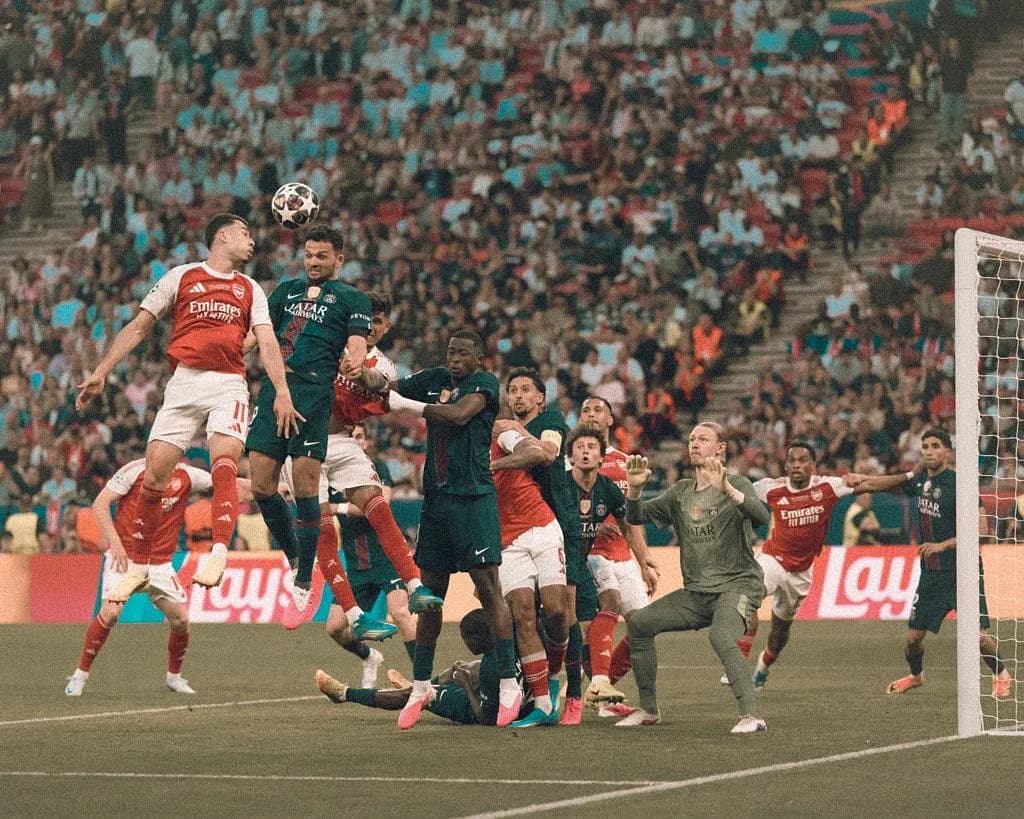
On a warm night in Budapest, PSG kept their hands on the biggest prize in European football. The holders survived Arsenal and a nerve-shredding shootout at Puskás Aréna on 30 May 2026, retaining the UEFA Champions League title after a 1-1 draw and a 4-3 win on penalties.
A final watched in living rooms – and legal grey zones
Across four key markets – the UK, France, Hungary and the United States – the game drew a combined audience of 33.7 million. A huge number for a club match, in a summer already dominated by the FIFA World Cup.
The most eye-catching figure sat inside that total: 16.2 million people in the UK watched via illegal streams.
Not global. Not across multiple continents. Just the UK.
That single number outstripped the total audience using official broadcasters in all four measured markets combined, which reached 12.9 million. With the final locked behind paywalls and not available free-to-air in Britain, millions of fans simply refused to sit this one out. They went looking for a stream and, in staggering numbers, they found one.
The UK delivered the biggest overall audience at 19.4 million. Of those, 16.2 million were watching illegally, 3.0 million tuned in through TNT Sports and HBO Max, and around 200,000 were estimated to have followed the game out of home.
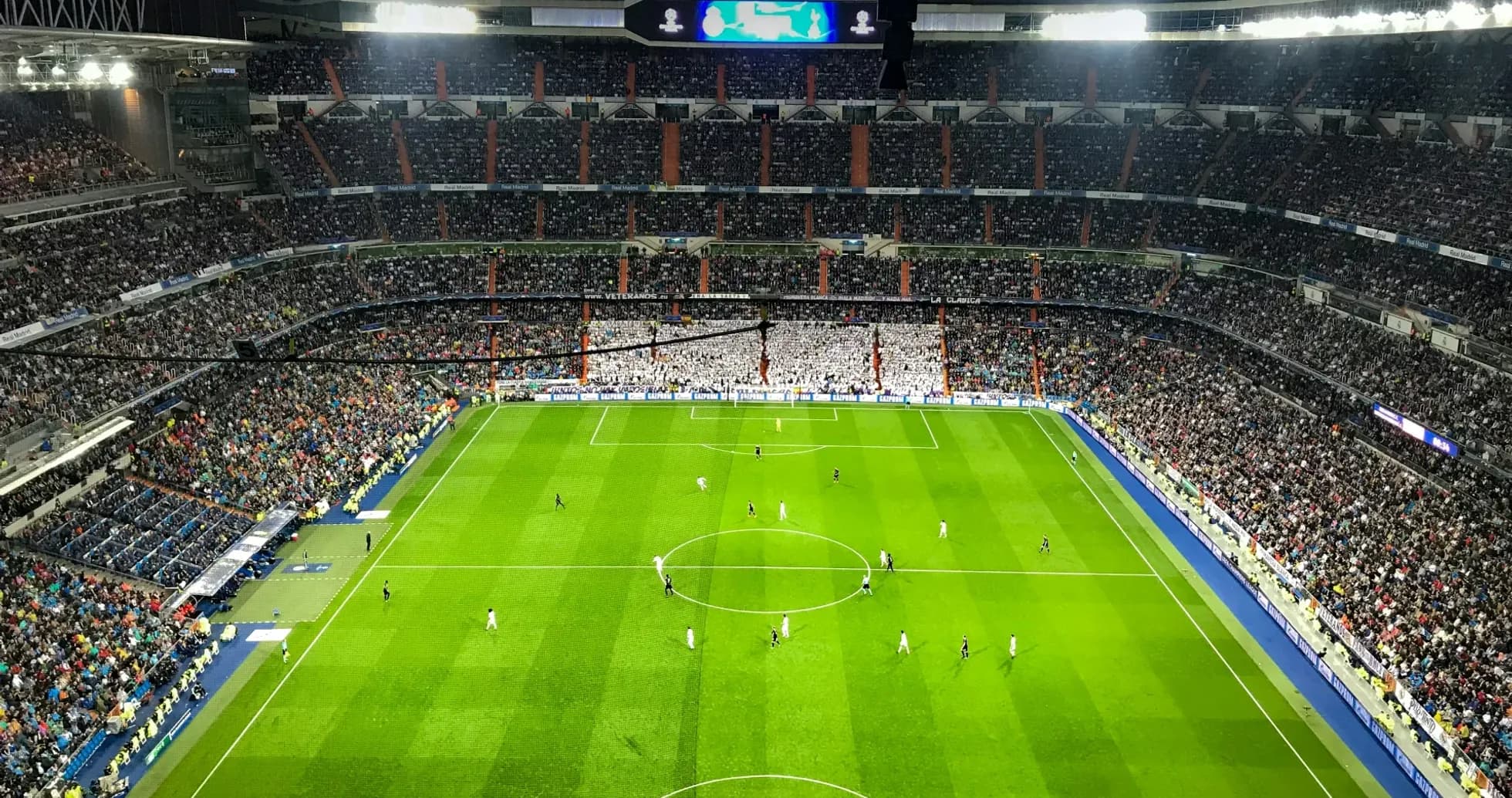
France followed with 9.5 million viewers via M6 and Canal+, while the US contributed 4.8 million across CBS, Univision and Paramount+. Inside Puskás Aréna itself, 61,035 spectators added the noise and colour that television can’t quite capture.
And then there were the bars and pubs. YouGov Profiles data suggests just under 500,000 Arsenal and PSG supporters packed into venues across London and Paris, turning city streets into unofficial fan zones long before kick-off.
Arsenal lose the trophy, but Emirates wins the screen time
On the pitch, PSG kept their crown. On the broadcast, Arsenal’s shirt sponsor stole the night.
YouGov Sport’s Brand Exposure analysis shows Emirates, emblazoned across Arsenal’s front of shirt, enjoyed 2 hours and 52 minutes of on-screen exposure and a Brand Impact Score (BIS) of 3.54. PSG’s main sponsor registered 1 hour and 54 minutes with a BIS of 3.25.
That gap tells its own story. Arsenal’s players were on screen more often in the moments that matter – attacking moves, last-ditch defending, close-up reactions, slow-motion replays. Every time the director cut to an Arsenal shirt, Emirates cashed in.
The detail matters here. Close-ups, replays and extended shots all push a sponsor’s logo further into the viewer’s consciousness. Across the final, Arsenal’s players drew more sustained focus, and Emirates turned that into impact.
Emirates also posted a higher BIS than Qatar Airways (3.54 vs 3.22). The reasons were technical but decisive: a slightly larger logo, stronger positioning on screen, more frequent “solus” moments where Emirates appeared without competing branding, and less visual clutter around it. Longer average exposure per appearance only deepened the effect.
For sponsors and clubs negotiating the next mega-deal, this is not a footnote. It’s the point. A dramatic, front-foot performance from a losing side can deliver more commercial value than a low-key win. In Budapest, the numbers say Emirates came out ahead of the champions’ sponsor.
Forty-two billion impressions: a final that wouldn’t switch off
When the trophy was lifted and the fireworks faded, the game simply moved to another arena.
Across 30–31 May, the Champions League final triggered more than 40,500 social media posts, 13,700 videos and 24,500 online articles. The result: 42 billion potential impressions, 1 billion video views and 10 billion in potential readership.
PSG dominated this digital afterglow. The French club generated 8.6 billion impressions and 418.6 million video views across its official social channels. Arsenal, by comparison, recorded 3.7 billion impressions and 49.7 million video views.
The reason was blunt: output. PSG pushed out more content, more quickly, and across more formats. The victory lap stretched far beyond the pitch and into timelines worldwide, amplifying the value of the win for both club and sponsor.
When fans love the club, the sponsor rides the wave
The story didn’t stop at eyeballs and logos. It ran into how supporters actually felt.
Using YouGov BrandIndex, analysts compared Recommendation levels – how likely someone is to recommend a brand – for Emirates among Arsenal fans in the UK and Qatar Airways among PSG fans in France, against those countries’ general populations.
In both cases, club supporters were significantly more likely to recommend the sponsor than the wider public. The bond between team and brand is clear: if you love the shirt, you’re more inclined to back the name on it.
Around the time of the final, Emirates saw an uptick in Recommendation among Arsenal supporters. Qatar Airways, meanwhile, held consistently strong Recommendation scores among PSG fans throughout the measured period.
Multiple forces shape brand perception, so no single match can claim all the credit. But these shifts underline a key point: fan sentiment can turn raw exposure into real commercial value.
YouGov Sport’s BIS-X framework attempts to capture that full picture, blending exposure metrics with fan perception and brand health data. The stronger uplift in Recommendation among Arsenal supporters suggests Emirates didn’t just enjoy better visibility in Budapest. It also benefited from more vocal fan advocacy, compounding the impact of its shirt deal.
Beyond the logo count
The 2026 Champions League final laid bare how crude it now looks to judge sponsorship on “who watched” and “how long the logo was on screen” alone.
Audience figures matter. So do exposure minutes. But neither can explain, on their own, why a losing team’s sponsor can outshine the winner’s, or why a paywalled final can still command 33.7 million viewers while driving 16.2 million of them into the shadows of illegal streaming.
When brands stitch together audience data, broadcast exposure, social buzz and live fan sentiment, a different picture emerges – one where impact is not just seen, but felt.
In a football economy increasingly defined by fragmented viewing and restless digital audiences, the real question for sponsors after nights like Budapest is no longer simply: “How many watched?”
It’s: “How deeply did it move them – and whose logo were they looking at when it did?”