.svg&w=384&q=75 "naujapitch logo")

Barcelona vs Real Betis: La Liga Round 37 Match Analysis
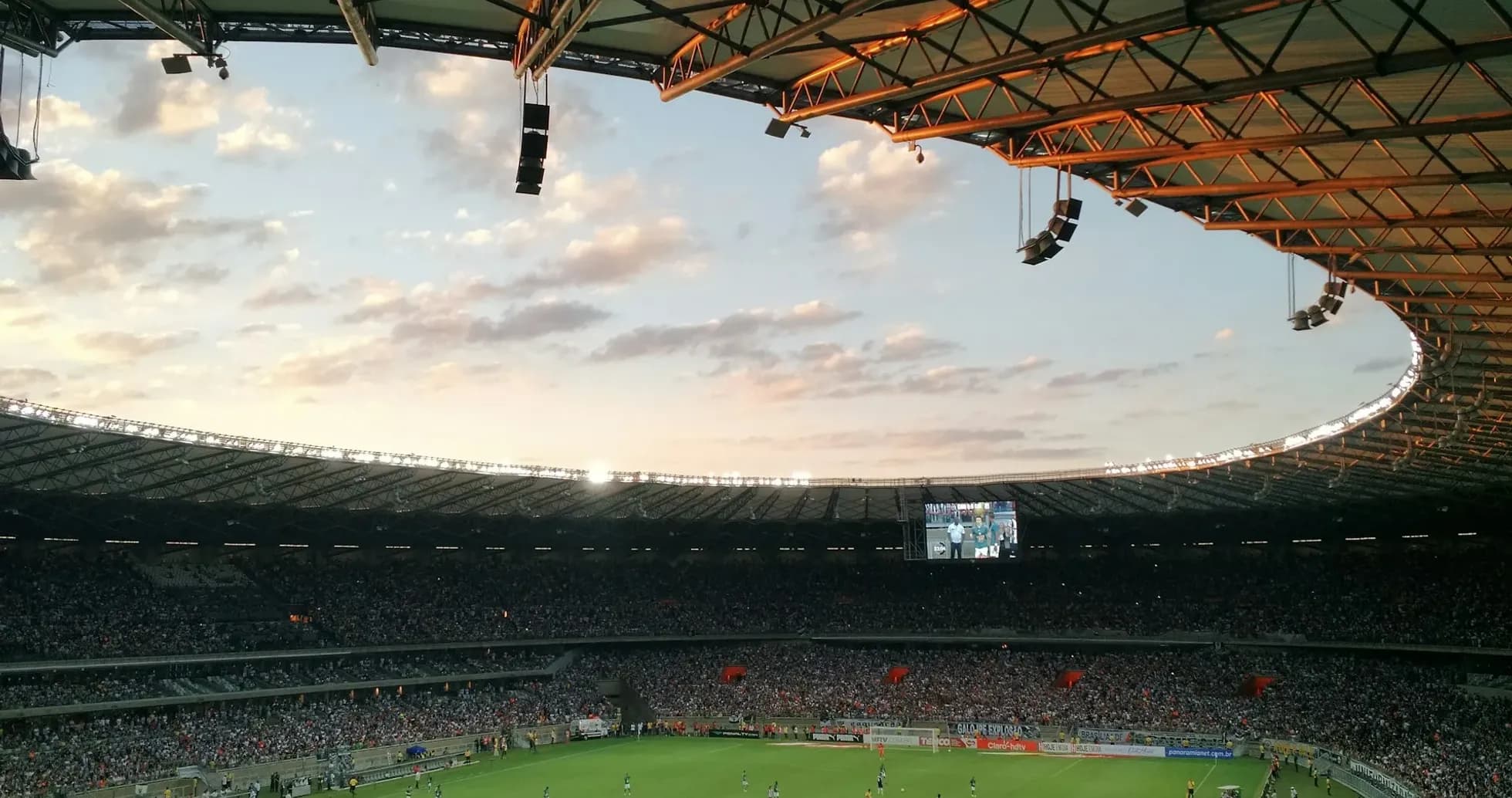
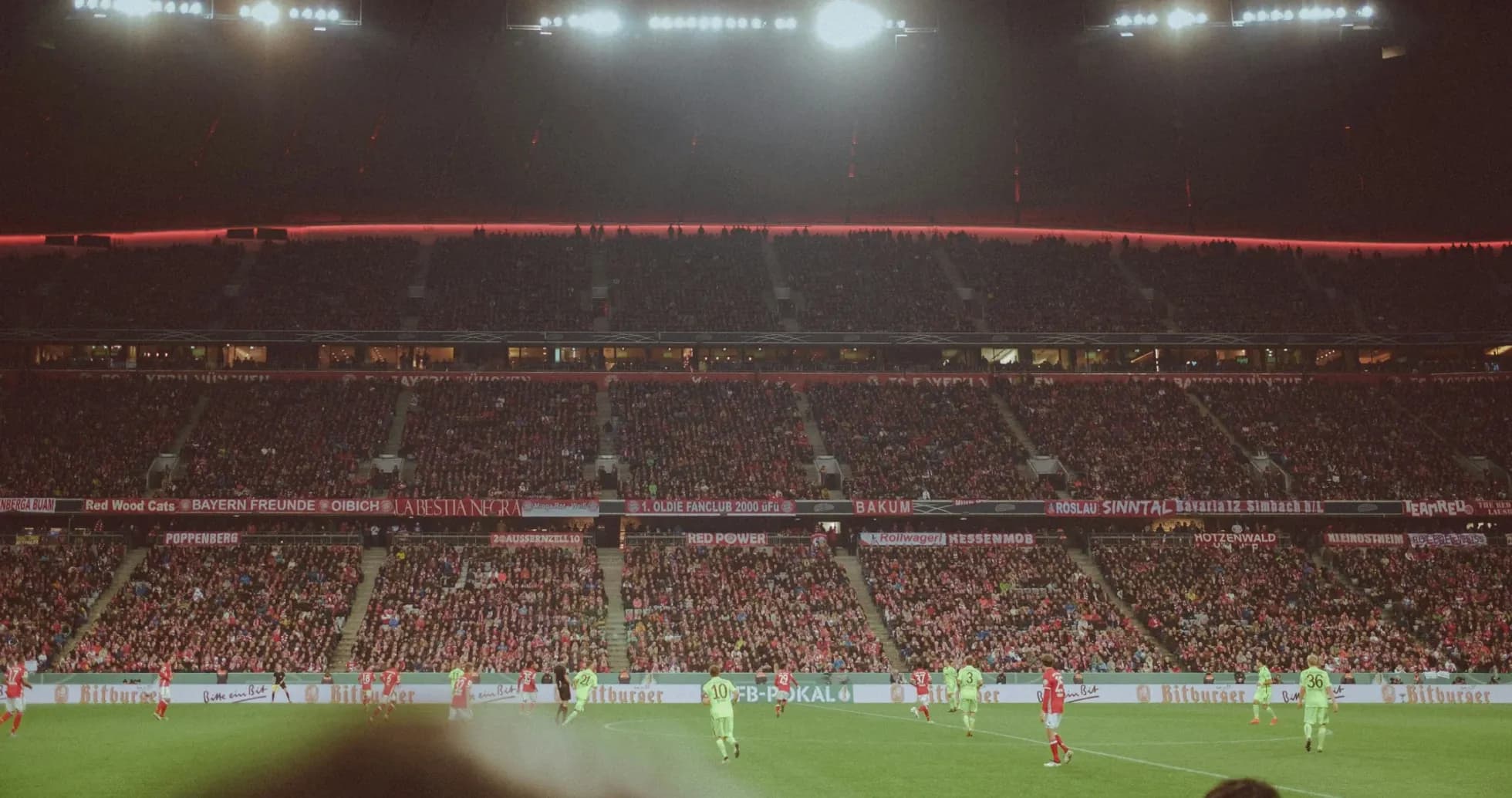
The Camp Nou under lights, round 37 of La Liga, and a Barcelona side already shaped like champions against a Real Betis team pushing to lock in Europe. The 3–1 full-time scoreline felt less like a surprise and more like the natural consequence of two very different seasonal identities colliding.
Heading into this game, Barcelona sat top of the table on 94 points from 37 matches, with a ferocious overall goal difference of +61, built from 94 goals scored and 33 conceded. At home they had been flawless: 19 wins from 19, 57 goals for and only 10 against, an average of 3.0 goals scored and 0.5 conceded per home match. Real Betis arrived as a clever, resilient fifth-placed side on 57 points, with a total goal difference of +10 (57 for, 47 against). On their travels they had been awkward opponents rather than ruthless ones: 5 away wins, 9 draws, 5 defeats, scoring 25 and conceding 29, an away average of 1.3 goals scored and 1.5 conceded.
I. The Big Picture – Flick’s high-wire act vs Pellegrini’s pragmatism
Hansi Flick doubled down on Barcelona’s attacking DNA with a 4‑3‑3, even in a match that could easily have tempted rotation. J. Garcia started in goal behind a back four of J. Cancelo, G. Martin, E. Garcia and J. Kounde. In midfield, Gavi, M. Bernal and Pedri formed a technical triangle designed to suffocate Betis between the lines. Up front, Raphinha and Fermín flanked R. Lewandowski, a trio that blends touchline width, late runs and penalty-box craft.
Manuel Pellegrini answered with a 4‑1‑4‑1 that was more nuanced than conservative. A. Valles was protected by H. Bellerin, Natan, V. Gomez and J. Firpo, with S. Amrabat screening as the single pivot. Ahead of him, Antony and A. Ezzalzouli worked the flanks, while N. Deossa and A. Fidalgo operated as interior playmakers behind G. Lo Celso, who led the line as a false nine more than a classic striker.
The season-long numbers framed the contest: overall, Barcelona averaged 2.5 goals for and 0.9 against per match, while Real Betis sat at 1.5 for and 1.3 against. It was a duel between a heavyweight attack and a side used to walking a fine line in tight matches.
II. Tactical Voids – Absences that bent the game plan
Both coaches had to navigate significant absences that subtly re-wrote their scripts.
For Barcelona, the missing trio of Lamine Yamal (thigh injury), Ferran Torres (muscle injury) and F. de Jong (rest) stripped Flick of three key reference points. Yamal’s 16 league goals and 11 assists, plus his 244 attempted dribbles with 135 successes, usually give Barcelona a one‑man chaos engine on the right. His penalty record – 3 scored but 1 missed – underlines both his responsibility and fallibility in high-pressure moments. Without him, Raphinha’s role grew: his own 13 goals and 3 assists in the league, built on 49 shots and 43 key passes, meant he became the primary wide finisher and creator. The absence of Ferran Torres’ 16 goals further concentrated the burden on Lewandowski and the wide men, while De Jong’s rest forced more progression duty onto Pedri and M. Bernal.
Betis were even more depleted. S. Altimira (calf), M. Bartra (heel), A. Ortiz (hamstring) and A. Ruibal (knee) removed depth and defensive versatility, but the real tactical wounds were disciplinary: Cucho Hernandez and D. Llorente both out through yellow-card accumulation. Cucho’s 11 league goals and 3 assists from 31 appearances, plus 63 shots and 279 duels (125 won), had been central to Betis’ vertical threat. Without him, G. Lo Celso’s role as nominal forward became more about linking play than running behind, making Betis more intricate but less explosive.
III. Key Matchups – Hunter vs Shield, and the battle for the engine room
Hunter vs Shield
The headline duel was Barcelona’s multi-headed attack against Betis’ away defence that had conceded 29 goals on their travels. Lewandowski, with 13 league goals from 30 appearances, is no longer the sole battering ram but remains lethal when service is structured around him. With Barcelona averaging 3.0 home goals and Betis conceding 1.5 away, the structural numbers tilted heavily toward sustained pressure on A. Valles’ box.
Raphinha’s direct running at J. Firpo and V. Gomez was a persistent stress test. His 21 successful dribbles from 41 attempts this season speak to a winger who may not attempt Yamal’s volume but chooses his moments well. Every time he inverted onto his left foot, Betis’ back line had to compress, leaving space for Fermín’s late arrivals – the same Fermín who has 6 goals and 9 assists, with 34 key passes and 79 dribble attempts, operating as a hybrid eight‑ten.
On the other side, Betis’ most dangerous patterns came from A. Ezzalzouli and Antony attacking Barcelona’s full-backs. Ezzalzouli’s 9 goals and 8 assists, plus 84 dribble attempts and 69 fouls drawn, made him Betis’ primary ball-progressor and foul‑winner. His duels – 363 contested, 190 won – show a winger comfortable in repeated 1v1s. Antony, with 8 goals and 6 assists and 53 key passes, mirrored that threat from the opposite side. Their mission was clear: isolate Cancelo and G. Martin, force them into defensive footraces, and buy Betis set‑piece and transition platforms.
The Engine Room
The midfield battle was a clash of different types of control. For Barcelona, Pedri’s season – 2 goals, 9 assists, 2055 passes at 91% accuracy and 64 key passes – made him the metronome and scalpel. Alongside him, Gavi’s intensity and M. Bernal’s balance were designed to pin Betis high and deny S. Amrabat time to breathe.
Amrabat, as the single pivot, had to screen against one of Europe’s most fluid interiors. Any lapse in his positioning risked exposing Natan and V. Gomez to direct entries from Pedri or vertical movements from Fermín. On the other side, P. Fornals and N. Deossa’s profiles – Fornals with 6 assists, 83 key passes and 1721 total passes at 86% accuracy – hinted at Betis’ intention to pass through pressure rather than simply bypass it.
Disciplinary undercurrents also mattered. Barcelona’s yellow-card distribution this season shows a peak between 46‑60 minutes at 27.87% and another late spike at 21.31% between 76‑90. Betis, by contrast, have their biggest yellow surge late: 26.39% between 76‑90 and 18.06% between 91‑105. In a match where Betis were likely to be chasing phases of the game, that late-card tendency risked stalling any comeback with stoppages and tactical fouls.
IV. Statistical Prognosis – Why 3–1 felt baked into the script
Following this result, the numbers and patterns align neatly with what unfolded. Barcelona’s overall attacking average of 2.5 goals per match and 3.0 at home met a Betis side conceding 1.5 away; a three-goal haul fits squarely within that offensive ceiling. Defensively, Barcelona’s overall 0.9 goals conceded per game, combined with Betis’ 1.5 goals scored overall and 1.3 away, always allowed for Betis to find a goal, especially through the creativity of Ezzalzouli, Antony or Fornals.
From an xG perspective – even without explicit values – the structural expectation was clear: Barcelona’s territorial dominance, shot volume and penalty‑area presence from Lewandowski, Raphinha and Fermín should generate a higher cumulative xG than Betis’ more selective, transition‑based attacks. Betis’ away clean-sheet count of only 3 from 19 further underlined how unlikely it was that they would shut Barcelona out at Camp Nou.
In the end, the 3–1 scoreline reads like a statistical and tactical synthesis: a perfect home machine extending an immaculate home record, and a brave, technically gifted Betis side discovering that in this stadium, against this version of Barcelona, resilience only delays the inevitable rather than rewriting it.