.svg&w=384&q=75 "naujapitch logo")
Arsenal Target Morgan Rogers for Summer Rebuild
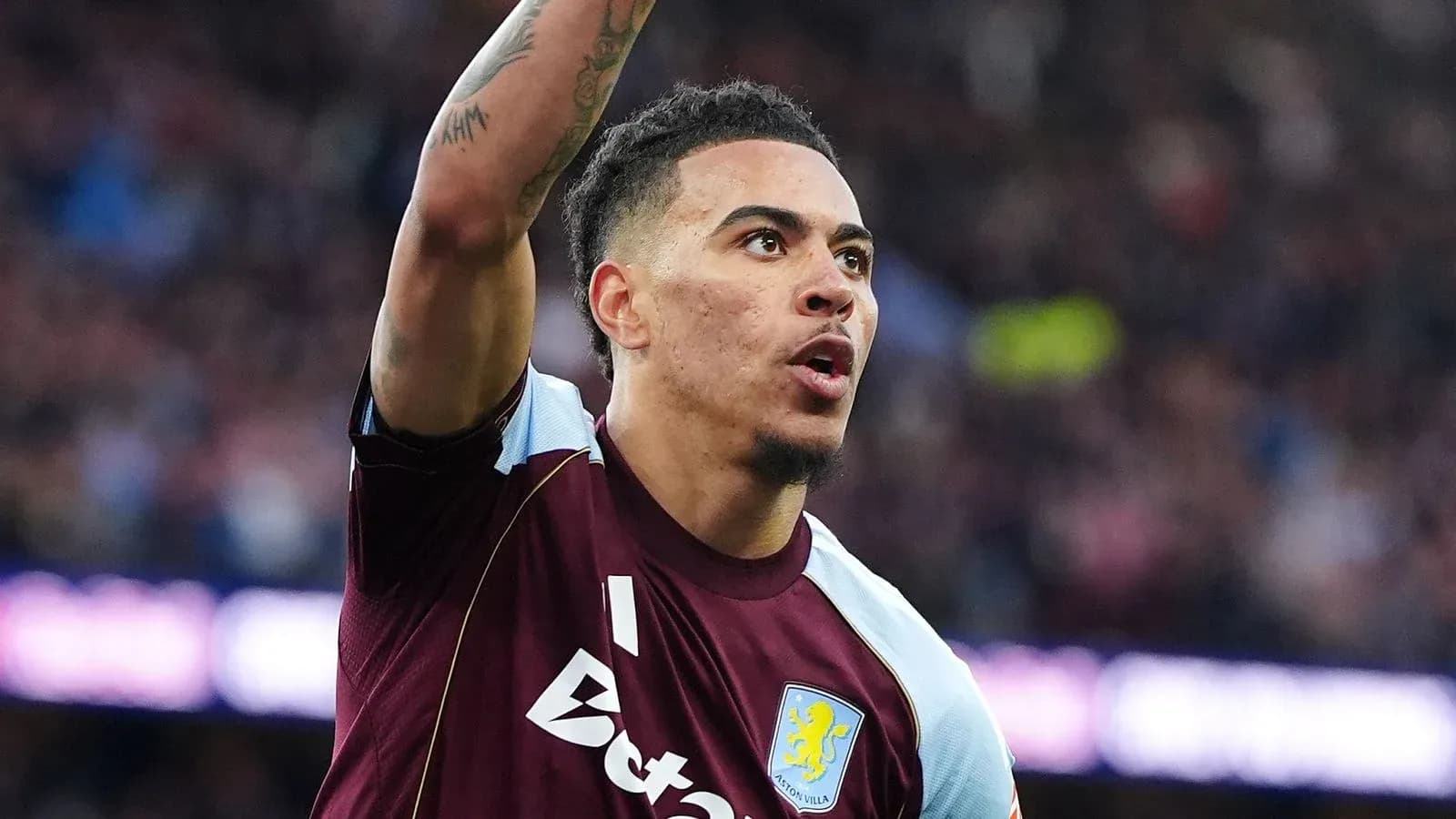
Arsenal have fixed their gaze on Morgan Rogers. Not as a passing fancy, not as a “one of many” option, but as the headline act of their summer rebuild in attack.
No bid has gone in to Aston Villa yet. No formal club-to-club talks. But with England out of the World Cup and a £34m deal for Christos Tzolis agreed, the focus in north London is sharpening. Arsenal want a forward who can change the dynamic of their left side. They believe Rogers is that player.
The price will be brutal. The market has already been distorted by big-money deals for midfielders such as Elliot Anderson and Sandro Tonali, and Rogers is expected to cost well over £100m. Villa know it. Arsenal know it. Everyone circling this deal knows it.
And Villa are in no mood to fold.
Villa’s power play
Unai Emery’s side have been absolutely clear: they do not want to sell. Rogers signed a new contract only last November, tying him to Villa Park until 2031. That deal was more than a reward for his rise; it was a statement of intent. If anyone wants him now, they will have to pay a premium that hurts.
They can justify it. The 23-year-old delivered 14 goals and 11 assists in 55 appearances last season, numbers that speak to end product as much as promise. Since arriving from Middlesbrough in 2024 for £16m, he has gone from intriguing talent to central figure in an Emery side that qualified for Europe and played with a clear attacking identity.
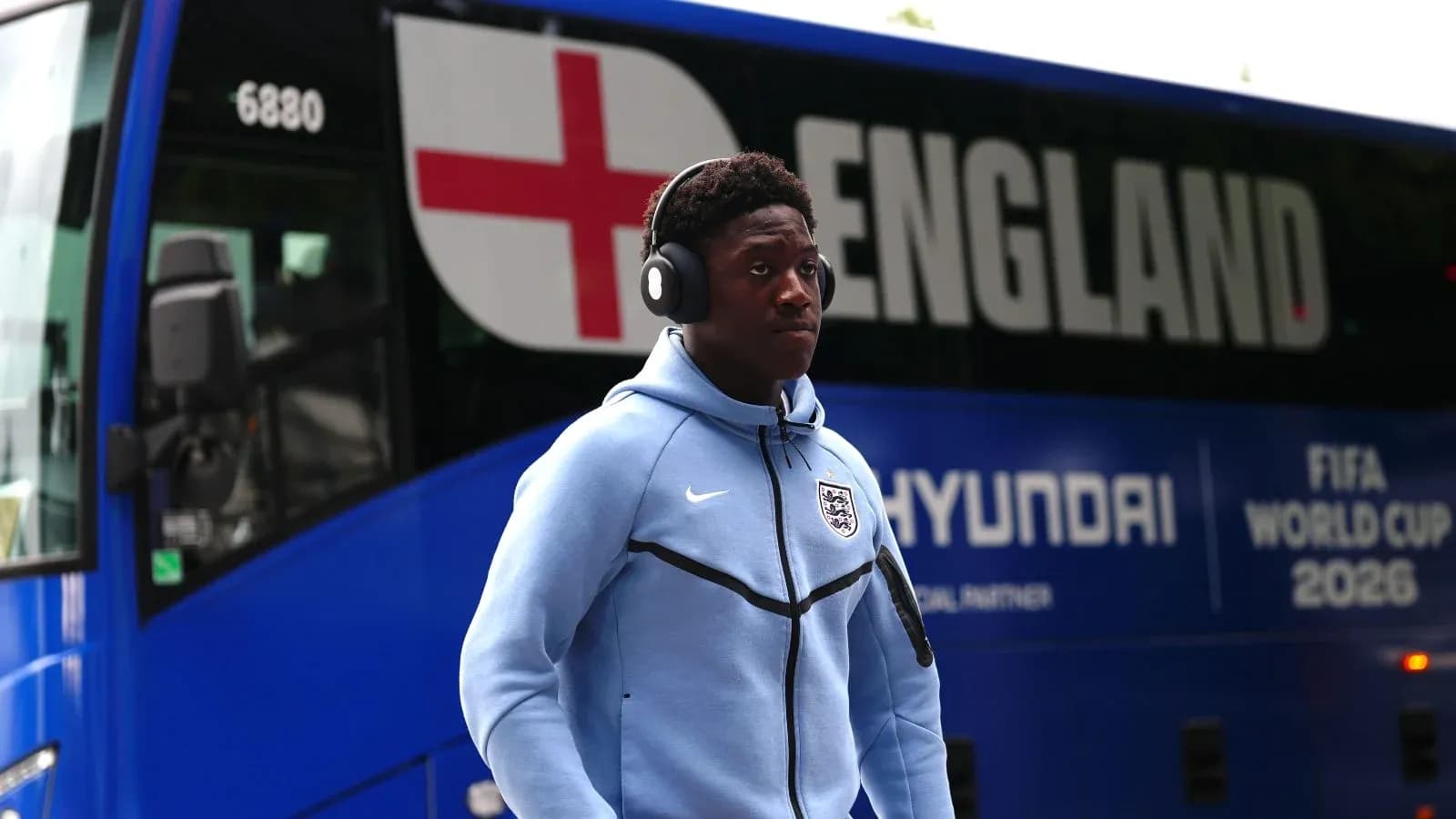
That surge has carried him into the England setup too. Rogers already has 21 caps, five of them at the 2026 World Cup, where he teed up Anthony Gordon’s goal in the semi-final defeat to Argentina. This is no longer a project player. This is a full international in the middle of his first real peak.
Manchester United, Chelsea and Paris Saint-Germain are all watching. Arsenal, though, have moved him to the very top of their list.
Arteta’s left-side revolution
Mikel Arteta’s thinking is clear. With Martin Odegaard and Eberechi Eze available as central creators, Arsenal are targeting Rogers primarily as a wide option. The left flank is being ripped up and redrawn.
Tzolis is on his way in. Leandro Trossard is on his way out. The idea is to add pace, power, and a more direct threat from the left, and to do it with a player who can also slide inside and overload central areas when needed. Rogers fits that profile.
The obvious question follows: is he really a winger?
His reputation was built as an attacking midfielder, a player who even pushed Jude Bellingham for England’s No 10 shirt at times. But the positional data is on his side. Around 45 per cent of his Premier League minutes for Villa last season came from the left wing.
Emery’s system, with Ollie Watkins as the reference point, was built on constant movement around the striker. Emiliano Buendia, John McGinn and Rogers all rotated between lines, zones and roles. Rogers often started wide, drifted inside, then attacked the box. It gave him a crash course in life as a modern wide forward.
It is not a new world for him either. At Lincoln City, he was used as a winger. At Middlesbrough, he sometimes operated as a false nine or centre-forward. In England’s World Cup semi-final against Argentina, he lined up on the right and still produced the assist for Gordon.
The pattern is obvious: wherever coaches have needed him, he has adapted.
At 23, he is still at an age where top-level coaching can refine his game again, sharpen his one-v-one threat and polish his decision-making in the final third. Arsenal’s staff believe there is no reason he cannot own that left-wing role in the medium term, even if he continues to drift into central pockets.
A market full of complications
Rogers is not the only forward on Arsenal’s radar, but he is the one they are pushing to the front. The club remain interested in Julian Alvarez, yet that move looks tangled before it even starts. The player’s family prefer to stay living in Spain, and Alvarez wants Barcelona. Arsenal can admire from afar, but they are fighting geography and desire there, not just numbers on a contract.
Bradley Barcola of PSG is another name that has not gone away. Arsenal like him. Liverpool do too. Again, there has been no direct contact between Arsenal and PSG, but the framework of a potential deal has been explored in the background.
PSG, like Villa with Rogers, do not want to sell. Barcola’s situation will depend on how PSG reshape their attack as the window develops. If they move for other forwards, the dominoes could start to wobble. If they don’t, the door may stay shut.
So Arsenal keep their options open, but their intent is clear. They want a new face to transform their left side. They want someone who can score, create, and press with intensity. Someone who can live with the weight of a fee north of £100m and the expectation that comes with a move to a title-chasing club.
All roads, for now, lead back to Morgan Rogers and a simple, brutal equation: how much are Arsenal willing to suffer to prise him from a club that has no desire to sell?