.svg&w=384&q=75 "naujapitch logo")
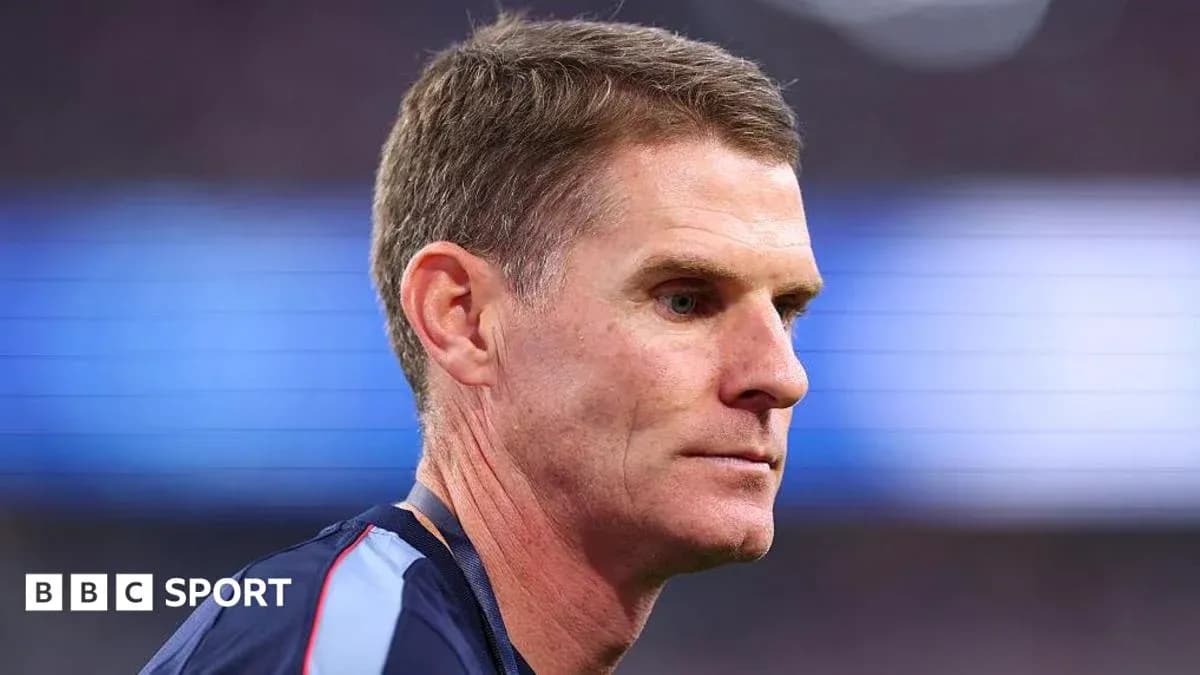
Anthony Barry's Candid Half-Time Interviews at the World Cup
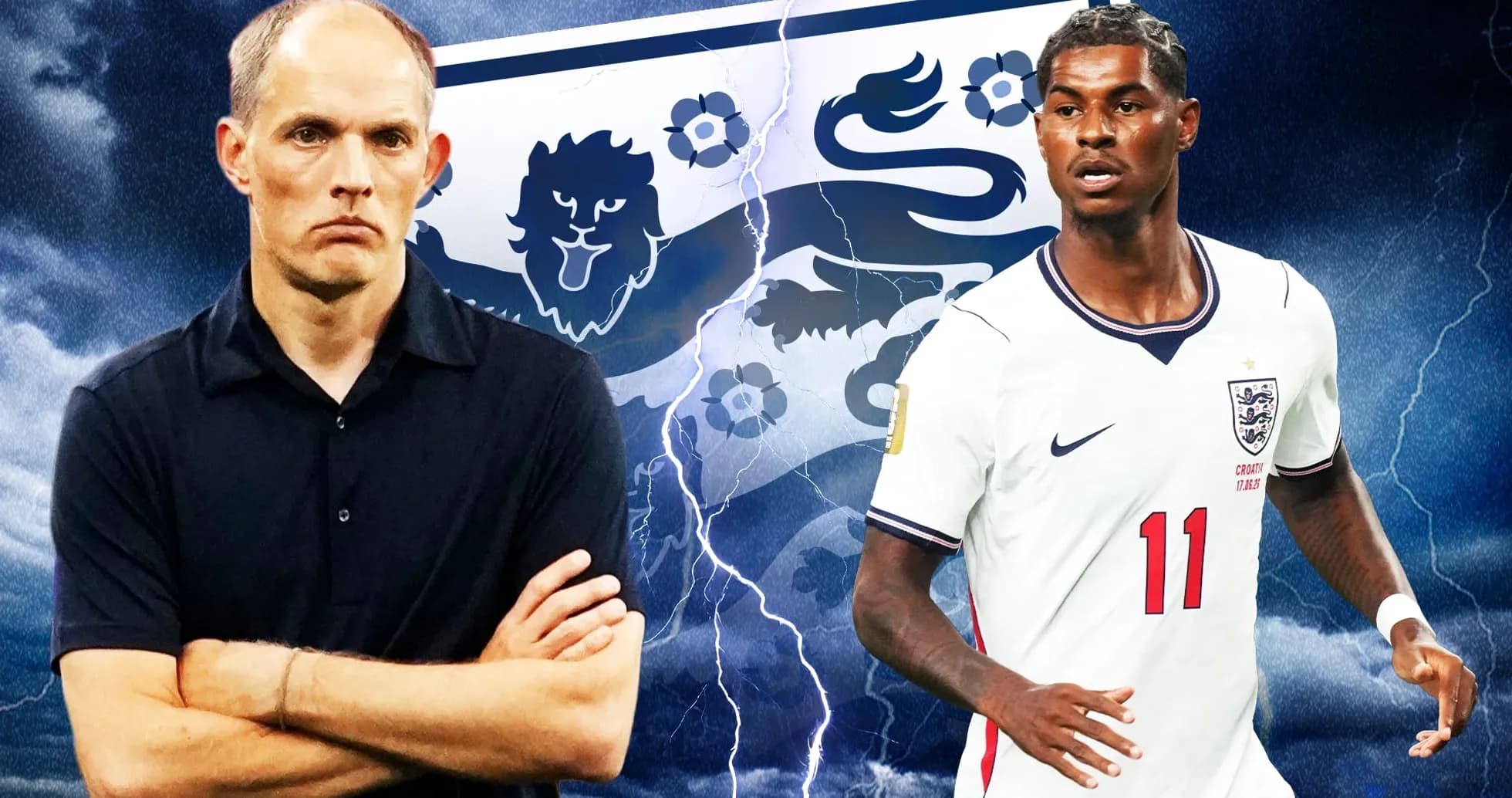
Anthony Barry will continue fronting England’s televised half-time interviews at the World Cup, despite his strikingly blunt assessment of the team’s opening 45 minutes against Croatia.
The assistant coach did not sugar-coat what he had seen in Dallas. With the game level at 2-2 and tension already thick in the stadium, Barry described England’s first-half display as “complicated and confusing”, highlighting nervous energy, poor decisions in possession and a failure to play through the lines. Thomas Tuchel’s side eventually powered to a 4-2 win, but the tone of the interval interview raised eyebrows.
Inside the England camp, though, there is no sense of alarm – quite the opposite. Tuchel is understood to appreciate Barry’s candour, and there is no suggestion his words have ruffled feathers among players or staff. The view is simple: the head coach and his squad have precious few minutes at half-time, and handing them over for live television is seen as an unnecessary distraction.
So Barry will remain the face – and voice – of England’s half-time access.
Honest voice in a new World Cup ritual
Half-time interviews have emerged as one of this World Cup’s more curious innovations. Broadcasters can request access to teams during the interval, though it is not compulsory. Some nations send the head coach, others a substitute or a member of staff, and the tone ranges from guarded clichés to tactical insight.
Barry has landed firmly in the second camp. Asked for his verdict at the break against Croatia, he laid out England’s flaws in detail.
“Overall, a complicated and confusing first half from us really,” he said, pointing to the “nervous energy early on” that, in his view, was both understandable and costly. England, he argued, chose the wrong options: going long when they should have played short, going short when space opened up in behind, and crucially failing to exploit the gaps that would have allowed them to “accelerate” the game.
The penalty, he suggested, should have settled England down. It did not. Instead, he felt the team slipped back into “fearful patterns”, even after striking again from a set-piece – a long-standing English strength – to restore their advantage.
“We get the second goal and again we’re hoping that’s the moment to free us up and move forward in the game,” he reflected. “But, OK, we concede the second goal late on and now we have to speak about that at half-time.”
For some, that level of tactical and psychological critique, delivered live on air while the contest hung in the balance, came as a shock. For England’s staff, it was simply an accurate snapshot of a first half that veered between promise and anxiety.
The arrangement suits Tuchel. The German’s reputation rests on meticulous preparation and in-game adjustment; sacrificing even a sliver of that to fulfil broadcast duties is not on the agenda. Barry, trusted and forthright, has become the bridge between dressing room and audience.
Rashford fitness under scrutiny before Ghana
Away from the cameras, England’s medical team are monitoring Marcus Rashford ahead of Tuesday’s meeting with Ghana, after the forward reported muscle discomfort following the win over Croatia.
Rashford came off the bench in Dallas and added the fourth goal, underlining his value as a game-changing option. He later felt soreness, prompting checks from the medical staff. The early noise around camp is cautiously upbeat: there is optimism that the issue will not rule him out of contention for the Ghana fixture.
England will not take risks lightly with a player whose pace and finishing sharpen their attack, particularly in a tournament where games come in quick succession. But if Barry’s words at half-time against Croatia revealed anything, it is that this set-up is comfortable confronting problems head-on – whether on a television gantry or in the treatment room.