.svg&w=384&q=75 "naujapitch logo")
USL League One Cup: Lexington Triumphs Over Detroit City in Penalty Shootout
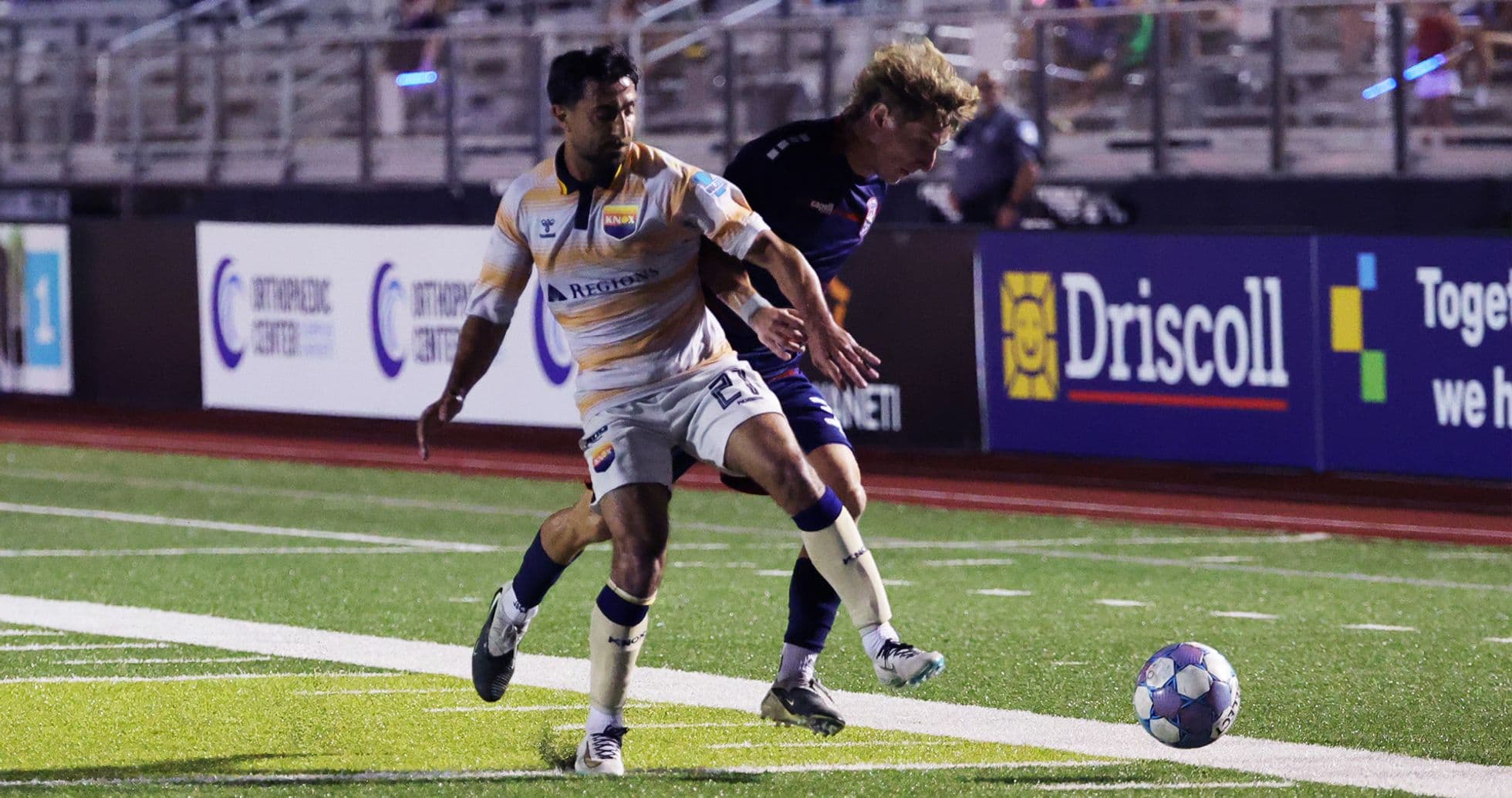
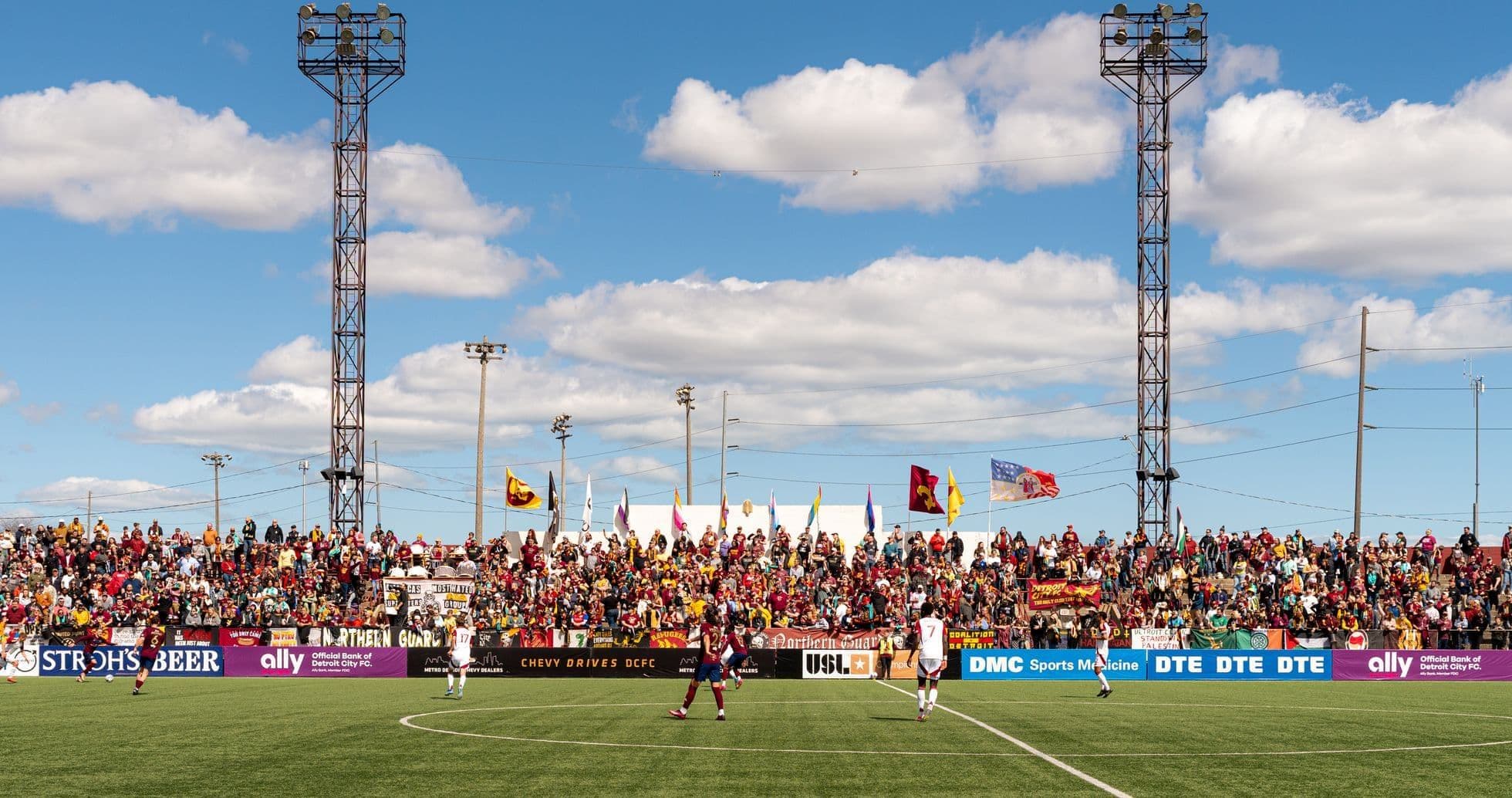
Keyworth Stadium under the lights, a group-stage tie in the USL League One Cup that refused to resolve itself in 120 minutes, and a penalty shootout that tilted toward the visitors. Following this result, Detroit City’s 1-1 draw turning into a 3-1 defeat on penalties to Lexington felt like a snapshot of where both squads stand in this fledgling cup campaign: one still searching for balance, the other riding a wave of early momentum.
I. The Big Picture – contrasting trajectories in Group 4
In Group 4, the standings data paints Detroit City as a side caught between promise and vulnerability. Heading into this game, they had played 2 matches overall, with 1 win and 1 loss, scoring 2 and conceding 2 in total. Their goal difference overall was 0, and their form line “WL” hinted at inconsistency. At home, they had played 1, lost 1, scored 1 and conceded 2; on their travels, they had been more assured, with 1 away win, 1 away goal scored and none conceded.
Lexington arrived with the swagger of a team that had embraced the chaos of cup football. Heading into this game, they had played 2 matches overall, winning both, scoring 6 and conceding 3 in total, for a goal difference of 3. At home they had played 1, scored 4 and conceded 2; away they had played 1, scored 2 and conceded 1. Their “WW” form underlined a side comfortable trading punches and trusting their attack to outgun opponents.
The 1-1 scoreline in regulation and extra time, followed by a 3-1 penalty triumph, therefore feels like a continuation of Lexington’s early-season DNA: high-output, imperfect defensively, but mentally strong in decisive moments. For Detroit, it is a further reminder that their home form lags behind their away resilience.
II. Tactical Voids and Discipline – where the edges were lost
There is no explicit injury or absentee list, so the tactical voids here are more structural than personnel-based. Detroit City’s lineup under Danny Dichio leaned on experience at the back with C. Herrera in goal and a defensive core of H. Yamazaki, D. Amoo-Mensah, C. Montgomery and T. Silva. In front of them, K. Hernandez-Foster and R. Williams were asked to give Detroit some control in midfield, while Rafa Mentzingen, A. Dalou, A. Diouf and D. Smith provided the attacking thrust.
Lexington, under Masaki Hemmi, mirrored Detroit’s balance with O. Semmle in goal and a back line including X. Zengue, K. Burks, A. Ordonez and J. Hafferty. The midfield axis of B. Ferri and A. Molloy, with A. Midence and Nick Firmino as advanced outlets, supported a front line featuring M. Epps and T. Scott.
Discipline has been a quiet but significant subplot in both sides’ seasons. Detroit’s yellow-card distribution heading into this tie showed a worrying spike immediately after half-time: 3 yellows between 46-60 minutes, representing 50.00% of their total cautions, with additional bookings in the 31-45, 61-75 and 76-90 ranges. That pattern suggests a team that can lose emotional control when games become stretched after the break.
Lexington, by contrast, spread their cautions more evenly: 1 yellow in 0-15 (14.29%), 1 in 16-30 (14.29%), then 2 in 31-45 (28.57%), 2 in 46-60 (28.57%) and 1 in 76-90 (14.29%). They are combative, especially either side of half-time, but not concentrated in one meltdown window. Across the season snapshot, neither side had seen a red card.
In a knockout-style environment where this match went to penalties, that mental profile matters. Lexington’s ability to maintain a consistent, if aggressive, edge contrasts with Detroit’s tendency to spike in the early second half, often when tactical tweaks and transitions are most intense.
III. Key Matchups – Hunter vs Shield, and the Engine Room
With no top scorers table available, the “Hunter vs Shield” lens must focus on collective profiles rather than an individual marksman. Heading into this game, Lexington’s attack had been prolific: 6 goals in total, with an average of 4.0 at home and 2.0 away. Detroit, by comparison, had scored 2 in total, averaging 1.0 at home and 1.0 away.
That meant Lexington’s forward line of M. Epps and T. Scott, backed by the creative pair of A. Midence and Nick Firmino, came in as the “hunters” – a unit that had already delivered a 4-2 home win and a 2-1 away win. Detroit’s “shield” was a defense that had looked far more secure away than at Keyworth: 2 goals conceded at home, none away.
In this match, the duel between K. Burks and A. Ordonez at the heart of Lexington’s defense and the movement of D. Smith and A. Diouf was central. Burks and Ordonez had to manage diagonal runs, hold a high line when Lexington pushed their full-backs, and still be composed enough to protect O. Semmle in the inevitable spells of Detroit pressure.
The “Engine Room” was equally compelling. Detroit’s R. Williams and K. Hernandez-Foster, with Rafa Mentzingen drifting between lines, had to find ways to disrupt the control of A. Molloy and B. Ferri. Lexington’s midfield, which had underpinned a total average of 3.0 goals scored per game heading into this fixture, thrives on second balls and quick vertical passes. If Detroit’s midfield screen is even slightly late, Lexington’s front four can flood the half-spaces.
On the flip side, Molloy and Ferri had to manage transitions when Detroit won possession. With Detroit failing to keep a clean sheet at home heading into this game and averaging 2.0 goals against at Keyworth, the responsibility for compactness in front of Lexington’s back line was huge.
IV. Statistical Prognosis – what this shootout tells us going forward
The penalty shootout itself, ending 3-1 in Lexington’s favor, aligns with the broader statistical narrative. Both teams had no penalties awarded in total this campaign, with 0 scored and 0 missed, so this shootout was their first real test from the spot. Lexington’s conversion under pressure speaks to a group already accustomed to high-scoring, high-stakes environments; Detroit’s lone successful penalty underlines the need for more composure in decisive moments.
From an Expected Goals lens – even without explicit xG numbers – the trends are clear. Lexington, averaging 3.0 goals for and 1.5 goals against in total, is a side whose matches naturally drift toward high xG totals at both ends. Detroit’s more modest 1.0 goals for and 1.0 goals against in total suggest a lower-event profile, but their home concession rate of 2.0 hints at defensive fragility in front of their own crowd.
Following this result, the prognosis is that Lexington will continue to lean into their attacking identity, trusting the likes of M. Epps, T. Scott, A. Midence and Nick Firmino to generate enough chances to offset defensive leaks. Their balanced but assertive card profile supports a front-foot style that can survive the turbulence of cup football.
Detroit City, meanwhile, must reconcile the split between their away solidity and home vulnerability. The spine of C. Herrera, D. Amoo-Mensah, C. Montgomery and T. Silva has shown it can keep clean sheets on their travels, but the data suggests that emotional spikes after half-time and an inability to control tempo at Keyworth are costing them. Harnessing the creativity of Rafa Mentzingen and the running of D. Smith and A. Diouf will be vital, but without a calmer, more disciplined second-half profile, future tight ties may again slip away in the margins – or, as here, from twelve yards.