.svg&w=384&q=75 "naujapitch logo")
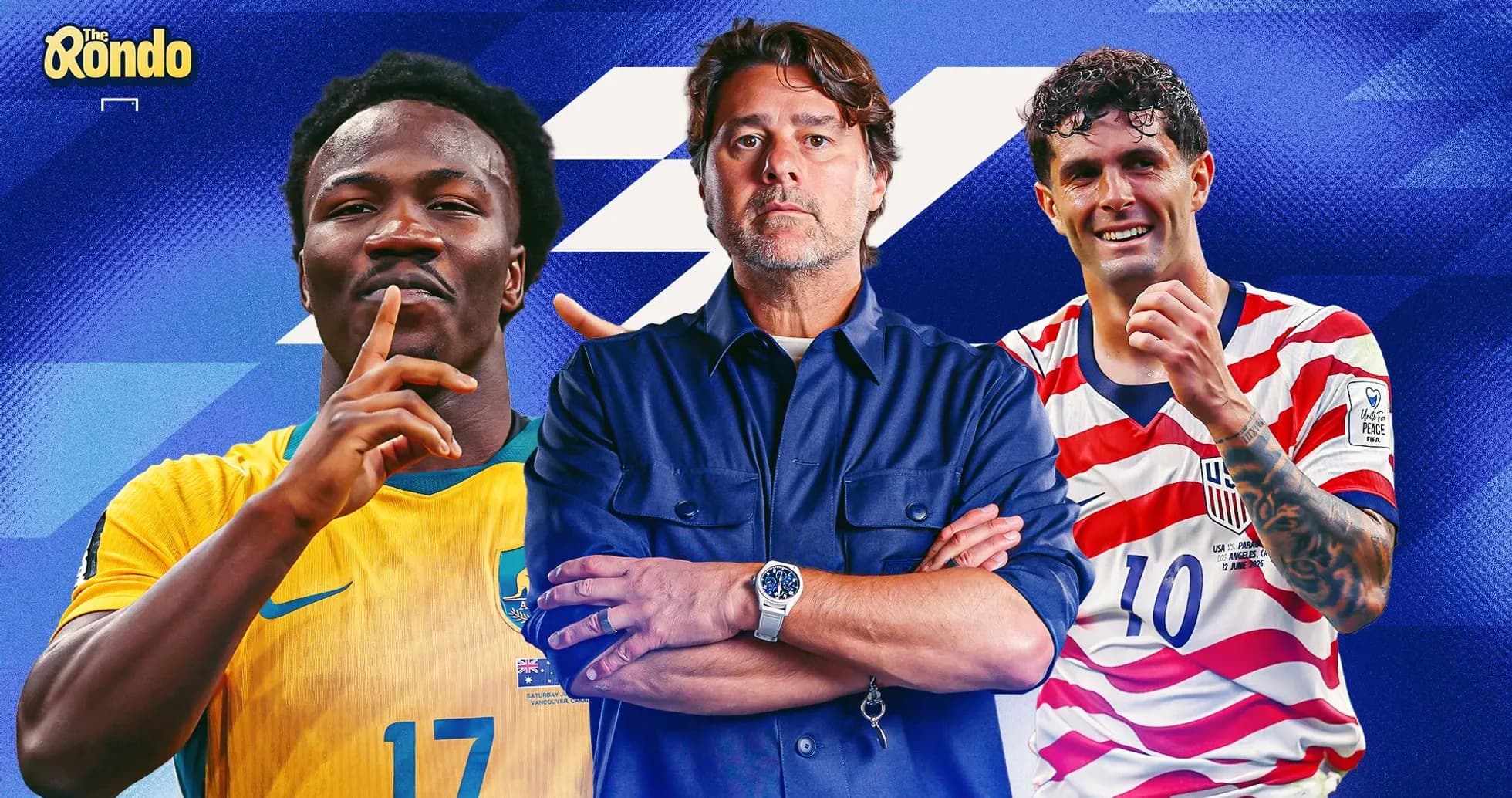
U.S. Team Faces Pressure Against Australia
The United States walk into this one as clear favourites. Everyone knows it. The question is whether they handle that weight or let an awkward, stubborn Australia drag them into something far messier than it needs to be.
They were ruthless against Paraguay, a performance that looked and felt like a statement from a team beginning to believe its own ceiling might be higher than the usual quarterfinal chatter. Replicate that tempo, that aggression, that clarity in the final third, and this should be straightforward. On paper.
But the build-up hasn’t been quiet. There’s been a bit of edge in the pre-game noise, a hint of needle between a confident U.S. group and an Australia side that doesn’t mind a scrap. This won’t be a training exercise. It will be physical, tight, and decided by players who can flip a game in one moment.
Right now, the U.S. simply have more of those.
A favourite with a flaw
The one cloud over the American camp is a big one: Christian Pulisic.
Strip everything else away and the reality is blunt. When Pulisic doesn’t play, this is a different team. He drives everything – tempo, belief, the courage to take on a defender when the game feels stuck. His opening goal contribution against Paraguay underlined that again: one burst, one defender beaten, and suddenly the door was open.
So what does Mauricio Pochettino do? Risk him, chase the win, and then try to protect him later? Or sit him, trust the depth, and hope the group doesn’t suddenly look complicated?
It’s a brutal call. From the U.S. perspective, the ideal is obvious: get him on the pitch, get the job done early, then wrap him in metaphorical cotton wool for as long as possible. But if he can’t go, someone else has to take on the uncomfortable work of making Australia’s back five feel exposed.
Because they will sit in. They will defend deep. And they will wait.
Australia’s wild card
This is a curious Australia generation. There isn’t the usual cluster of Premier League regulars that once made the Socceroos easy to map from a European lens. That doesn’t mean they’re harmless.
Nestory Irankunda is the name that keeps coming up. A livewire on the left, all raw pace and direct running, he is exactly the kind of winger who can turn a composed back line into a panicked one in a single sprint. He already showed his game-breaking quality against Turkey. Give him grass to run into and he will test every inch of this U.S. defense.
That’s the danger zone for the Americans. This back line has been sloppy at times in recent months. It can be beaten by speed. If Irankunda ends up in a straight race with Tim Ream, there is only one winner. Chris Richards is coming off an ankle issue, the fullbacks love to bomb on, and any turnover with numbers high could turn into a runway for the Australian winger.
And if the game tightens, if the U.S. dominance doesn’t translate into goals, Mathew Ryan looms large. The veteran goalkeeper has seen all of this before in Europe. He’s been confident all week about Australia’s chances, and he’s the type who can turn a siege into a smash-and-grab. Matt Freese barely had to make a meaningful save against Paraguay. That won’t be the case if this becomes a one-chance-either-way kind of night.
Who carries the U.S.?
For the U.S., this match feels like an exam for the supporting cast.
If Pulisic starts, he’s the obvious focal point. But even then, others have to sharpen up. Malik Tillman, in particular, sits right at the heart of this conversation. His off-ball work against Paraguay was outstanding – pressing, covering lanes, knitting together phases – yet when the ball reached his feet in advanced areas, he left a bit on the table.
Pochettino may have stumbled onto something with him as a No. 8 rather than a classic No. 10. Deeper, facing the play, he can surge through lines rather than waiting between them. If he adds a goal or an assist to that engine, he suddenly looks like a tournament-changing piece, not just a tidy cog.
Then there’s Folarin Balogun. Paraguay left space. Australia won’t. This is where a centre-forward earns his reputation. If Pulisic is limited or absent, Balogun becomes the man who has to shoulder the attacking responsibility, either by finishing half-chances or by linking play so well that others arrive in scoring positions. He can’t drift. He has to dictate.
This is the kind of game where one touch in the box, one clever layoff, one snap shot can define the night.
Stakes beyond the scoreline
On paper, a draw or even a defeat wouldn’t automatically sink the U.S. campaign. In a group format, three points can sometimes be enough to sneak through. But that kind of logic misses the bigger picture.
Momentum matters. Confidence matters. Control of the group matters.
Drop points here and topping the group becomes a struggle. That opens the door to a much tougher path later on, potentially even a collision with Argentina. It also feeds an old, familiar narrative around this team: promising platform, big opportunity, and then a stutter right when the next step is in reach.
For two decades, the U.S. has flirted with that breakthrough moment only to trip when the lights get brighter. This tournament feels like another chance to break that cycle, especially with the investment made in Pochettino and a squad brimming with players at strong European clubs.
Beat Australia, and the path clears. The group likely falls into place. The coach’s project gains credibility. The idea that this team can do something genuinely special starts to feel less like marketing and more like reality.
Fail to do it, and the questions return. Not just about this game, but about whether this generation can finally turn promise into something more permanent.