.svg&w=384&q=75 "naujapitch logo")
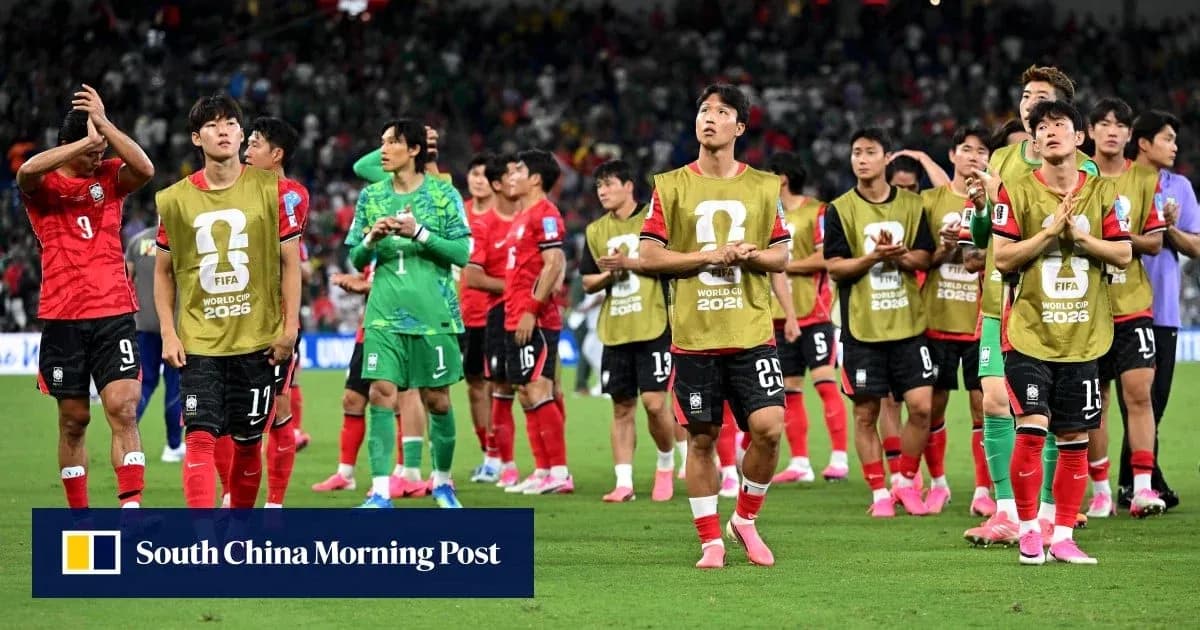
South Korea's Dispiriting Defeat and Mixed Zone Tensions
The contrast could not have been starker in Monterrey.
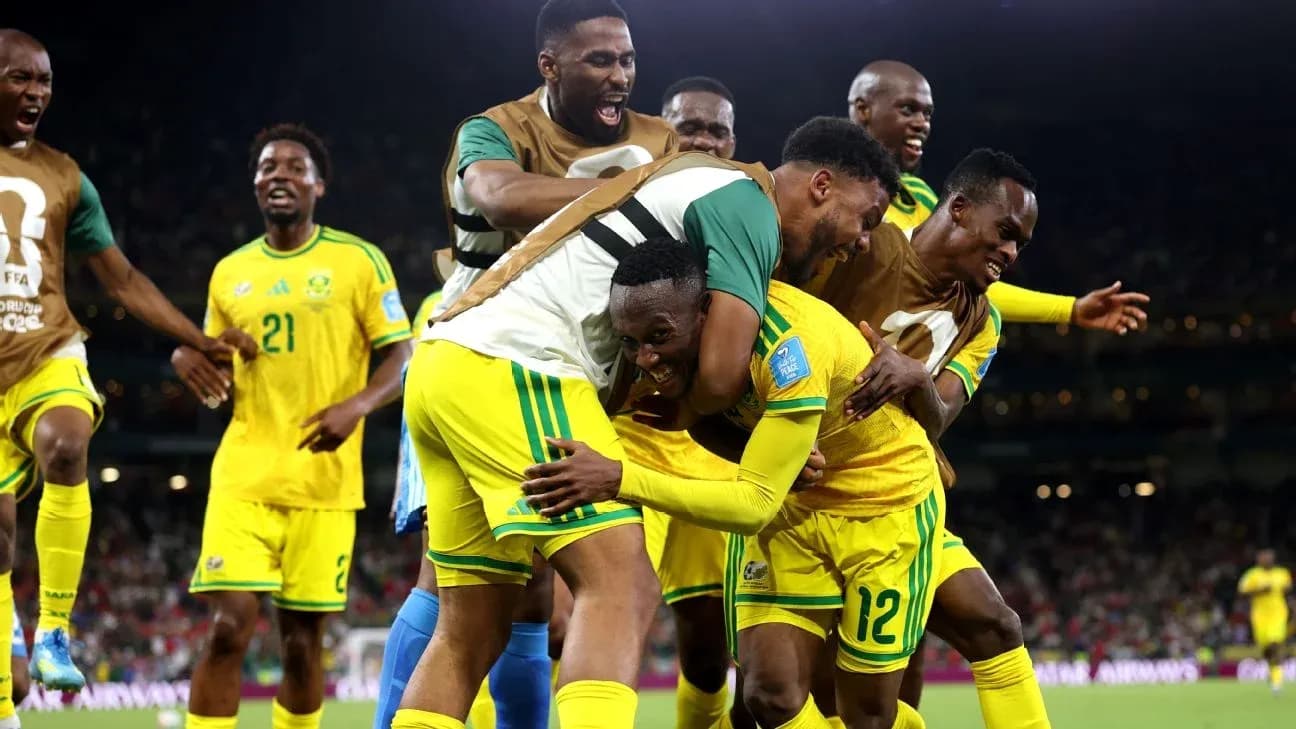
On one side of the mixed zone, South Korean players moved slowly through the glare of the cameras, shoulders sagging after a dispiriting 1-0 defeat to South Africa. On the other, their conquerors swept past in clusters, belting out songs, staff and players wrapped in unrestrained joy as their World Cup story swelled.
The two worlds collided, literally, when a member of the South African staff brushed into Hwang In-beom. Raw from the loss and in no mood for accidental contact, the midfielder snapped, telling the unwitting offender to “show some f****** respect”. For a few tense seconds, it looked like the night might spill into something uglier than a tactical post-mortem. Voices rose, bodies edged closer. Then it fizzled out, the flare of anger dying as quickly as it had sparked.
If only South Korea had found that edge when it actually mattered.
On the pitch, the team that once built its reputation on relentless intensity and collective fury played without that bite. The result was a flat performance, a single-goal defeat that cut deep not because of the margin, but because of the manner. South Africa seized their moment; South Korea never really looked like they would.
Son Heung-min, as ever, carried the burden of explanation. Chosen for doping control, the captain did not appear in the mixed zone until more than two hours after the final whistle, long after most of his teammates had trudged through. When he finally emerged, he faced the cluster of Korean reporters with the same composure he rarely loses, even when the questions cut close.
“There’s no problem with the vibe in our dressing room,” he said. He went further, insisting: “I can honestly tell you that we’ve had zero issues with our team atmosphere.”
The message was clear: do not mistake a bad night for a broken group. No fractures, no feuds, no civil war behind the scenes. Just a team underperforming on the biggest stage.
Yet the numbers are unforgiving. Three group matches. Three points. A negative goal difference. And somehow, in this swollen, expanded World Cup, the door to the knockout rounds still hasn’t slammed shut on them.
It is a quirk of the new format that a side can stumble through the group with such a modest return and still talk, with a straight face, about the possibility of progression. In another era, three points and -1 would have meant packing bags and booking early flights. Here, it might still be enough to sneak through the cracks of an overgrown tournament.
That is the indictment and the lifeline rolled into one. South Korea have not done nearly enough to impose themselves, yet they are not dead. Not quite. The competition’s bloated structure keeps them breathing.
The question now is whether that brief flash of fury in the mixed zone proves an isolated outburst, or the first sign that South Korea are finally ready to fight like a team that actually belongs in the latter stages.