.svg&w=384&q=75 "naujapitch logo")
Rafael van der Vaart Critiques Koeman's Tactical Gamble Against Morocco
Rafael van der Vaart did not bother with diplomacy. Live on Dutch broadcaster NOS, the former Real Madrid midfielder watched the Netherlands crash out and went straight for the heart of the issue: Ronald Koeman’s tactical overhaul against a Morocco side built to dominate the middle of the pitch.
The Oranje had stumbled through a tricky group, then finally started to resemble a functioning tournament team. Rhythm, confidence, a sense of direction – all there. And then, against Morocco, Koeman ripped up the script.
“You get through a difficult group stage reasonably well. Then things start clicking a bit,” Van der Vaart said, visibly exasperated. “What goes on in your head that makes you change everything against Morocco? I don't understand it one bit.”
Midfield sacrifice, midfield surrender
The focus of his anger was clear: the decision to go light in central midfield against a side whose greatest strength lies exactly there.
Van der Vaart argued that Koeman’s reshuffle left the Dutch badly outnumbered in the engine room, gifting Morocco the zone where they are most comfortable and most dangerous. The result was brutal. The Netherlands were overrun, unable to build, unable to press, unable to protect their back line.
“I think Morocco's midfield is their strongest asset. And then you decide to play against them with just two men?” he said. “I didn't study to be a manager, but that seems a bit clumsy to me.”
The pressure finally told as the Dutch spine caved in. Morocco dictated tempo, moved the ball through the thirds with ease and forced the Netherlands into long, hopeful phases without possession. The tactical gamble backfired, and it did so exactly where Van der Vaart – and many others – expected it might.
Frenkie de Jong left stranded
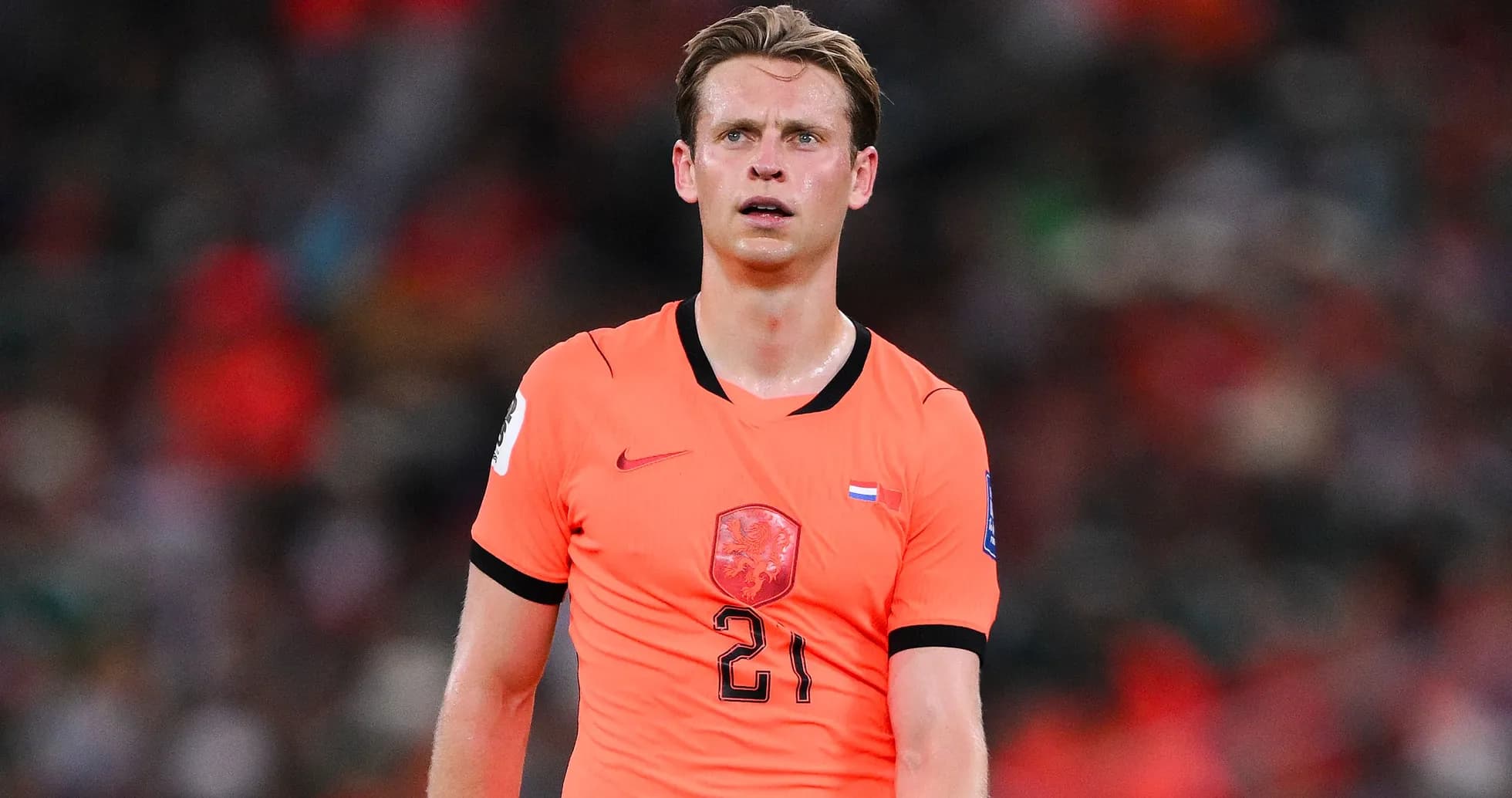
No player embodied the failure of the plan more starkly than Frenkie de Jong.
Van der Vaart did not spare him. “Frenkie played the absolute worst game I’ve ever seen from him today. Truly disappointing. But is that because of the system?” he asked, turning the criticism back toward the bench as much as the player.
For Van der Vaart, De Jong was not just poor; he was abandoned. A playmaker who thrives with the ball at his feet spent the night chasing shadows.
“Frenkie is only effective when you have the ball, but we didn't have the ball at all today, so Frenkie was completely invisible. And he is supposed to be our main man...” Van der Vaart said.
Starved of service, De Jong never imposed himself, never controlled a phase, never stitched together the passing sequences that usually define his game. Eventually, after 110 draining minutes, he made way for Marten de Roon – a substitution that felt more like a mercy than a solution.
Gakpo scores, but impact blunted
Even the goalscorer did not escape the wider tactical indictment. Cody Gakpo found the net, yet Van der Vaart pointed out how little influence he had across the contest.
“Cody Gakpo scored the goal, but of course, he was barely involved either,” he noted.
It summed up the Dutch night. Isolated forwards, a disconnected midfield, defenders exposed. The structure that was meant to neutralise Morocco instead neutered the Netherlands’ own attacking threats.
Tournament fallout and a looming reset
As Morocco move on with momentum and clarity – preparing for a last-16 tie against Canada in Houston – the Dutch fly home to questions, not answers.
The squad, already under scrutiny, now faces an unforgiving internal review. Koeman’s tactical direction sits at the centre of the storm, but the problems run deeper: key figures underperforming, an ageing core laid bare, a team that looked tired when the tournament demanded freshness.
Significant personnel changes now feel less like an option and more like a necessity before the next international cycle. The system has been questioned, the stars have been criticised, and the aura has taken a hit.
The real test for Koeman starts here: does he double down on his vision, or accept that this night against Morocco has drawn a hard line under an era that can’t go on as it is?