.svg&w=384&q=75 "naujapitch logo")
Nobby Stiles’ Death Examined in Inquest After CTE Finding
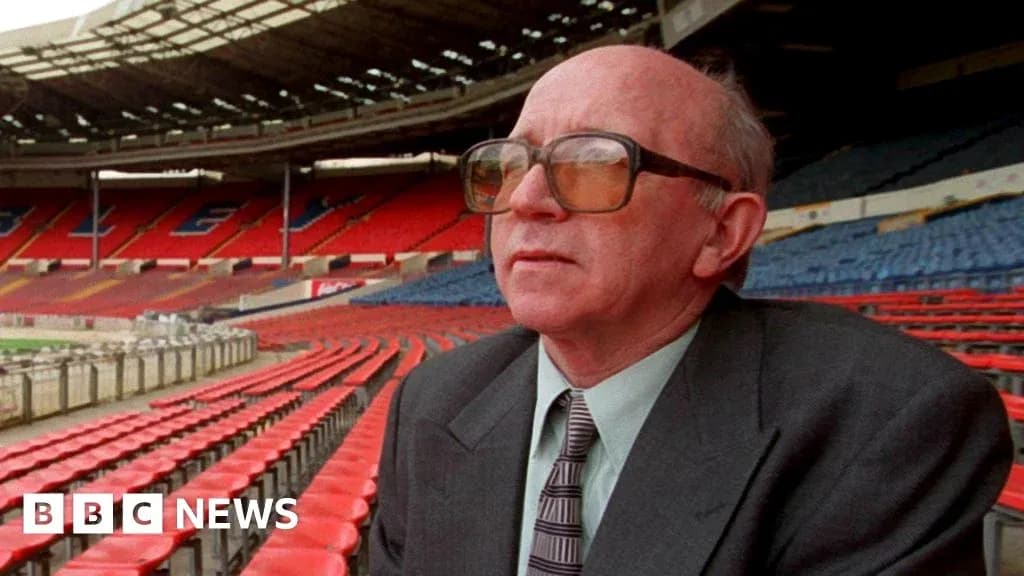
Nobby Stiles was the face of a different football age. Toothless grin, socks rolled down, a World Cup winner who threw his head and body into danger without a second thought. Now, four years after his death, the consequences of that courage are set to be examined in a coroner’s court.
A hearing in Stockport has been told that Stiles, who died in 2020 aged 78, was suffering from chronic traumatic encephalopathy (CTE) – the degenerative brain disease increasingly linked with repeated head impacts – and a traumatic brain injury at the time of his death. On that basis, a full inquest has been ordered.
Chris Morris, area coroner for Greater Manchester South, confirmed that a neuropathology expert who reviewed Stiles’ medical records had identified high-stage CTE along with “stage three limbic predominant age related TDP-43” and small vessel cerebrovascular disease. The combination, he said, contributed to the former England midfielder’s death.
That medical conclusion has pushed Stiles’ case back into the spotlight and into the legal system.
“For reasons not entirely clear to me,” Morris told Stockport coroner’s court, Stiles’ death had not been reported to the coroner’s office at the time. The investigation only began after his family came forward with information, prompting the review that has now led to Wednesday’s full inquest.
Stiles’ story is well known. Norbert “Nobby” Stiles, born in Manchester in 1942, grew up in the shadow of Old Trafford and became part of its legend. A ferocious, combative defensive midfielder, he played nearly 400 times for Manchester United and won 28 caps for England, anchoring Alf Ramsey’s midfield in the 1966 World Cup triumph.
The image of him dancing on the Wembley turf with the Jules Rimet trophy in one hand and Bobby Moore’s shirt in the other is one of English football’s defining photographs. The cost of those years is now being counted.
His family has long argued that football’s authorities failed to protect his generation and have failed again in caring for them after retirement. They say the damage came from years of heading heavy balls in training and in matches, and from a culture that treated concussion as something to be shaken off.
The pressure from families like the Stileses has grown into a wider movement. John Stiles, Nobby’s son, now leads Football Families for Justice (FFJ), a group pressing the game’s governing bodies to accept responsibility and provide meaningful support for ex-players living with neurodegenerative conditions.
He is one of dozens of former professionals and relatives involved in legal action against the Football Association, the Football Association of Wales and the English Football League. The claimants argue that the organisations were “negligent and in breach of their duty of care”, alleging that authorities either knew, or should have known, for decades that repeated heading and concussive blows carried a serious risk of long-term brain injury.
Lawyers representing the families have pointed to historic research and medical warnings, arguing that football’s leaders ignored or downplayed the science while generations of players continued to put their heads in harm’s way.
The governing bodies dispute that picture. In March, lawyers for The Football Association told the High Court that “it has not been established by science” that heading a ball or “occasional” concussion leads to permanent brain damage. That stance underlines the chasm between grieving families and those who run the game.
Recent inquests have added weight to the families’ concerns. In January, a coroner examining the death of Gordon McQueen, the former Scotland, Manchester United and Leeds United defender, concluded that heading the ball was “likely” to have contributed to a brain injury which played a part in his death at 70.
Stiles’ case now joins that growing body of evidence and legal scrutiny. The full inquest, to be heard on Wednesday at Stockport, will not rewrite his career or change what he meant to England and Manchester United. It will, however, probe what killed him – and what the sport knew, and did, as men like him kept heading the ball.