.svg&w=384&q=75 "naujapitch logo")
Neymar's Return: Brazil vs Japan World Cup Clash
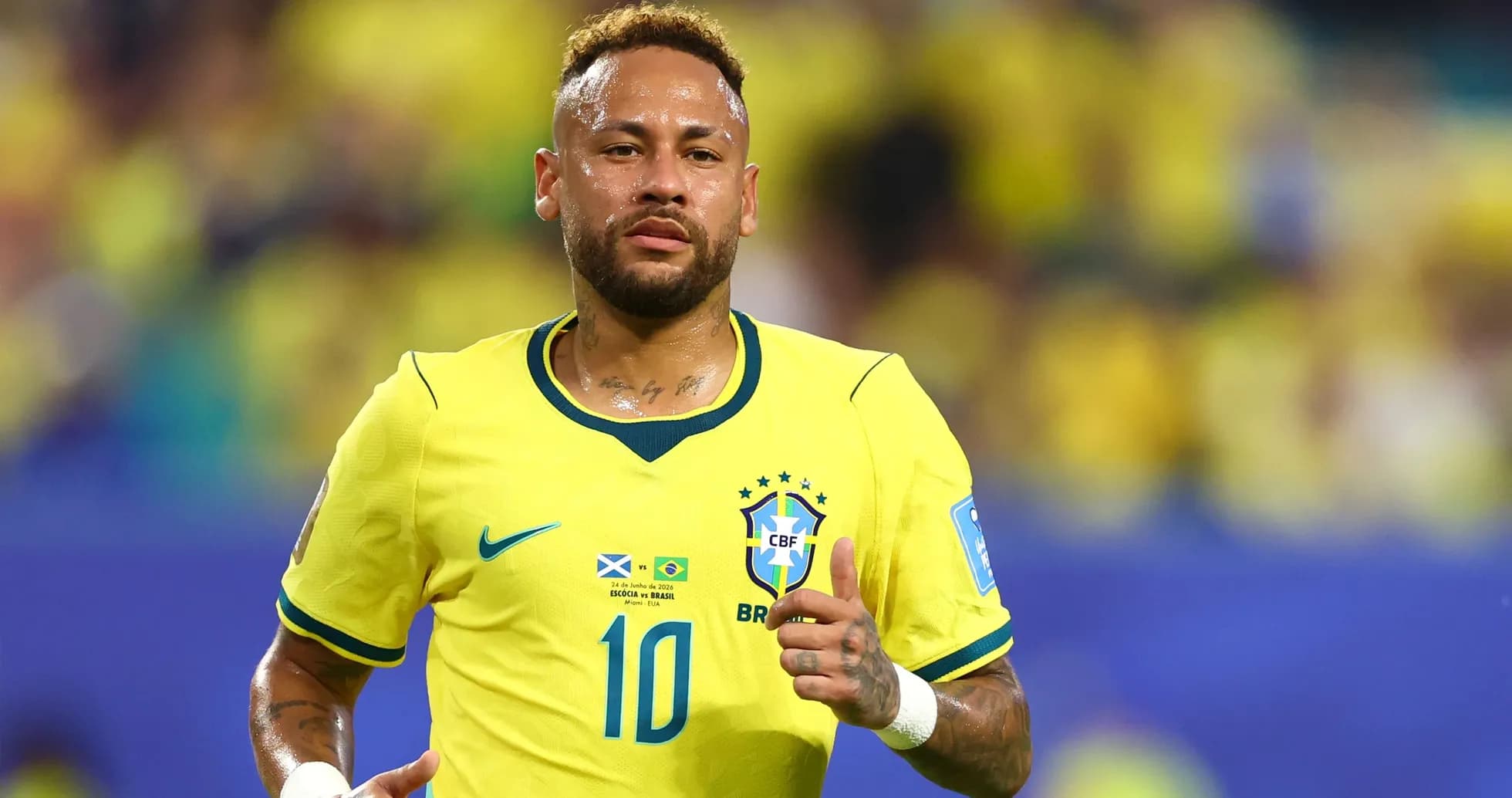
Neymar’s long road back to the World Cup spotlight has felt like a saga. Torn knee ligaments in October 2023, a calf problem that wiped him out of Brazil’s opening games against Morocco and Haiti, and a three-year exile from the national team finally snapped only days ago.
He returned in a flicker rather than a blaze – a brief cameo in Brazil’s final group-stage win over Scotland – but that was enough. One touch, one sprint, one feint, and the noise around him roared back to life. The country immediately started dreaming of Neymar from the start in the knockouts.
Carlo Ancelotti is not dreaming. He is calculating.
Ancelotti pulls on the handbrake
As Brazil prepare for their round of 32 meeting with Japan on Monday, Ancelotti is determined to keep a lid on the frenzy. Neymar is back, but he is not yet Brazil’s 90‑minute solution.
“Neymar has progressed very well. I think he improved a lot last week,” Ancelotti told reporters, before offering the reality check. “It’s a shame he couldn’t train the whole time he was with us. He can play more than 15 minutes. He’s in good shape. But it depends a lot on the game context and how things develop.”
That last line matters. Brazil’s most gifted attacker is ready to influence a match, not yet to carry it. Ancelotti knows the temptation: a knockout tie, a fit-again superstar, the emotional pull of a nation. He also knows what happens when you rush a fragile body into a high‑intensity tournament.
So the Italian is keeping his options open. If Brazil control the game early, Neymar may be the closer. If they chase it, he might become the emergency plan. Either way, the idea of him quietly easing into this World Cup has already vanished. His very presence changes the temperature.
Japan’s warning shot
As if the occasion needed more edge, Japan’s Kento Shiogai lit a small fuse in the build-up. The 21-year-old Wolfsburg forward, who has seen only six minutes of action at this tournament, hinted that Brazil may no longer be the untouchable force they once were.
It was a young player’s jab at a giant, but it landed just enough to be noticed. Comments like that travel quickly in a World Cup camp.
Ancelotti refused to bite.
“I won’t repeat what others say. We’re focused on the match, on the opponent’s qualities, on preparing well to avoid problems,” he said. “That’s what match preparation is about. We’re not doing what they call in England ‘mind games.’ How do you say it in Portuguese? Mind games. We’re not going there.”
No bulletin-board theatrics, no retaliatory soundbites. Ancelotti has seen too many tournaments to get dragged into a war of words with a 21-year-old striker. He knows the real danger lies not in what Japan say, but in what they have already done.
A dangerous underdog
On paper, Brazil are favourites. On form, Japan are a threat nobody can afford to treat lightly.
The Samurai Blue arrive on a 10‑game unbeaten run, and the list of victims is not the usual run of minnows. There was a 3-2 victory over Brazil in Tokyo, a result that still stings in Ancelotti’s memory, and a win against England at Wembley that underlined their growing authority on the big stage.
That friendly in Tokyo last October sits like a warning label on this tie. Brazil led in the first half, looked comfortable, then watched Japan turn the match on its head after the break. The turnaround was not a fluke; it was a team with structure, belief and speed punishing lapses in concentration.
Japan’s group-stage campaign only reinforced that picture. They finished second in Group F, opening with a 2-2 draw against the Netherlands, then dismantling Tunisia 4-0, before grinding out a 1-1 stalemate with Sweden. Three different tests, none failed.
This is not a side that gets overawed by reputations or stadiums. It is a side that smells vulnerability and runs at it.
Brazil’s balancing act
So Brazil walk into this tie with a familiar weight on their shoulders and a more complicated reality at their feet. They have the talent, the history, the expectation. They also have a superstar still working his way back to full power and an opponent that has already proved it can hurt them.
Ancelotti’s challenge is to strike the balance. How long can he hold Neymar back? How long can he afford to? Every minute on the bench protects the forward’s body; every minute on the pitch raises Brazil’s ceiling.
Japan, meanwhile, will remember Tokyo and Wembley, not as one-offs, but as evidence that they belong on this stage. They have already shown they can flip a game against Brazil once.
Now the question is simple: can they do it again, when it matters most?