.svg&w=384&q=75 "naujapitch logo")
Neymar Retires: A Heartbreaking End to Brazil's World Cup Journey
At MetLife Stadium, where his Brazil story began, Neymar’s international career came to an abrupt, aching end.
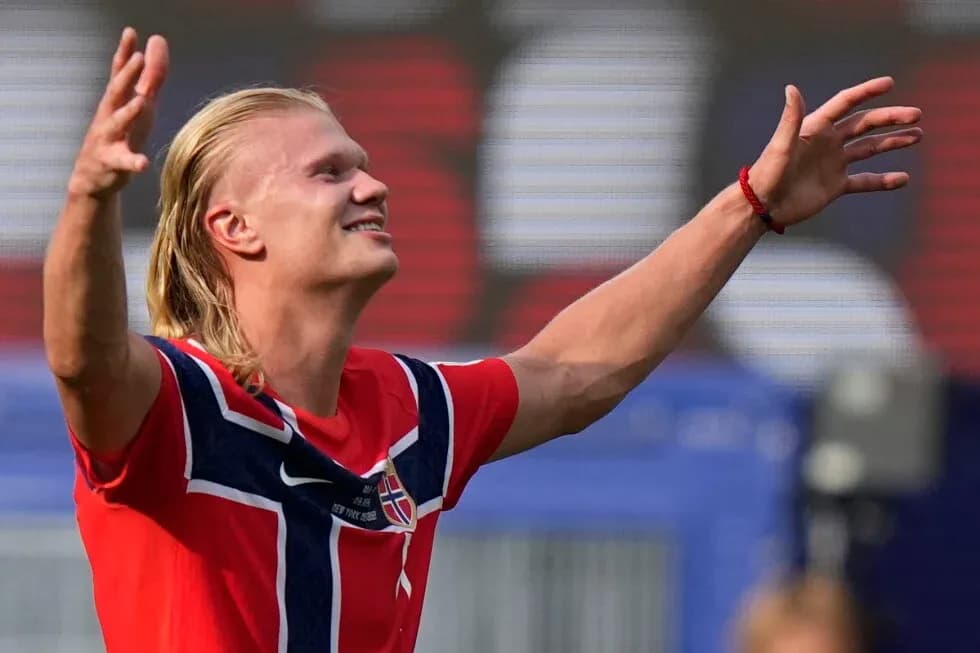
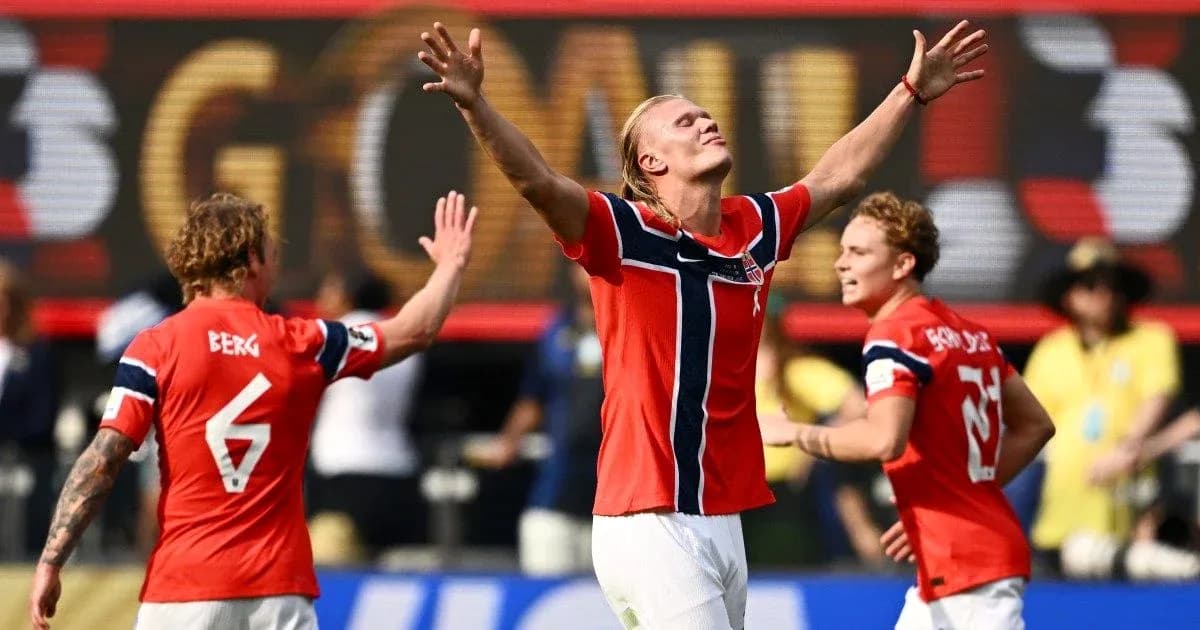
On Sunday, under the New Jersey lights, the 34-year-old forward announced he is retiring from the national team after Brazil’s shock World Cup round-of-16 defeat to Norway. A late penalty from Neymar could not rescue Brazil, beaten 2-1 by two ruthless Erling Haaland strikes in their earliest World Cup exit since 1990.
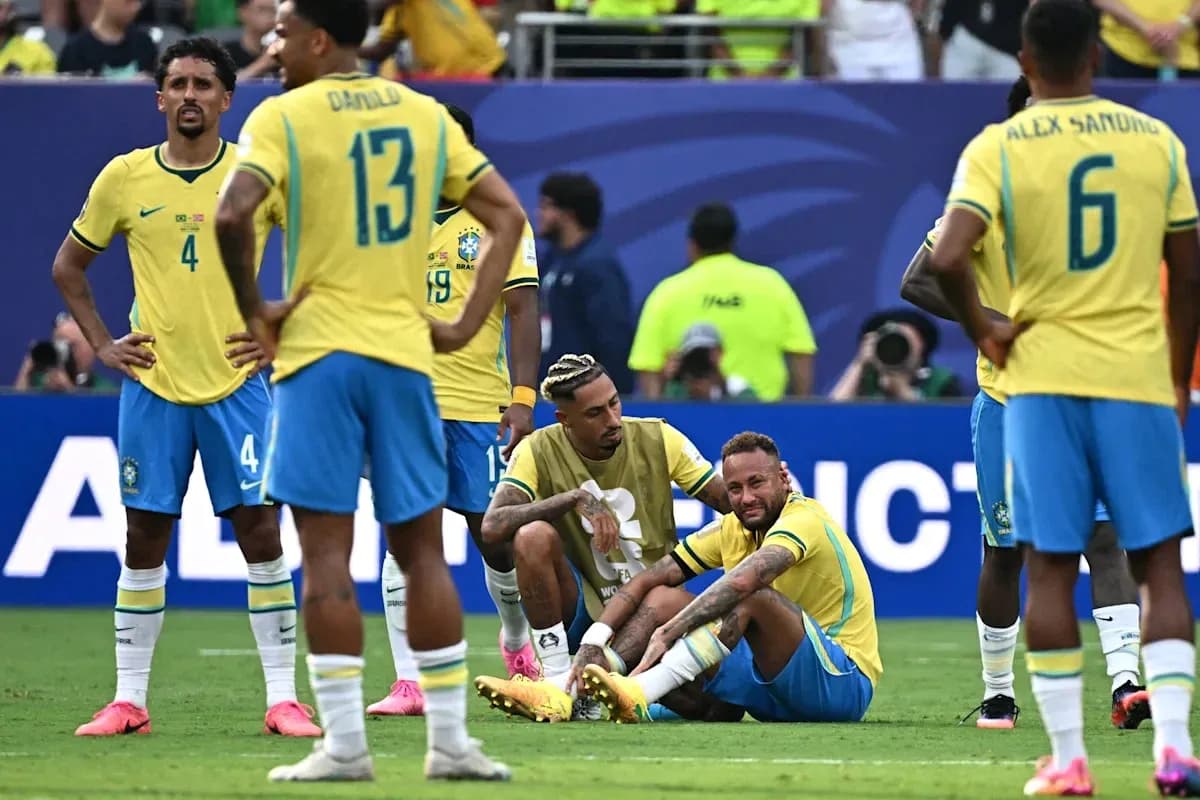
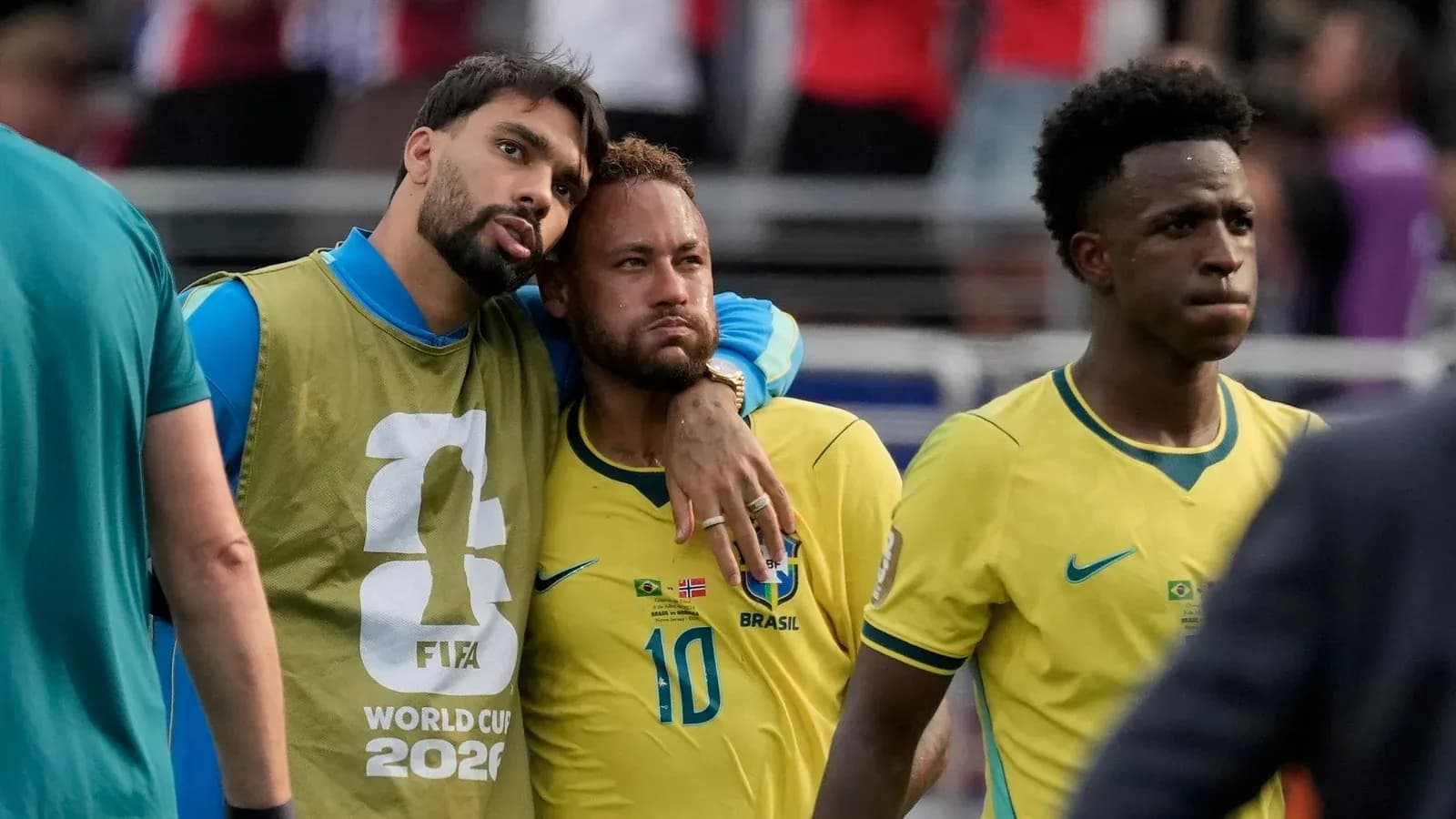
The final whistle brought him to his knees. Neymar slumped onto the turf in tears, shoulders heaving, before teammates moved in to lift him from the grass he has so often lit up. This time, there was no trademark grin, no dance, no defiant swagger. Just the weight of a generation on his back.
“I tried, I tried. Now it’s over,” he told Globo. “I started here, I finished here.”
The symmetry is brutal. Neymar made his Brazil debut at this very stadium in August 2010, scoring his first international goal in a friendly against the United States. Sixteen years later, on the same pitch, he walked away from the yellow shirt for the last time.
His final act in green and gold was familiar: a nerveless penalty in stoppage time, stroked home to give Brazil faint hope. It also carved his name even deeper into the national record books. That goal made him just the second Brazilian man, alongside Pelé, to score in four separate World Cups.
The numbers are staggering. Neymar bows out as Brazil’s all-time leading scorer with 80 goals, three clear of Pelé. Only Cafu, with 142, has played more times for the Seleção than Neymar’s 130 appearances. For more than a decade, every major Brazil campaign carried his imprint, and often his injuries too.
Those injuries have shaped the latter years of his career. Repeated setbacks have chipped away at his explosiveness and, at times, his availability. Yet when he pulled on the Brazil shirt, he remained the team’s reference point, the man expected to decide tournaments and carry the burden of a football-obsessed nation.
This World Cup was supposed to be one last tilt at the trophy that has always eluded him. Instead, it ends with Brazil out in the last 16 and Neymar choosing to close the book.
In the aftermath of the defeat, coach Carlo Ancelotti spoke of pain, but also of what comes next.
“What I say is that we continue to do our jobs and look for new ideas,” Ancelotti said. “It is a very disappointing result and all of us are really saddened.
“But this was a great group and I have to thank my players, they worked really hard. I don’t think we deserved to lose, but we have to accept it. That is football for you, that is sports. Sometimes you have to manage the sadness and bitter taste of a defeat.
“I am very used to that, but we are going to take this defeat and use it as fuel for the new cycle. Everyone is profoundly sad, as the fans are. This is normal to have those feelings, but what we have to do is react correctly.”
A “new cycle” now has to begin without the player around whom Brazil have been built for so long. His departure leaves more than a gap on the team sheet; it tears out a central storyline of modern Brazilian football.
For years, every dribble, every free kick, every grimace after a tackle carried the sense that Neymar was either about to deliver something magical or absorb another blow. He was the lightning rod for adoration and criticism alike, a superstar whose talent was never in doubt, whose legacy will be argued over for years.
What is not in dispute is his place in Brazil’s history. Top scorer. Four World Cups. Sixteen years from teenage prodigy to tearful veteran on the same patch of American grass.
The night belonged to Norway and Haaland on the scoreboard. The moment, though, belonged to Neymar — walking slowly away from MetLife Stadium, leaving behind the shirt he made his own and a question Brazil must now answer: who carries the dream from here?