.svg&w=384&q=75 "naujapitch logo")
Memorable Moments from the World Cup: Messi's Legacy and Breakout Stars
Lionel Messi bent the World Cup to his will one last time. Yet this tournament in the United States will be remembered for far more than the 39-year-old’s enduring genius. It became a sprawling epic of late drama, breakout stars, shattered giants and fanbases that turned American cities into borrowed homes.
And everywhere you looked, someone was either smashing a ball into the top corner or somehow clawing it away.
Goals that stopped time
The World Cup’s defining image may still be Messi’s opener against Cape Verde. A difficult pass arrives at awkward height and pace. He cushions it on the run with the sort of touch that makes professionals shake their heads, then, with barely a pocket of space to work in, lifts his second touch into the top corner. No backlift, no fuss. Just technique at its purest.
Cape Verde refused to play the part of grateful guests. Deep into extra time, with Argentina edging towards survival, Sidny Cabral stepped in from the edge of the area and bent a right-foot shot that screamed beyond Emiliano Martinez and into the top corner. The clock read 103 minutes. The stadium dissolved into disbelief. Argentina would still edge it 3-2, but Cabral’s equaliser entered World Cup folklore on impact.
The group stage had its own solo masterpiece. Bosnia-Herzegovina’s Kerim Alajbegovic picked up the ball against Qatar and simply went to work – a slaloming run, defenders scattered, then a rising right-foot drive that belonged on a showreel.
Erling Haaland, operating as if this tournament were his personal introduction to America, delivered his own brutal clarity. Against Brazil in the last 16, what looked like a casual swing of his right boot turned out to be a laser: a perfectly placed, thunderous finish that sealed Norway’s shock win and underlined his match-winning authority.
When Argentina met Switzerland in a suffocating quarter-final, it took a flash of Julian Alvarez to tear the game open. Long range, right foot, vicious swerve, top corner, extra time. A vastly under-rated forward supplied a moment that would have graced any final.
Norway kept supplying postcards of their own. Antonio Nusa, all balance and nerve, opened the scoring against Ivory Coast with a shimmy in the box to unseat his marker, then a curling finish into the top corner that felt like a training-ground drill executed under World Cup pressure.
Keepers who refused to be beaten
If the forwards were ruthless, the goalkeepers were often outrageous.
Haiti’s Johny Placide produced a double save against Morocco that belonged in slow motion. First, a block with his legs, then a lightning pivot and a one-handed stop low to his left. It was improvisation and instinct in perfect sync.
At the Azteca Stadium, in a match England fans will talk about for decades, Jordan Pickford set the tone early against Mexico. Raul Jimenez’s header looked bound for the corner until Pickford flung himself low to his left, fingertips turning a goal into a rallying cry. England went on to win, but that save carried the weight of the occasion.
Norway’s Orjan Nyland had to rescue his own defender against Brazil. Kristoffer Ajer misdirected the ball towards his own net; Nyland spun, scrambled backwards, then somehow leapt and twisted to divert it onto the post. It was a save built on anticipation as much as agility.
Tunisia’s Aymen Dahmen did almost everything except walk the ball out himself when Japan’s Takehiro Tomiyasu thundered in a close-range effort. The ball seemed determined to cross the line. Dahmen was even more determined that it would not.
Patrick Beach, in Australia’s group game with Turkey, read the flight of Abdulkerim Bardakci’s 30-yard rocket and hurled himself to his right, brushing it on to the post. Alireza Beiranvand did something similar for Iran against Belgium: beaten initially by a Kevin de Bruyne strike, he somehow recovered position in time to stop Maxim de Cuyper from point-blank range inside the six-yard box.
Messi, Rodri and a tournament ruled from midfield
When the awards were handed out, the numbers and the eye test agreed on one thing: this was the World Cup of midfield control.
Spain captain Rodri walked away with the Golden Ball as the tournament’s best player, the metronome at the heart of a side that conceded only one goal all tournament. His positional play, his calm under pressure, his sense of when to strangle games and when to accelerate them made him irreplaceable – just as he is for Manchester City.
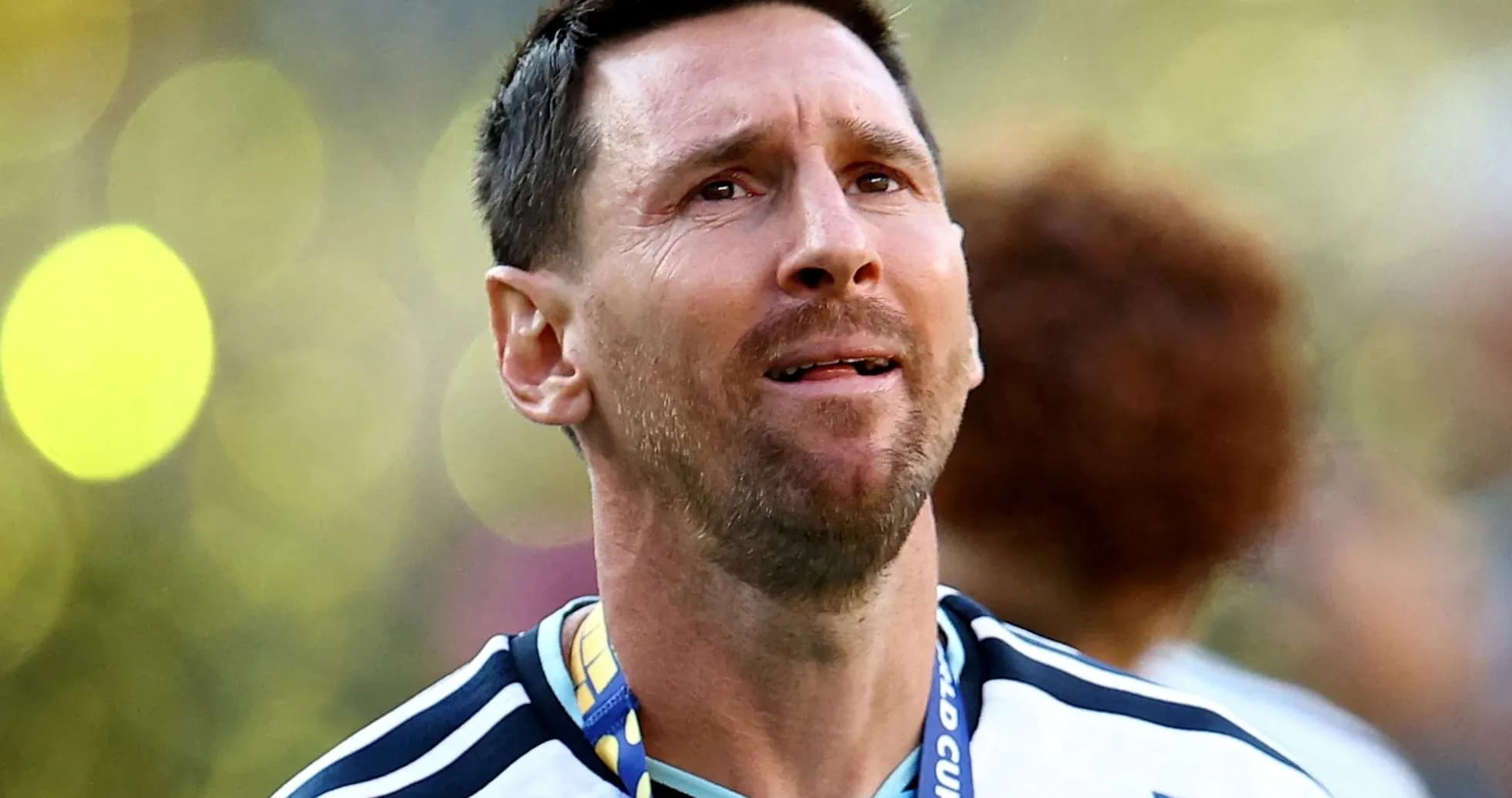
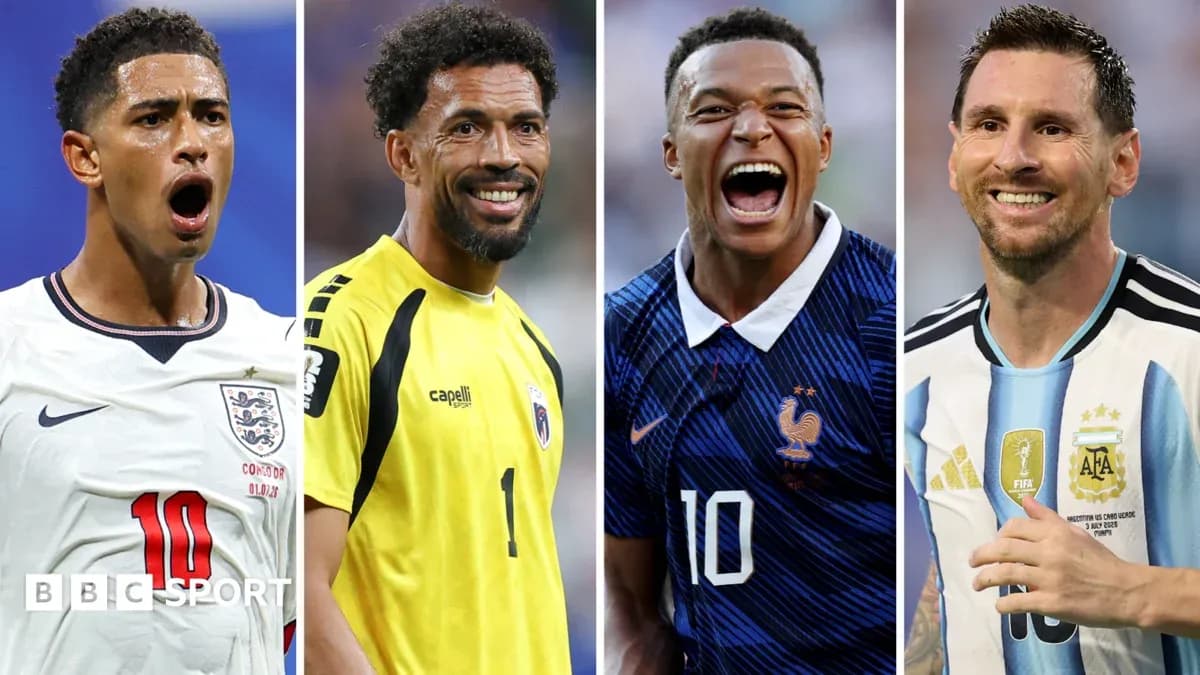
Messi, with eight goals and four assists in eight games, took the Silver Ball and once again dragged Argentina through the moments that matter. England muted him for a half in their semi-final. He responded with two assists that turned the tie. At 39, he was supposed to be on a farewell tour. Instead, he defied age, physics and opponents in equal measure.
Kylian Mbappe, the Bronze Ball winner, arrived in the US looking like a man who had decided the tournament belonged to him. Relaxed, assured, and ruthless, he married goals and leadership with a relentless work rate off the ball rarely seen in his game before.
For many around England, though, the player of the tournament wore white. Jude Bellingham, already a star at Real Madrid, hauled his country forward by sheer force of personality. He found another level in the knockout rounds, scoring, driving, snarling – the heartbeat of a side that refused to bow quietly.
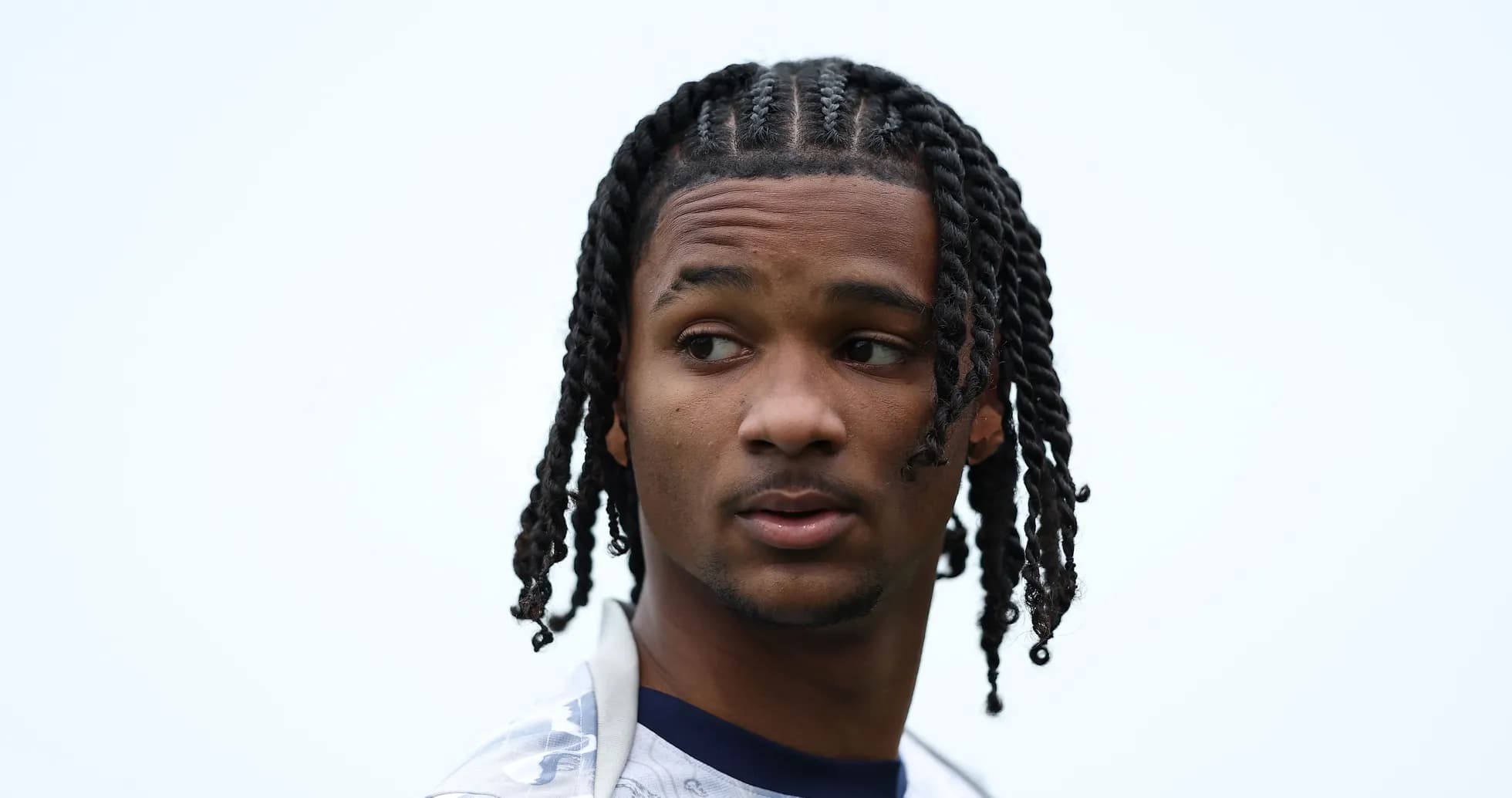
Others left their imprint too. Michael Olise, despite being shut down by Spain in the semi-final, illuminated the tournament with seven assists and that outrageous scissor-kick against Sweden that slammed against the post and had an entire press box on its feet. For some, this was the World Cup where he went from promise to inevitability.
A new generation steps into the light
The official Young Player award went to Spain’s Pau Cubarsi, a 19-year-old centre-back who played every minute of their campaign. He anchored a defence that conceded just once, and his performance against France in the semi-final – calm, dominant, unflustered – marked him out as Barcelona’s next great organiser.
He was not alone. Morocco’s Ayyoub Bouaddi arrived as a Ligue 1 secret and left as a global talking point. Against Brazil in New York New Jersey, his movement off the ball drew comparisons with Patrick Vieira and Luka Modric – a midfielder who seemed to see the pitch half a second before everyone else.
Erling Haaland, already a superstar, somehow still qualified as a breakout in the US. His impact off the pitch matched his finishing on it, as he became a household name far beyond European borders.
Then there was Vozinha. Cape Verde’s 40-year-old goalkeeper turned his first World Cup into a personal saga. Seven sensational saves in a 0–0 draw with Spain on debut. Eight more as Cape Verde pushed Argentina to the brink. His heroics turned him into a cult figure, his social media following exploding from around 50,000 to more than 29 million.
The USA’s Alex Freeman, a full-back with pace and poise, impressed enough that Mauricio Pochettino publicly suggested he could become one of the world’s best in his position. Switzerland’s Johan Manzambi, 20 years old and playing with a grin, scored three in four games before injury cut his tournament short and a £50m move to Aston Villa confirmed his status as the next big Premier League arrival.
Mexico handed 17-year-old midfielder Gilberto Mora a starting role and watched him glide through games with an air that evoked Modric. He looked like he had been playing at this level for years, not weeks.
Nights and moments that will live forever
Some evenings felt bigger than football.
Mexico v England at the Azteca was one of them. The atmosphere hit like a wave, an assault on the senses. The Mexican national anthem rolled around the bowl with such force it felt physical, a sound you could almost touch. For seasoned reporters on their seventh World Cup, it still ranked as the greatest they had ever experienced.
In Boston, Paraguay fans left Germany stunned in one of the most dramatic shootouts the tournament has seen. Outside the stadium, fathers and sons in Paraguay flags stood in tears, calling it the best day of their lives. The disbelief, the joy, the sense that something irreversible had happened – it all hung in the air long after the final penalty.
Messi’s hat-trick in his first game of the tournament sent a different kind of message. This was no gentle goodbye. It was a statement of intent from a man determined to chase down one more title.
Again and again, Sidny Cabral’s equaliser against Argentina in Miami resurfaced as the moment of the World Cup. A 103rd-minute strike from the edge of the box, flying beyond Martinez, turning a heavyweight into a nervous wreck. The smallest nation ever to reach the knockout stages, Cape Verde refused to bow. For a few minutes, they had the defending champions on the ropes and the world on its feet.
All across the US, the World Cup seeped into daily life. Outside stadiums, fans shared food from the back of pick-up trucks, posed for photos, and stopped journalists to ask the same question: “Is it coming home?”
Giants who fell flat
Not everyone left with memories they will cherish.
Brazil, under Carlo Ancelotti, moved through the tournament like a team running in sand. Slow. Uninspired. Un-Brazilian. Norway exposed every flaw in the last 16 and sent them home with a result that felt inevitable long before the final whistle.
Senegal arrived with arguably the most talented squad in their history. They went 2-0 up against Belgium in the last 32 and looked ready to ignite. Then came tactical errors, poor game management, and a collapse that turned a golden opportunity into a cautionary tale.
Scotland’s failure to reach the third-place qualification spots hurt, not least because they were forced to endure days of limbo before their elimination became official.
Cristiano Ronaldo and Portugal exited with a whimper. One of the pre-tournament favourites, they never hit the level expected and went out 1–0 to Spain in the last 16. Ronaldo scored three in five matches, decent numbers that still felt short of the stage and the stakes.
The USA, buoyed by home support and early momentum, watched their campaign unravel amid controversy around Folarin Balogun and a limp defeat to Belgium. The final at MetLife Stadium in New Jersey only added to the sense of frustration for some: a huge venue, but expensive, awkward, and far from fan-friendly.
France’s semi-final no-show against Spain stunned even those who had tipped them to fall. A star-studded front line simply floundered. Brazil’s early exit under Ancelotti had already raised eyebrows; France’s flat departure underlined how quickly reputations can crumble on this stage.
The supporters who stole the show
If the football delivered drama, the fans supplied the soul.
Mexico’s support turned the Azteca into the beating heart of this World Cup. In Mexico City, an entire restaurant applauded when visiting journalists revealed they were from England. In Los Angeles and beyond, Mexican green flooded the streets; fireworks crackled over the city whenever El Tri won.
Curacao’s fans, from a nation of just 150,000, filled Philadelphia with a noise that felt impossible for such a small country. Brazil’s travelling army did what they always do: they did not just take over stadiums, they took over cities. For 48 hours, Philadelphia felt more like Rio or Sao Paulo.
Colombia’s fans transformed Arrowhead Stadium in Kansas City into a rolling party when they met Ghana. Norway’s supporters introduced their Viking row to the world, thousands in red shirts sitting in lines and rowing in unison. It became a global phenomenon, especially when players joined in after matches. In Miami, with Norway leading England 1-0 in the quarter-final, their fans sang “You’re going home, England’s going home.” Moments later, Jude Bellingham equalised.
Argentina’s travelling support, 60,000 strong in some US stadiums, sang without pause and generated atmospheres that felt more Buenos Aires than Miami or Kansas City.
And then there were the Mexicans again, twice filling the Azteca in a way that made even seasoned broadcasters pause. For many, that was where the soul of this World Cup truly lived.
From Messi’s physics-defying final act to a 40-year-old goalkeeper becoming an unlikely global star, from Pau Cubarsi’s flawless campaign to Cape Verde shaking a champion, this World Cup left scars, memories and new heroes scattered across a continent.
The question now is simple: how do you follow that?