.svg&w=384&q=75 "naujapitch logo")
Manchester United's Midfield Transformation: Tielemans and Santos Signings
For a few days at the start of the week, it felt like the same old Manchester United story. Another window drifting, another coveted target lost – this time to Tottenham. The narrative wrote itself.
United ripped it up.
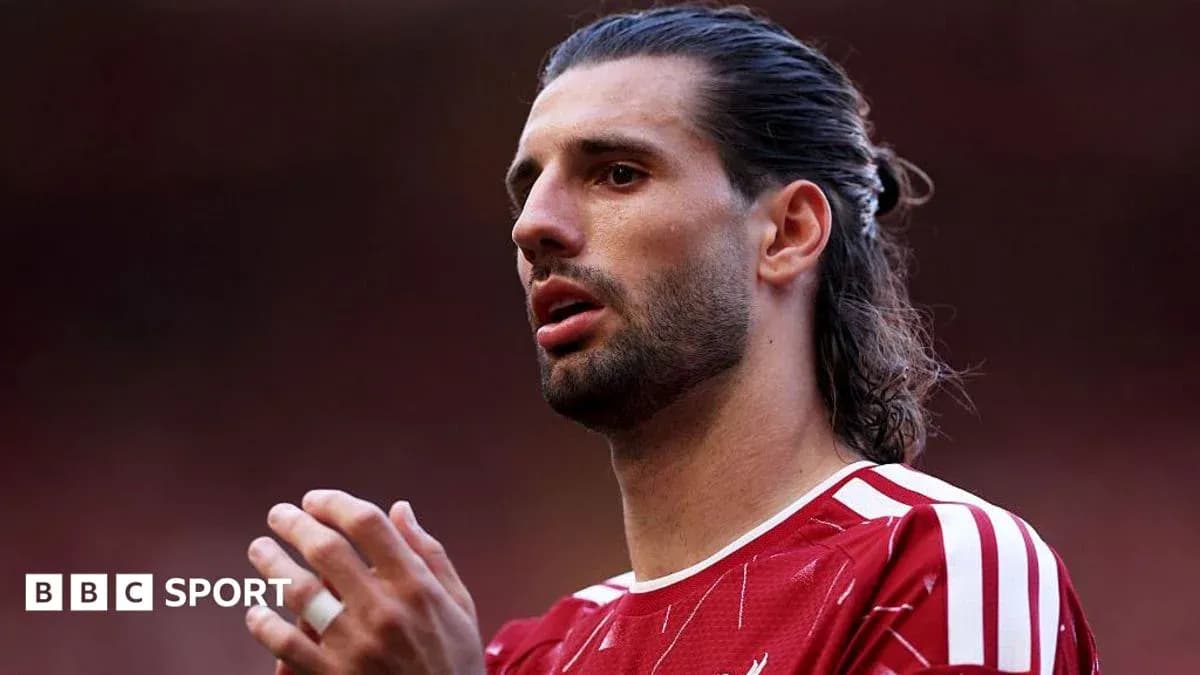
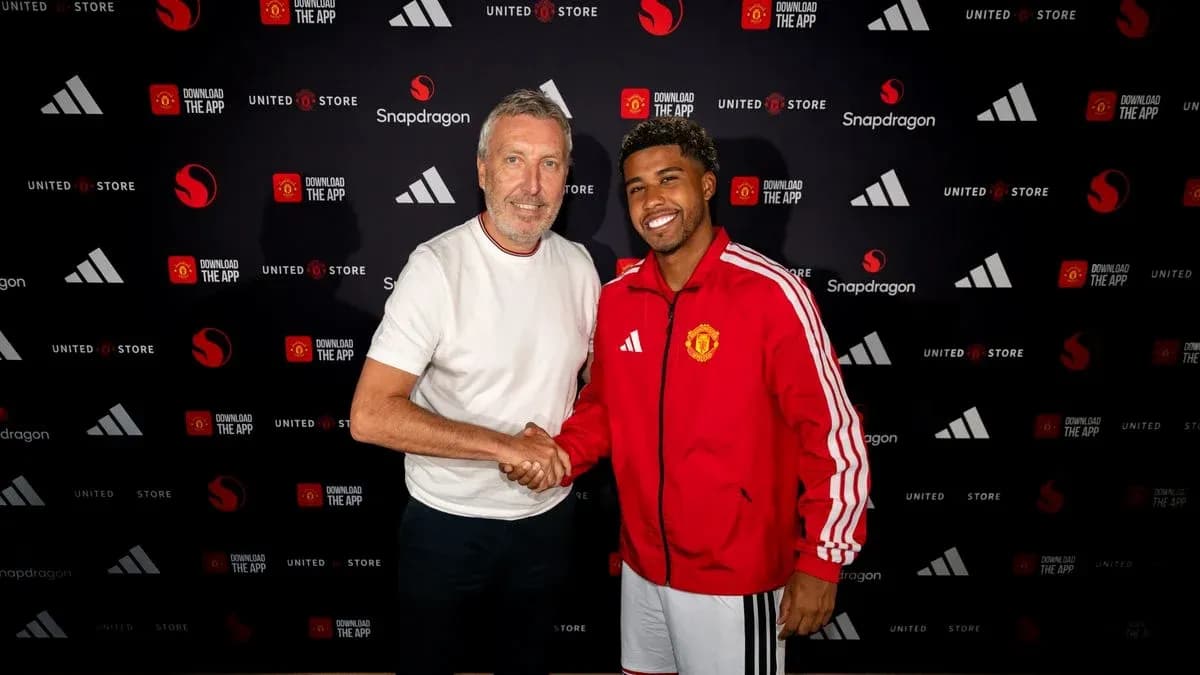
Within 48 hours of missing out on Mateus Fernandes, the club had closed two midfield deals, reshaping both the tone of their summer and the perception of the new regime’s competence. Andrey Santos arrived first for £50 million, Youri Tielemans followed for £35m. Two players, two profiles, one clear message: this United hierarchy is done being bounced into bad business.
Spurs pay the premium, United play the market
The turning point came when West Ham’s stance on Fernandes hardened. United admired the midfielder and had moved for him after failing to land Elliot Anderson, but they refused to dance to West Ham’s tune. An £85m up‑front fee and a wage packet of £250,000 per week were Tottenham’s terms, not theirs.
Spurs paid it. United walked away.
Instead, they spent that same £85m on Santos and Tielemans combined. Whatever Fernandes becomes, that comparison will follow him. United can already argue they have extracted far more value per pound.
This is not a dismissal of Fernandes’ talent. The 21-year-old carries clear upside and last season’s metrics had him tracking not far behind Anderson, now of Manchester City, in several key midfield categories. There is a reason United liked him. There is also a reason Tottenham had to overpay.
Fernandes, though, comes with baggage. Two straight relegations from the top flight sit on his record, and while that does not define a player, it underlines how early he still is in his development. He is a project, not a pillar.
Santos is a project too. The Brazilian is not close to the finished article, but he is no more raw than Fernandes and arrives at a far more palatable cost. Tielemans, by contrast, is the known quantity: a proven Premier League operator with seven-and-a-half years of top-flight experience and a track record of consistency that made Aston Villa desperate to keep him.
The contrast with United’s past is stark. Under the previous regime, missing out on one target often triggered a panic buy. When Frenkie de Jong slipped away, Casemiro arrived at enormous cost and on huge wages. This time, after Anderson went to City and Fernandes slipped to Spurs, United held their nerve.
Wages, egos and a dressing room reset
The wage element is not a footnote here. Tottenham’s offer of £250,000 per week for Fernandes would have detonated United’s internal structure had they tried to match it. The club is actively trying to lower the overall wage bill and dilute the culture of entitlement that has dogged the dressing room for years.
Handing that kind of salary to a young midfielder with two relegations behind him would have been a direct challenge to that strategy. It would also have risked reopening wounds just as some of the biggest egos had finally been ushered out.
Casemiro’s exit, for instance, removed a heavyweight earner and a dominant personality. It also left a gaping leadership hole. United needed someone who could help fill that void without recreating the same financial imbalance. Tielemans fits that brief almost perfectly.
At 29, he brings maturity, a calm authority on the ball and a leadership profile already recognised at international and club level. He was named Belgium captain last year and took the armband in his final season at Leicester. That kind of responsibility does not arrive by accident.
Jason Wilcox, United’s technical director, did not overcomplicate it when Tielemans signed.
“Youri has consistently been one of the most outstanding midfielders in the Premier League,” he said. “He has all of the technical qualities, as well as the ambition and mentality, to thrive at United.”
Wilcox also highlighted his leadership. He did not need to. Tielemans’ CV already did it for him.
From Amorim’s chaos to calculated calls
All of this unfolds against a backdrop of justified scepticism around the United board. The Ruben Amorim experiment was a disaster. His appointment felt wrong from the start and the numbers were brutal by the end: worst win ratio of any United manager in Premier League history, most goals conceded per game, lowest clean-sheet rate. No one inside Old Trafford is pretending otherwise.
Amorim did some things right. He cleared out several big egos and made serious attempts to reset the culture. The problem was that the damage on the pitch outweighed the cultural gains. When he then appeared to talk himself out of the job, club insiders believed it was a deliberate move to engineer an exit. The board, already under fire for hiring him, took another wave of criticism when they pulled the plug.
That context matters when judging this summer. You cannot slam the hierarchy for Amorim and then ignore it when they get a major call right.
Last summer, it felt like the penny had finally dropped in terms of recruitment. Profiles sharpened, impulse buys faded, and there was a clearer thread connecting signings. This window has been tougher – competition is fiercer, fees are higher, and United are trying to correct years of over-spending – but the response to the Fernandes setback suggests those lessons have stuck.
Miss one target. Pivot quickly. Land two.
Tielemans, Santos and a new midfield map
The Tielemans deal, in particular, carries the fingerprints of a club that has actually done its homework. Statistically, he ranks near the top of the Premier League over recent seasons for passes played to a teammate within three metres of an opponent – the tight, brave passes that break pressure and keep attacks flowing. He links phases, he knits moves together, he gives structure to chaos.
Michael Carrick will lean heavily on that. As a manager who built his playing career on tempo, angles and control, he now has a midfielder whose passing range and composure can bring those ideas to life on the pitch.
Santos offers something different: energy, legs, and the kind of upward trajectory that can transform a squad over a two- or three-year period if nurtured correctly. He will not walk into the team, but he does not have to. The point is that United are layering their midfield, not gambling the entire structure on a single, overpriced fix.
There is still work to do. United want a third high-quality midfield addition and other areas of the squad need attention. No one inside Carrick’s office will be pretending that two signings solve everything.
But the pattern matters. A club once mocked for overpaying in desperation has, in one crucial week, shown it can walk away from a bidding war, resist the temptation to smash its wage ceiling, and still emerge with a stronger, smarter squad.
If this is what the new regime looks like under pressure, the rest of the window suddenly becomes a far more intriguing watch.