.svg&w=384&q=75 "naujapitch logo")
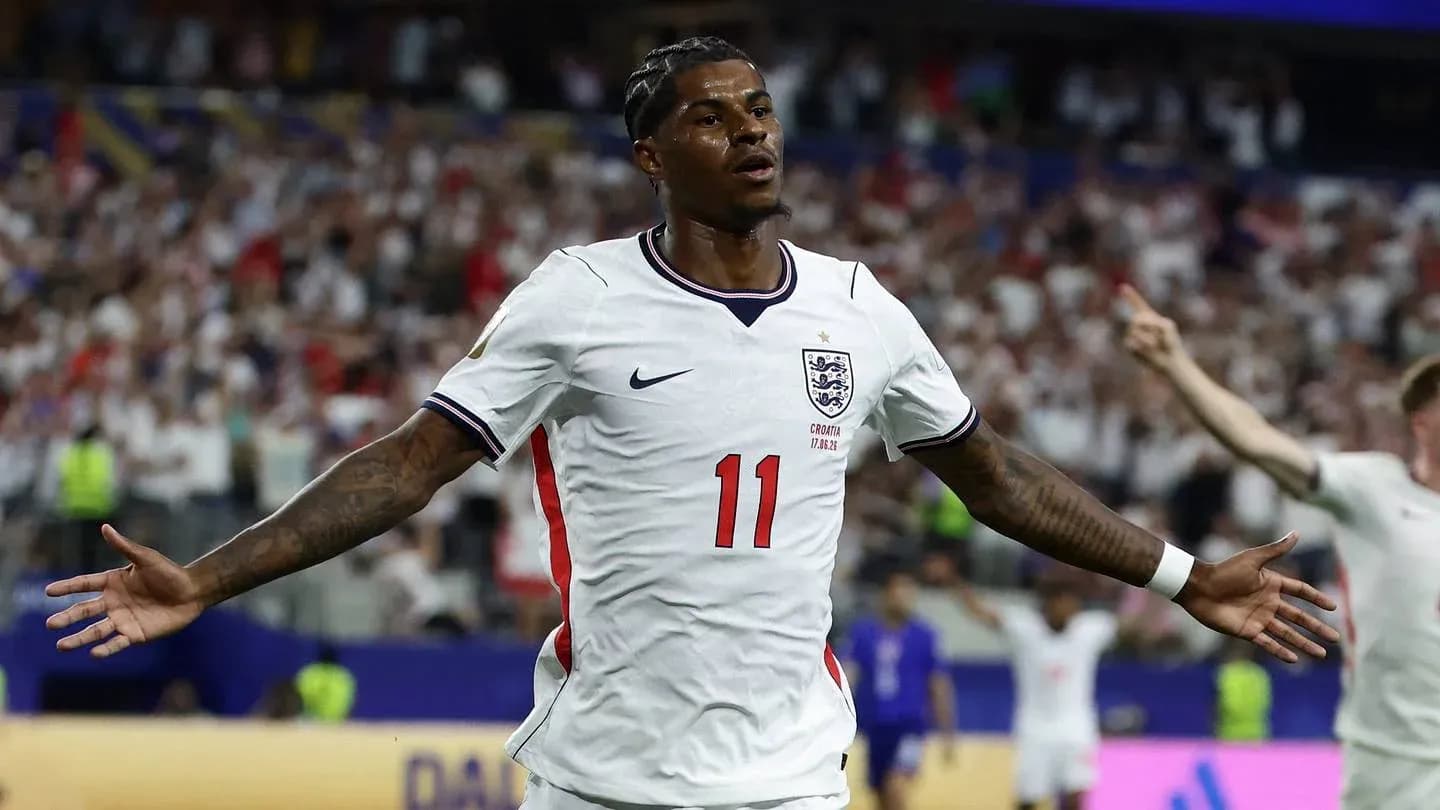
Marcus Rashford's Uncertain Future at Manchester United
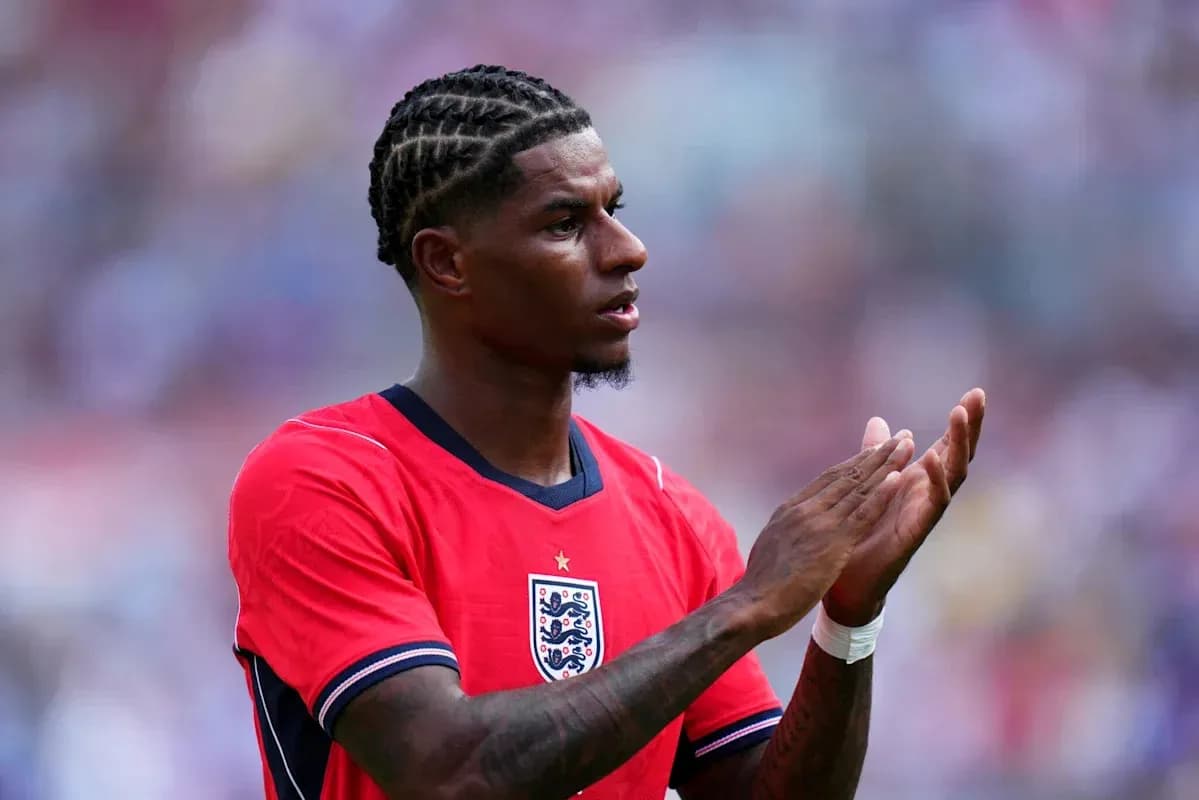
Marcus Rashford’s Manchester United future has lurched into yet another grey area, with the release clause in his contract quietly expiring and the forward’s next step as unclear as ever.
For months, that clause – set at $53.1 million (£40 million) and open to every club in the world except Liverpool and Manchester City – offered a clean escape route from Old Trafford. Now it’s gone. Any club wanting Rashford must go through United, haggle with the hierarchy, and deal with a valuation that has not yet been nailed to the wall.
On paper, Rashford’s path looked simple. In reality, it’s anything but.
A Route Out Closes, But the Story Doesn’t
The 28-year-old is due back at Carrington once England’s World Cup campaign ends, returning to a club that has already watched one dream move for him fall apart.
Barcelona flirted with making him part of their long-term rebuild. Rashford impressed on loan at Camp Nou last season, did enough to justify serious discussion over a $34.4 million (€30 million) permanent deal, and seemed to have found a stage that suited his talent. Then the door slammed shut. Barça walked away from the option and threw their money at Anthony Gordon instead, prising the England winger from Newcastle United, with Karim Adeyemi expected to follow from Borussia Dortmund.
For Rashford, that was the clearest shot at a fresh start at the elite level. Gone.
The now-expired release clause should have been the safety net. It wasn’t used. Not because there was no interest – far from it. Rashford has already turned down multiple offers, including proposals that would have bumped his already hefty salary. The financial scale points heavily towards Saudi Arabia as a likely source of those bids, but he has resisted.
So the clause disappears, and yet not much truly changes. United were open to a sale before and remain so. The difference now is leverage. Any suitor who hesitated has to sit across the table from Old Trafford’s negotiators, and United will listen, but what price they will quote is still a mystery.
Rashford’s Choice
So much of this now rests on the player.
Rashford has already made one thing clear through his decisions: he has a plan for his career and it doesn’t simply involve chasing the biggest pay cheque. He has rejected offers, and reports indicate he is not especially keen on joining another Premier League club. That tilts the picture towards another move abroad, even if concrete interest from mainland Europe has so far been thin.
He is, in many ways, a luxury problem for United. A homegrown forward, capable of playing off the left and through the middle, with a proven ceiling that once touched genuine world-class form. Yet he also represents a financial strain they can no longer ignore.
The Wage Question
Rashford is the highest earner in the squad, believed to be on comfortably over $404,600 (£300,000) per week. Since Casemiro’s lucrative contract expired, Rashford stands alone at the top of United’s wage bill.
That bracket is supposed to be reserved for untouchables, the players a club builds everything around. At one point, Rashford looked exactly that. His 2022–23 season – 30 goals and 12 assists – felt like a turning point, a declaration that he was ready to carry United’s attack.
Then came the drop-off. A sharp decline in output and influence has left United questioning whether they can justify that salary for a player who has not consistently hit those heights in recent years.
This is why the club remain open to a sale. They are determined, though, not to repeat what they see as recent missteps. Rashford’s six-month loan at Aston Villa and his temporary spell at Barcelona were both sanctioned at figures well below what many inside Old Trafford felt was his true market value. There is little appetite to sanction another cut-price exit.
Carrick, Bridges and a Second Act?
Into this walks Michael Carrick.
The new United manager is ready to welcome Rashford back into the fold later this summer, and the door to a reunion is open. Rashford fell out of favour under previous boss Ruben Amorim, but there is no sense of deep fracture between player and club. If anything, the relationship feels paused rather than broken.
There is a mutual willingness to see whether this can be rebuilt. Carrick inherits a squad that is light on natural left wingers. Rashford, at his best, fills that void with pace, direct running and goals. The question for those making the decisions is stark: does the potential upside of a revitalised Rashford outweigh the financial and tactical risk of keeping him?
United must balance the books, reshape the squad and restore standards. Rashford must decide whether his future lies in trying to write a second great chapter at the club that made him, or in starting over somewhere new.
The release clause has gone. The real negotiations – on value, on ambition, on identity – are only just beginning.