.svg&w=384&q=75 "naujapitch logo")
Iran vs New Zealand: Tensions Rise Ahead of World Cup Opener
In Los Angeles, Iran’s opening game of the 2026 World Cup is supposed to be about football. It will be anything but.
The meeting with New Zealand at SoFi Stadium arrives under a level of political and emotional strain rarely seen at a World Cup. The host nation is at war with one of the participants. Iranian protesters are organising to turn the occasion into a rolling indictment of the regime they fled. And the head coach has been given an extraordinary instruction from Tehran: stop the match if dissent spills too visibly from the stands.
For Mehdi Taremi, the captain and veteran face of this Iran side, the tension has been inescapable.
“I have felt the tension from the first moment we arrived at this World Cup,” he said, laying bare the mood in camp. Iran have had to shift their base to Mexico, wrestle with visa complications for members of the delegation, and watch travelling fans lose match tickets amid the diplomatic fallout of the conflict with the United States.
“This kind of tension, it undermines that joy and it undermines the message of Fifa and our people, which is that football brings about peace,” Taremi said. “I feel like this World Cup could have provided a better atmosphere than it has.”
Those words hang over everything that will unfold in Los Angeles.
A match on the brink
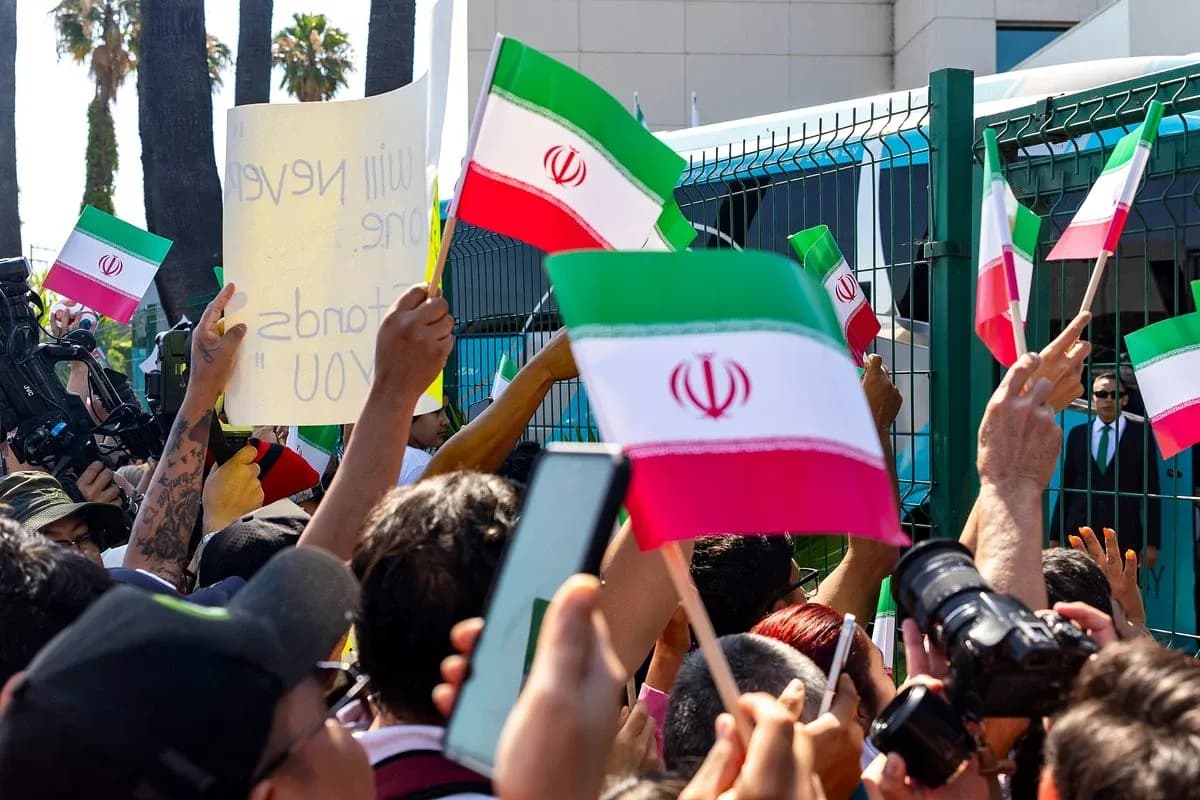
Outside SoFi Stadium, protesters are mobilising. Inside, they plan to make their presence impossible to ignore.
Iranian emigrants opposed to the regime have vowed to put their own national team “through hell” during the anthem and throughout the match. The plan is clear: boo the anthem, turn their backs, and raise pre-revolutionary Iranian flags – the tricolour with the lion and sun emblem – that Fifa has banned from stadiums.
“We’re going to make it hell,” one activist told the Daily Mail, describing buses organised from San Diego, Orange County and across Los Angeles to converge on the ground. “We’re going to boo the anthem that is going to play. We're going to turn our backs during the anthem so we will have our flags showing.
“I know Fifa banned it [the flag] but we will make a way to get it in. So we're going to see this flag, not the terrorist regime’s flag.”
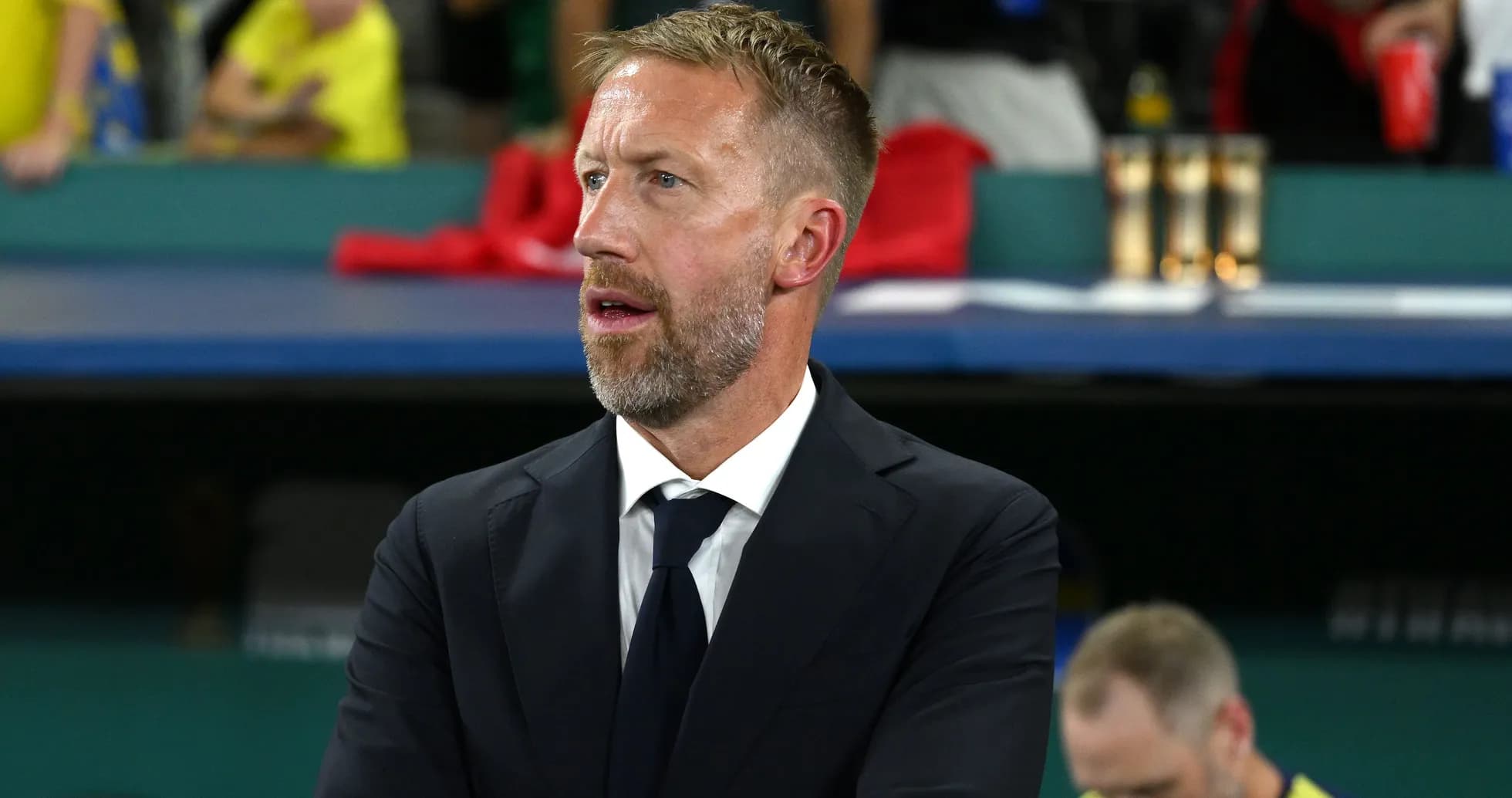
That defiance runs straight into an instruction issued from Tehran. Amir Ghalenoei, the Iran head coach, has been told by the government to halt the match if those flags appear or if anti-regime chanting is clearly audible. It is a surreal, combustible possibility: a World Cup game stopped not for crowd trouble, not for a serious injury, but for the sound and colour of political dissent.
Ghalenoei, at least in public, has tried to steer the conversation away from the stands and back to the pitch.
“We don’t pay attention to any of the hype and anything that goes on around us,” he said on Friday. “We are here to represent the respectful people of Iran, be it the Iranians inside Iran or the Iranian diaspora.
“We are not political people... football is separate from politics.”
The words sound familiar, the standard line from coaches dragged into geopolitical storms. Yet in this case, the separation barely exists. The very act of his players walking out at a stadium in a country their government is at war with, under instructions from that same government on when they may or may not continue, turns every minute into a political act.
A World Cup first – and a warning
As Kieran Jackson has explored, the hard fact is stark: in the 96-year history of the World Cup, this is the first time a competing nation has been at war with the host. Iran’s opener against New Zealand, on paper a straightforward group fixture, has become a test of how football copes when the usual firewall between sport and state collapses.
The tension has been building for weeks. Fifa’s insistence that football “brings about peace” sounds increasingly fragile set against scenes like those planned in Los Angeles. Protesters are determined to use the global stage to challenge the regime; the regime, through its instructions to Ghalenoei, is determined to control the optics, even if that means dragging the game itself into chaos.
Inside the Iran camp, players are trying to focus on tactics, on New Zealand’s shape, on the small margins that decide tournament football. Outside, buses full of dissidents are heading for the stadium with flags hidden in bags and jackets, ready for the anthem.
At some point tonight, those two worlds will collide. The only question is whether the football survives the impact.