.svg&w=384&q=75 "naujapitch logo")
Gueye's Shocking Decision Post World Cup Exit
Senegal’s World Cup exit was brutal enough. What followed has ripped open something far deeper.
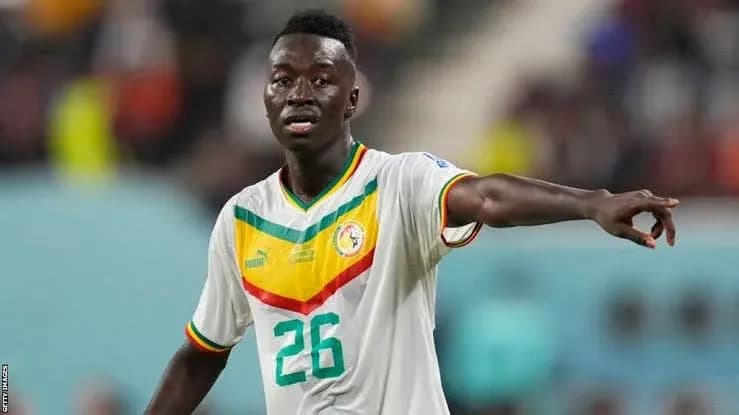
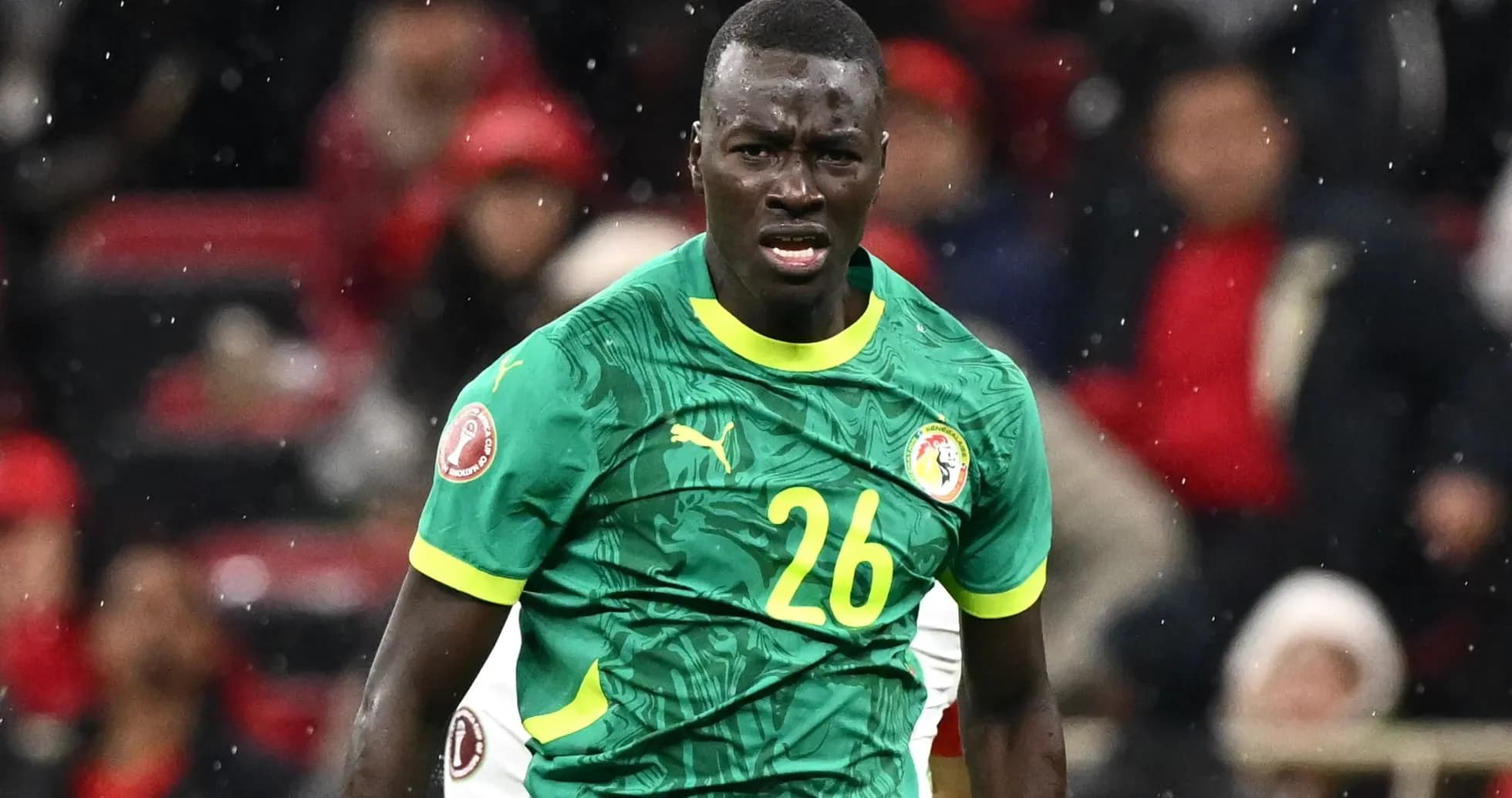
Hours after the Lions of Teranga crashed out in a 3-2 extra-time defeat to Belgium, key midfielder Pape Gueye announced he will no longer play for Senegal as long as the current coaching staff remain in charge.
No ambiguity. No soft landing.
On his Instagram story, Gueye wrote: “I’ll be back to give you a few words regarding elimination... but I announce today that as long as it’s this technical staff I’ll take a break from the selection.”
For a player who had been central to Senegal’s run, it landed like a thunderclap.
From Cruise Control to Collapse
The backdrop to that message was a second half that will haunt Senegalese football for years.
For an hour, Pape Thiaw’s side had one foot in the Round of 16 and a date with the USA. Habib Diarra struck, Ismaila Sarr added another, and Senegal looked composed, aggressive, and fully in control. At 2-0 up, they were not just leading Belgium; they were suffocating them.
Then came the 64th minute.
Thiaw took off Gueye, replacing him with Lamine Camara. It was one of several changes to key pieces while Senegal still held a commanding lead. From that point, the match’s rhythm shifted. Belgium sensed life. Senegal lost their grip.
The pressure finally told in the closing stages. Romelu Lukaku and Youri Tielemans scored in the final ten minutes to drag Belgium level and force extra time. The energy in the stadium flipped. Senegal, once swaggering, now looked heavy-legged, pinned back, clinging on.
The final blow arrived in the 125th minute. After a VAR intervention, Belgium were awarded a penalty. Tielemans stepped up and buried it. A 2-0 lead had turned into a 3-2 defeat, and with it, Senegal’s World Cup dream disintegrated.
What had promised to be a statement campaign ended in disbelief and recrimination.
Thiaw Under Fire
If Gueye’s post lit the match, Thiaw’s decisions provided the tinder.
The head coach faced an immediate storm of questions over his game management, particularly the decision to remove Gueye and other influential players while still leading 2-0. From the outside, it looked like a coach inviting pressure in the biggest game of his tenure.
Thiaw pushed back.
“They were tired and couldn’t continue. Leaving them on the field would have been unprofessional on our part. We had to replace them, like for like,” he explained. “Of course, when you lose a match after leading 2-0, people inevitably talk about the substitutes. But you can’t reduce everything to that. These changes were primarily dictated by fatigue, more than by tactical considerations.”
He framed the switches as a medical and physical necessity, not a strategic gamble. But in tournament football, optics matter. So does timing. Pulling leaders when a game is still alive always invites scrutiny, and in this case, the collapse that followed has only sharpened the focus on his calls.
A Team Already on Edge
Gueye’s stance does not arrive in a vacuum. It drops into a national setup already carrying scars.
Thiaw was still dealing with the fallout from the Africa Cup of Nations final against Morocco, where he infamously ordered his players off the pitch in protest at a refereeing decision. Senegal eventually returned, won the match on the field, and celebrated what they believed was a continental title.
CAF later overturned the result, awarding the victory and the trophy to Morocco.
That episode painted a picture of a volatile touchline, a coach operating on the edge, and a team dragged into controversy even on its best day. Now, after the Belgium defeat and Gueye’s open rebellion, questions around leadership and direction have intensified.
This is no longer just about substitutions in one game. It is about trust between a dressing room and the men who lead it.
A Bitter Exit, and a Deeper Rift
In the immediate aftermath, Thiaw cut a dejected figure.
“We just lost a match that was really important to us. We wanted to qualify for the Senegalese people, we thought we deserved it, but unfortunately, we are eliminated. I am sad, the players are sad too, because they really wanted this qualification,” he said.
The pain of elimination is raw enough. But Senegal now face a more complex wound: one of their key figures has effectively walked away, at least under this regime, and done so publicly.
For a squad built on strong personalities and a proud recent history, this is a fault line that will not quietly close. The World Cup is over. The debate around how Senegal move on from this – and who will be part of that journey – is only just beginning.