.svg&w=384&q=75 "naujapitch logo")
Germany's Summer of Decisions: Youth and Old Wounds
The German national team is heading into a crucial summer with as many storylines off the pitch as on it. Between bold calls on young talent, lingering tensions from the past, and a goalkeeping hierarchy under the microscope, Julian Nagelsmann’s choices are shaping a new era — and reopening some old debates.
Bayern’s Youngster Heads to North America
One of FC Bayern’s brightest prospects is packing his bags for North America, and it’s more than just a preseason excursion. For the youngster, the trip represents exposure, trust, and a platform to prove he belongs in the conversation for both club and country.
Bayern rarely hand out these opportunities without a plan. A young player traveling with the senior squad, especially across the Atlantic, signals that the coaching staff see real potential and want him embedded in the first-team environment. Training sessions intensify, the spotlight sharpens, and every touch is judged.
For Germany, that matters. A breakout tour can fast-track a player into the national team picture, particularly in a cycle where fresh legs and fresh ideas are in demand. The door is not wide open yet — but it’s no longer locked.
An Old Rift, New Consequences?
Beneath the surface of Germany’s squad selections lies a more uncomfortable question: is an old rift still echoing through today’s decisions?
The national team has not been immune to internal fractures over the years — disagreements between players, tension with coaches, or strained relationships with clubs. Those scars do not always fade cleanly. When a high-profile omission or a surprise inclusion appears on the squad list, the conversation quickly shifts from form and tactics to politics and history.
Right now, some choices around the German squad have reignited talk of that lingering divide. It is not about one name or one position; it is about whether past conflicts still shape present selections. Fans see patterns. So do players.
Nagelsmann’s challenge is obvious: build a squad on merit, balance, and tactical clarity while convincing everyone that old wounds are no longer steering the ship.
Versatility from Dortmund
At least one decision looks purely footballing. A Borussia Dortmund attacker has been brought in to give Germany something every tournament team craves — attacking versatility.
He can drift wide, drop into pockets, or attack the box from deeper positions. That flexibility allows Nagelsmann to switch systems without ripping up the entire front line. Need width? He can provide it. Need an extra runner between the lines? Same player.
For Germany, who have struggled in recent years to find a fluid, unpredictable attack, this profile is gold. It offers solutions when opponents sit deep, and it offers danger on the counter when Germany have to suffer without the ball.
This is the type of call that hints at a more dynamic, adaptable national side. Less rigid. More dangerous.
Nagelsmann Delivers the Bad News
Of course, every call-up means a cut. And Nagelsmann has already had to sit down with players and deliver the words no professional wants to hear.
Some were on the bubble and knew the risk. Others had done enough, in their own eyes, to expect a seat on the plane. They got a phone call instead. Those conversations leave marks — on careers, on relationships, and on the public perception of a coach.
Nagelsmann has stepped into a role that demands both cold judgment and emotional intelligence. He has to look players in the eye and tell them their dream is on hold, then turn around and convince the chosen group that this is the tightest, most united version of Germany in years.
Cuts are part of the job. How you handle them can define a tenure.
A Bayern Prospect with a Real Shot
Back at club level, another FC Bayern youngster finds himself in a very different position: he has a chance.
Not a token training invite. A genuine opportunity to push into the frame, whether for Bayern minutes or a longer-term role with the national team. The message is clear — perform now, and the pathway is there.
For a player at a club like Bayern, the margins are brutal. One strong camp can change everything. One hesitant performance can send you back to the reserves. But when that chance aligns with a national team in transition, the stakes rise again.
Germany need new faces ready to step in, not just in two or three years, but soon. If this youngster seizes his moment, Nagelsmann will be watching.
Hoffenheim’s Keeper Refuses to Blink
While outfield players fight for spots across the pitch, the eternal German question returns: who owns the goal?
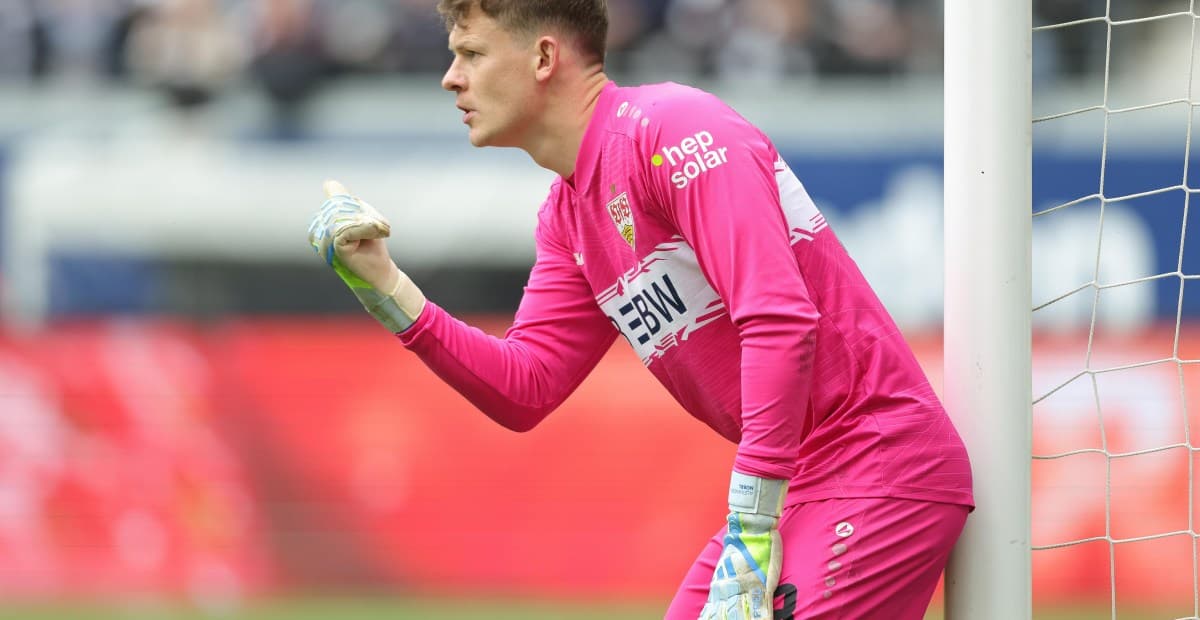
The Hoffenheim goalkeeper remains confident he has a role to play this summer. Confidence matters in that position, perhaps more than anywhere else. A goalkeeper who doubts himself is beaten before the first shot arrives.
Germany’s goalkeeping tradition is rich, and the competition is ruthless. Yet the Hoffenheim man clearly believes he still belongs in the conversation — as a starter, as a challenger, or as a trusted deputy in a long tournament.
He is not backing down. Not to reputation. Not to age. Not to noise from outside.
Germany stand at a crossroads between eras: established names defending their status, hungry youngsters flying to new continents to stake their claim, and old rifts threatening to cloud clear-eyed decisions.
Nagelsmann has the pieces. The question is whether he can assemble them into a team that finally looks like Germany again — or whether these summer choices will be remembered as the turning point that came too late.