.svg&w=384&q=75 "naujapitch logo")
France Faces Tchouameni Dilemma Ahead of Morocco Clash
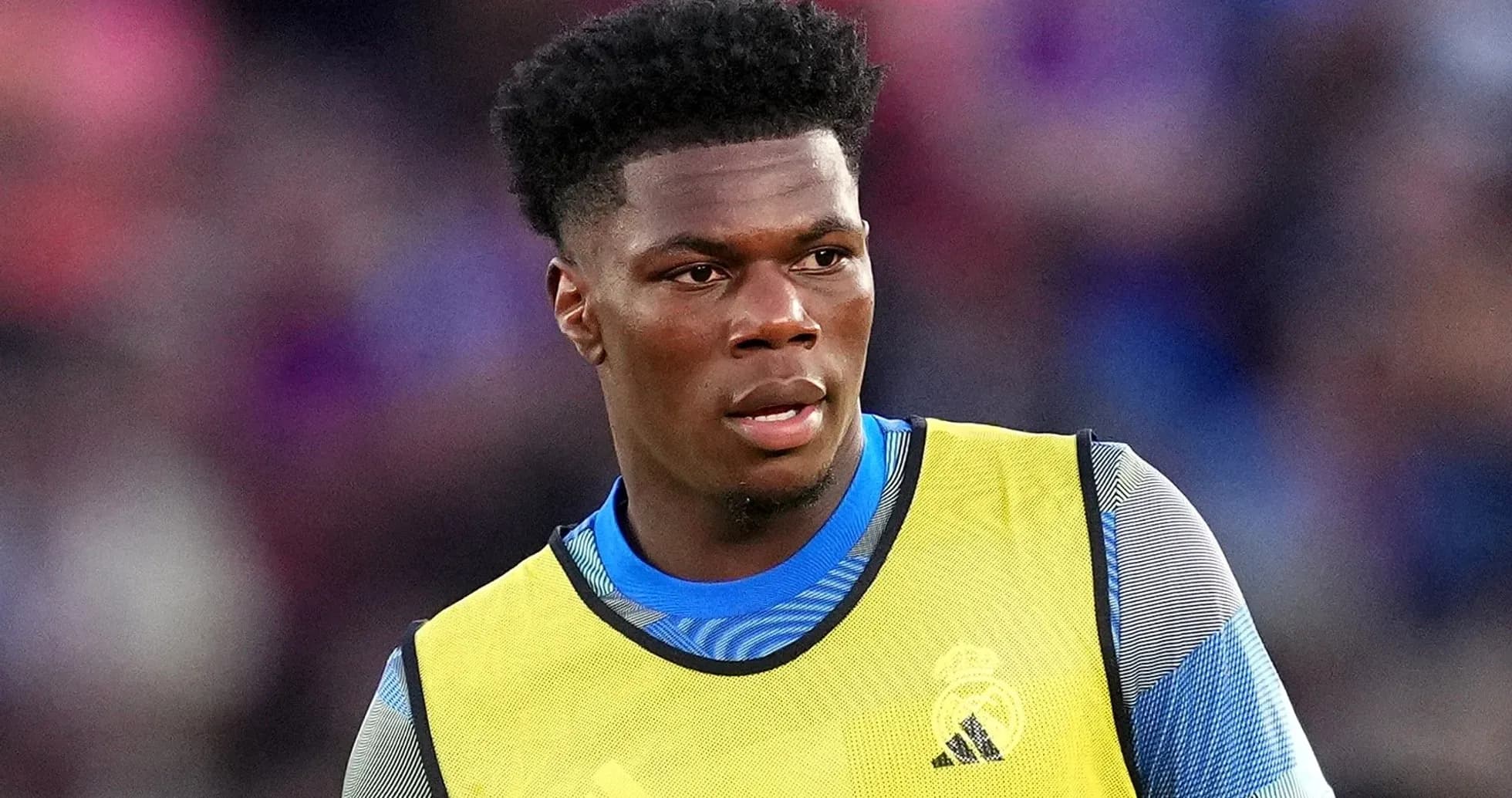
Aurelien Tchouameni’s groin has become France’s great unknown. Everything else, you sense, is already decided.
The Real Madrid midfielder limped out of training after the round-of-32 win over Sweden and watched from the sidelines as France ground their way past Paraguay 1-0 in the last 16. A tight, tense night in Philadelphia was settled by Kylian Mbappe’s second-half penalty; the kind of moment that hides a lot of tactical compromises beneath the surface.
One of those compromises was in the heart of midfield. With Tchouameni out, Didier Deschamps turned to Roma’s Manu Kone alongside Adrien Rabiot in the pivot. It was a combative pairing, more grit than gloss, but it did the job in a feisty contest that never really allowed France to slip into cruise control.
Now comes Morocco in Boston and the stakes rise again. So does the question: is Tchouameni ready?
Deschamps, speaking on Wednesday, cut a cautious figure when pressed on the vice-captain’s fitness.
“I don’t have all the information yet,” he said. “Aurelien is better, but I left early this morning. He’s the only one who needs to be seen, but he’s doing better. He might participate in the training session today. All other players are available.”
That “might” carries weight. France have been hoping the Real Madrid man, who is poised to sign a new contract at the Bernabeu, could at least rejoin the group on the eve of the quarter-final. If he comes through that session, Deschamps must decide whether to restore his midfield anchor from the start or keep faith with the duo who helped drag France through against Paraguay.
If Tchouameni is not deemed ready to start, the path is clear: Kone and Rabiot again, with Deschamps trusting continuity and physical intensity over fine-tuning. The France coach, never one for unnecessary experimentation at a major tournament, appears inclined to roll out almost the same XI that began in Philadelphia.
Mike Maignan will stay in goal, unchallenged and unflustered. In front of him, the defensive core feels set in stone.
Jules Kounde, Dayot Upamecano and William Saliba have become the pillars of this side, a trio Deschamps leans on for calm in games that threaten to tilt into chaos. Their understanding has hardened with every round, and there is little sign of that changing now.
Higher up the pitch, the attacking structure also looks locked. Ousmane Dembele and Michael Olise are expected to flank Mbappe again, giving France width, pace and one-v-one threat on both sides. Mbappe’s penalty against Paraguay underlined his status as the difference-maker, but it is the movement around him – Dembele stretching, Olise drifting into pockets – that keeps opponents guessing.
The only real rotation across this World Cup has come on the left. At left-back and left wing, Deschamps has tinkered, tested, and then, finally, settled. Lucas Digne and Bradley Barcola now appear to have edged ahead of Theo Hernandez and Desire Doue in that corridor, offering a blend of balance and direct running that has convinced the staff.
There is, however, a cloud hanging over some of France’s brightest performers. The disciplinary tightrope is getting thinner.
France have failed in their attempt to have Olise’s yellow card from the Paraguay match rescinded. The decision stands, which means the winger will miss a potential semi-final if he is booked again and Les Bleus go through. The same threat hangs over Kone and Barcola, with cautions not wiped until after the quarter-finals at this expanded tournament.
It leaves Deschamps juggling risk. Go full throttle with his most dangerous wide players and combative midfielders against Morocco, or manage minutes and aggression with one eye on what might come next?
For now, his priority is simpler: get Tchouameni back on the pitch, or double down on the formula that has carried France this far. The system is stable, the stars are fit, the path is clear.
All that’s left is to see whether the man who knits it all together in midfield is ready to step back into the storm.