.svg&w=384&q=75 "naujapitch logo")

FC Tulsa's Group 3 Campaign Takes a Hit Against San Antonio
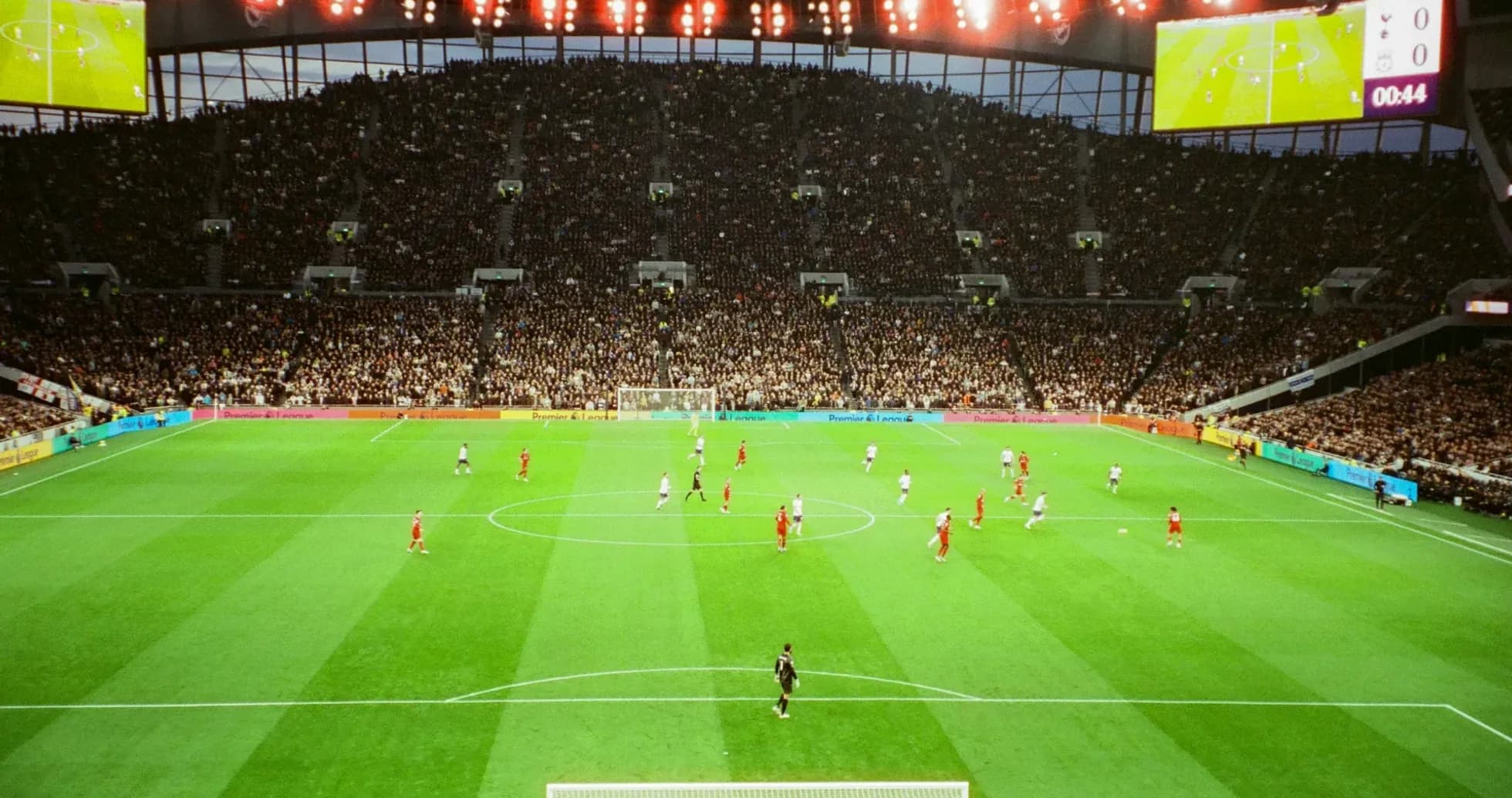
Under the late lights of ONEOK Field, FC Tulsa’s Group 3 campaign in the USL League One Cup took a sharp turn. A 1–0 half-time lead dissolved into a 1–2 home defeat against San Antonio, a result that crystallized the contrasting identities of these two sides.
Following this result, the standings snapshot is stark. San Antonio sit as group leaders on 8 points, unbeaten with 2 wins and 1 draw, and a commanding overall goal difference of +4 (6 goals for, 2 against). FC Tulsa, by contrast, are second on 4 points with a negative overall goal difference of -1 (5 goals for, 6 against), their form line reading LWL. It is a table that tells of a ruthless traveler versus a fragile host.
I. The Big Picture – Two Paths in the Same Group
Heading into this game, Tulsa’s home record in the competition was already a concern: 2 home matches, 2 defeats, with 2 goals scored and 4 conceded. Their overall scoring profile was modestly consistent – 3 goals in total across 3 fixtures, with an overall average of 1.0 goals for per match both at home and on their travels. Defensively, though, the cracks were evident: 4 goals conceded overall, with an overall average of 1.3 goals against per match, driven by a home average of 2.0.
San Antonio arrived in Oklahoma as a side built on control and economy. Across the group phase they have scored 4 goals in total, with an overall average of 1.3 goals for per match, and conceded just 1 goal in total, an overall average of 0.3 goals against. On their travels, they had been particularly efficient: 2 away fixtures, 3 goals scored (an away average of 1.5) and only 1 conceded (an away average of 0.5), with 1 away clean sheet already in the bank. This away resilience and clinical edge framed the tactical story of the night.
II. Tactical Voids and Discipline – Edges at the Margins
There is no explicit injury or suspension list in the data, so the voids here are structural rather than personnel-based. Tulsa’s issues are less about who is missing and more about how the existing core is being stretched.
The disciplinary profile across the competition hints at a side that often loses control in key phases. Tulsa’s yellow cards are scattered, but with a notable spike: 4 yellows in the 46–60 minute window (28.57% of their cautions) and 3 more between 76–90 minutes (21.43%). Even more telling, 100.00% of their red cards have come in the 76–90 minute range. That late-game volatility has a tactical cost: it disrupts shape, undermines pressing plans, and forces reactive substitutions.
San Antonio, by contrast, manage the line with more composure. Their yellows peak between 76–90 minutes as well (3 cautions, 37.50%), but crucially, they have no reds recorded in any window. They accept the physical toll of closing out matches without tipping into self-destruction. In a tight group format, that difference in late-game discipline is almost a tactical advantage in itself.
III. Key Matchups – Hunter vs Shield, Engine Room vs Enforcer
Without explicit individual scoring tallies, the “Hunter vs Shield” duel is best understood as unit versus unit.
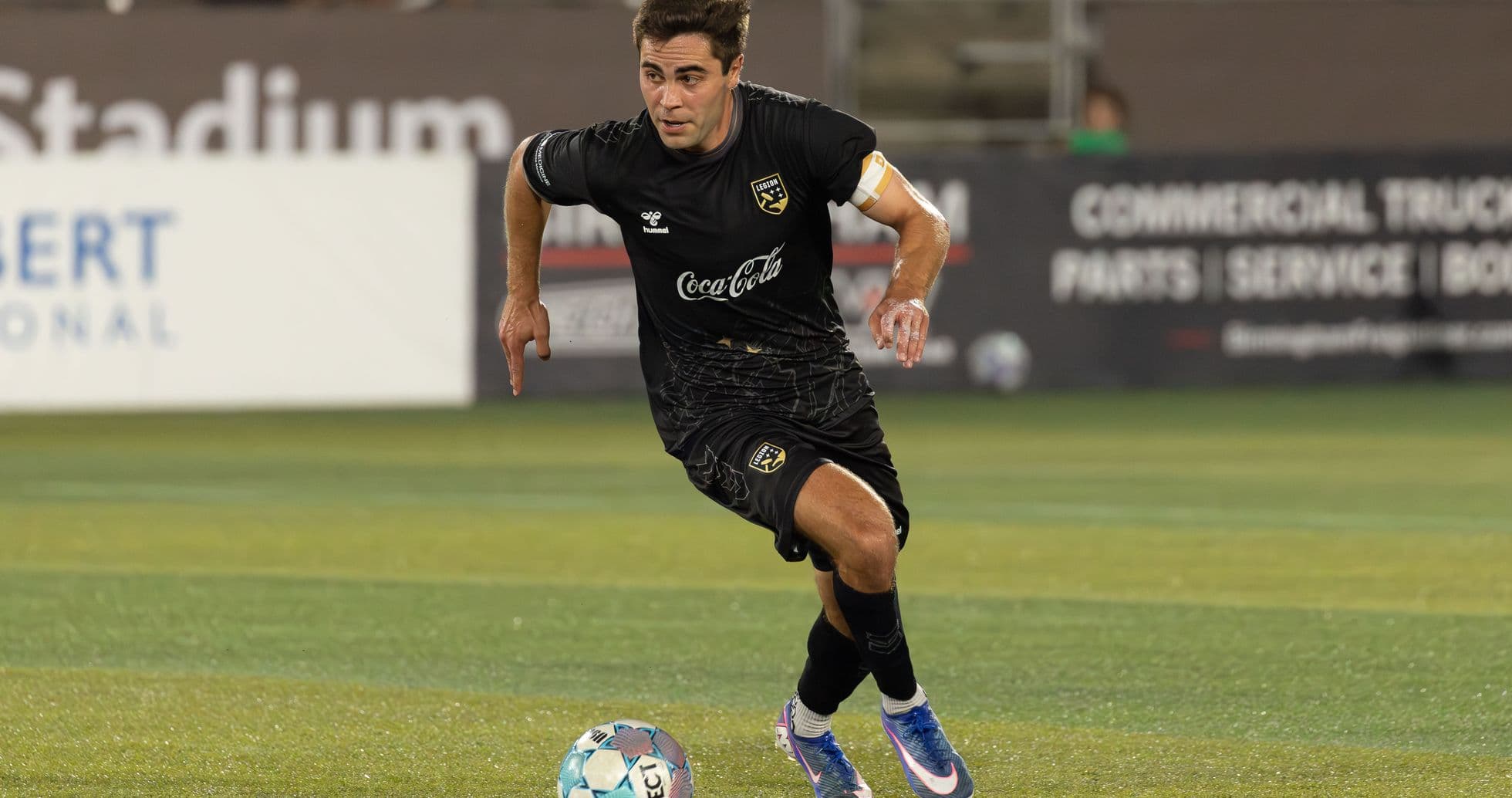
For Tulsa, the attacking burden is spread across a front band that includes R. Cabral and J. Webber, supported by B. Sparks and the forward thrust of G. Robinson. They operate in front of a midfield platform anchored by G. Colli and J. Kocevski, with L. Stauffer offering width and progression. This collective has been capable of producing that steady 1.0 goals-for average, but not yet of overwhelming a disciplined opponent.
Standing opposite is San Antonio’s defensive shield, built around A. Crognale and M. Taintor, flanked by the physical presence of D. Barbir and protected by N. Blanco in front. Heading into this fixture, that unit had conceded just 1 goal across 3 matches, with 2 clean sheets – 1 at home and 1 on their travels. Their away defensive record (1 goal conceded in 2 games) underpins San Antonio’s entire game model: absorb, compress, and then strike with precision.
In the “Engine Room” matchup, Tulsa’s G. Colli and J. Kocevski are tasked with setting tempo and connecting lines. They faced a San Antonio midfield triangle fronted by J. Hernandez and E. Cuello, with L. Berron adding vertical runs. Hernandez in particular is the creative hinge, linking to the movement of C. Sorto and the wide surges of M. Maldonado. Over 90 minutes, San Antonio’s engine outlasted Tulsa’s, gradually tilting the game away from the hosts after that early breakthrough.
IV. Statistical Prognosis – Why the Game Tilted San Antonio’s Way
Even without explicit xG numbers, the season data sketches a clear expected-goals landscape. A Tulsa side averaging 1.0 goals for and 1.3 against overall met a San Antonio team averaging 1.3 for and only 0.3 against. The most likely script was always a narrow San Antonio win or a low-scoring draw, particularly given San Antonio’s away profile of 1.5 goals for and 0.5 against.
Tulsa’s inability to turn home advantage into control – 0 home wins, 2 home losses, and a home goal difference of -2 (2 scored, 4 conceded) – aligns with what unfolded at ONEOK Field. They struck first, but the structural trends reasserted themselves: San Antonio’s compact defending, their comfort in away scenarios, and their discipline in the decisive late phases.
For San Antonio, this 2–1 comeback away win is less an upset than a confirmation of their group-stage DNA: pragmatic, defensively elite, and opportunistic in transition. For FC Tulsa, it is a harsh lesson in margins – a reminder that in a short group campaign, fragile home form and late-game discipline issues can turn a promising start into a precarious chase.