.svg&w=384&q=75 "naujapitch logo")
England's World Cup Journey: Thrilling Attack, Shaky Defence
England’s attack has arrived at this World Cup with a roar. The defence, though, is still clearing its throat.
Thomas Tuchel’s side opened their campaign with a wild 4-2 win over Croatia in Arlington, Texas – a scoreline that flatters the forwards and exposes the back line in equal measure. Twice England went ahead. Twice they were dragged back before finally overwhelming an experienced, if ageing, Croatian side after the break.
It was thrilling. It was also a warning.
Goals flowing, doubts growing
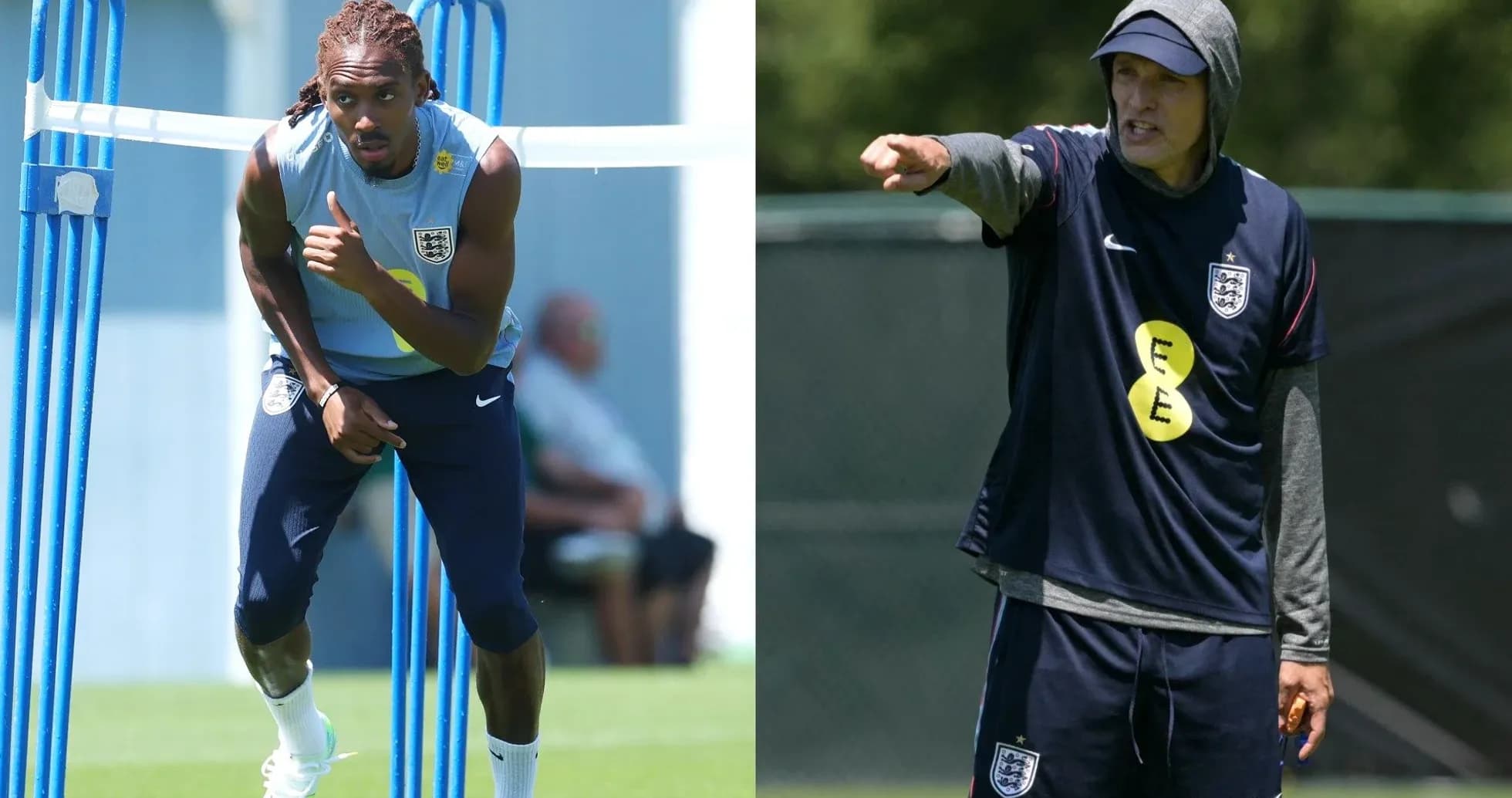
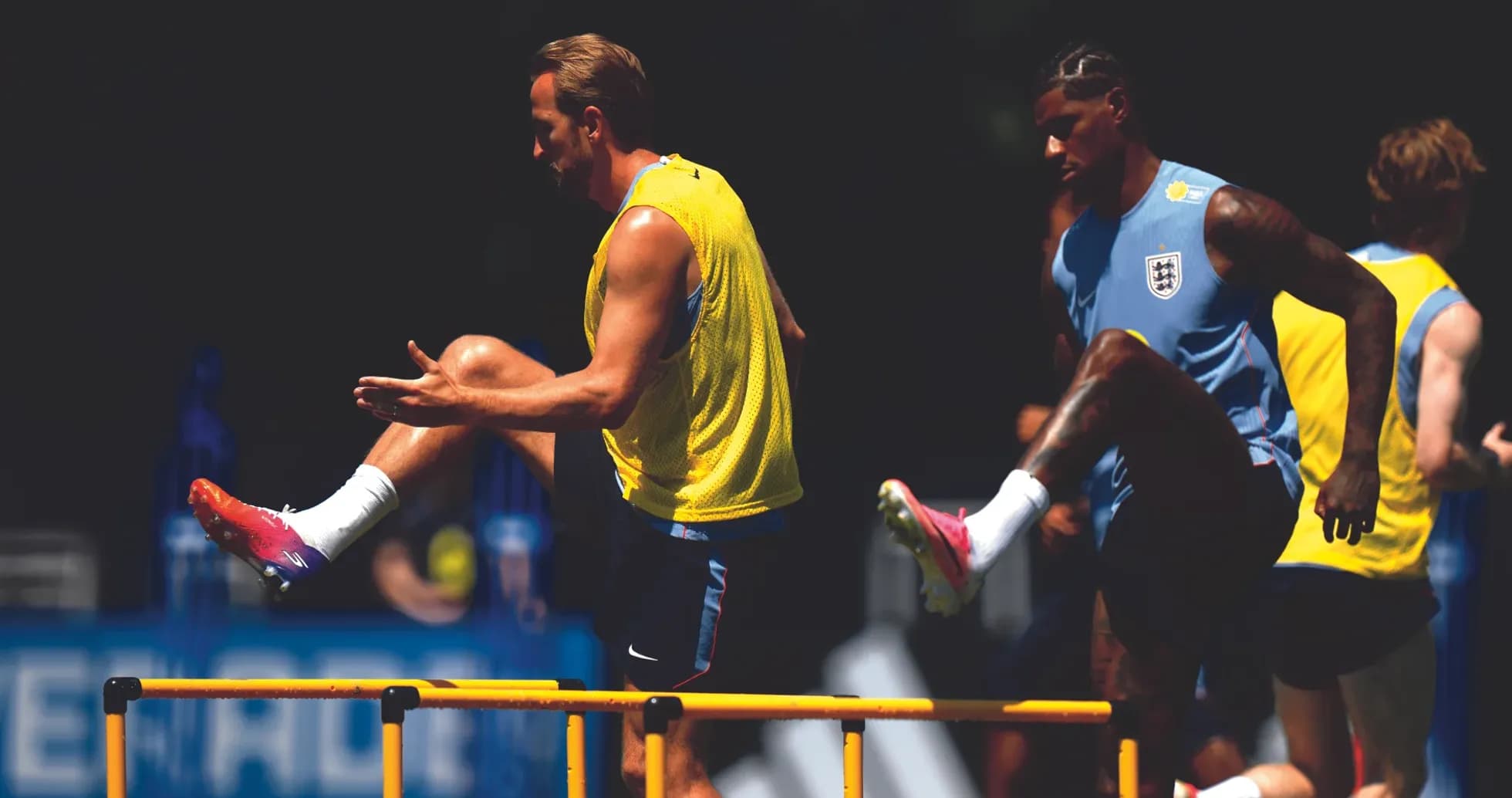
Going forward, England looked like the team their qualifying campaign promised. Combinations clicked, runners flooded the box, and by the second half Croatia simply could not live with the tempo or movement. When the nerves dropped, as Ollie Watkins put it, England “absolutely blew Croatia away.”
But the lingering image from that first half is not of flowing attacks. It is of a back four that looked raw, jittery and vulnerable whenever Croatia turned up the pressure.
This is the contradiction at the heart of Tuchel’s England. They cruised through qualifying without conceding a single goal in eight matches. On paper, that should silence any debate. On the pitch in Texas, it did the opposite.
A back line built on thin ice
Tuchel has taken a calculated gamble with his defensive selection. He left three of England’s most seasoned tournament defenders at home: Trent Alexander-Arnold, Luke Shaw and Harry Maguire. All three have lived the scrutiny and suffocating pressure of major finals and knockout ties. All three are watching this one on television.
In their place, England travel light on experience and heavy on question marks.
Tino Livramento’s injury before the tournament even began forced Tuchel to draft in Trevoh Chalobah, who arrived with a single cap. Across the entire 26-man squad, the nine defenders share 191 caps between them. John Stones accounts for 90 of those on his own.
Strip Stones out and the numbers are stark. This is not a back line that has been through many storms together.
Against Croatia, three of the back four were making their World Cup debuts: the injury-prone Reece James, Ezri Konsa and 21-year-old Nico O’Reilly. On this stage, under this glare, they looked exactly what they are – talented, but new to the chaos of a World Cup opener.
Former England defender Gary Neville, watching on as a pundit, did not hide his concern. That first-half display, he suggested, will have rattled the coaching staff and forced Tuchel into some hard thinking about how he protects his back line in “games two and three.”
The Stones question
At the centre of the debate sits Stones himself. Tuchel trusts him. He values the calm on the ball, the ability to step into midfield, the experience of winning titles with Manchester City. Even though Stones started just five Premier League games last season before leaving City, his presence offers a kind of emotional ballast in a young group.
But not everyone is convinced he should start.
Chris Sutton has argued that Tuchel should lean into youth and athleticism, pairing Konsa with Marc Guehi in central defence and leaving Stones out. For Sutton, the modern World Cup is defined by one-against-one duels in wide open spaces, particularly against the likes of France, Spain and Argentina. In those moments, he believes Konsa and Guehi have the edge.
“I think Konsa and Guehi have better attributes in terms of one-against-one situations than John Stones,” Sutton said, pointing to the reality that England’s defenders will at times be isolated against “players of the highest class.”
Tuchel’s dilemma is clear. Stick with the old head who has seen it all, or double down on the mobility and aggression of his younger centre-backs. The answer may define how far England travel in this tournament.
Inside the camp, no panic
While pundits pick apart the back four, the mood among the players remains defiantly relaxed. Watkins, speaking at England’s base in Kansas City, dismissed the noise around the defence.
He pointed to the medals and stages many of them have already experienced. “We’ve got world-class players at the end of the day who have won major trophies and played at the highest level possible,” he said. For him, the shaky start against Croatia was more about nerves than structural flaws.
There is some truth in that. World Cup openers often look like this: tense, scrappy, full of errors. Once England settled, the difference in quality told. The question is whether nerves alone explain the gaps Croatia exploited, or whether those gaps will widen against faster, sharper opponents.
Because they are coming.
Ghana next, and then the real test
Next up are Ghana in Boston. The equation is simple: beat the African side and, if Panama fail to beat Croatia, England go through as Group L winners and secure their place in the last 32.
On the surface, it looks like a manageable assignment. Ghana lack the depth and European pedigree of the giants waiting later in the draw. But they do bring what Croatia largely lacked: pace. Runners who can stretch that high line, attackers who will relish any hesitation from a still-settling defence.
Tuchel cannot afford another nervy opening. Not with France, Spain and Argentina looming on the horizon, each armed with forwards who punish hesitation and feast on space behind full-backs.
The attack has shown it can score its way out of trouble. The defence has shown it can invite it. Somewhere between Arlington and Boston, England must decide what kind of team they want to be.
Because once the knockout rounds arrive, there will be no room left for experiments at the back.