.svg&w=384&q=75 "naujapitch logo")
Ebola Crisis Disrupts DRC's World Cup Preparations
The Democratic Republic of the Congo’s return to the World Cup has been jolted by a health crisis far from any pitch.
With a rare strain of Ebola – the Bundibugyo variant – surging in the east of the country, the federation has scrapped a three‑day training camp and farewell ceremony in Kinshasa, forcing Sébastien Desabre’s squad to complete their preparations entirely abroad.
Farewell cancelled, plan rewritten
The Leopards were due to gather in the capital to say goodbye to their supporters before flying out, a symbolic send‑off for a team returning to football’s biggest stage for the first time since 1974, when the country competed as Zaïre.
That moment has gone.
An outbreak that has caused nearly 600 suspected cases and is believed to have killed more than 130 people has been declared a public health emergency of international concern by the World Health Organization. Against that backdrop, the federation has pulled the plug on the Kinshasa leg of their build‑up.
“There were three stages of preparation: in Kinshasa to say goodbye to the public, Belgium and Spain with two friendly matches … and the third stage from 11 June in Houston. Only one stage was cancelled – the one in Kinshasa,” team spokesman Jerry Kalemo said.
The rest of the schedule stands. DRC will face Denmark in Liège on 3 June, then Chile in southern Spain on 9 June, before heading to the United States on 11 June to settle into their World Cup base.
Ebola outbreak collides with World Cup security
The health emergency has triggered a wider response. The Centers for Disease Control and Prevention announced that the United States will bar entry to all foreign nationals who have been in the DRC, Uganda or South Sudan in the previous three weeks, a 30‑day measure aimed at containing the spread of the virus.
For Desabre’s squad, there is a crucial detail: all players and the French coach are based outside the country, many of them in France, and have been training in Europe for several weeks. A US official confirmed that the national team will not be caught by the CDC ban, as long as players, coaches and officials have not returned to the DRC within that 21‑day window.
Those who have – members of the wider World Cup delegation who did go back during that period – will face the same quarantine rules as US citizens coming from affected countries. Fans hoping to travel from the region will not enjoy that exemption and will be subject to the full entry ban.
Fifa has moved into monitoring mode, saying it “is aware of and monitoring the situation regarding an Ebola outbreak and is in close communication with the DRC football association [Fecofa] to ensure that the team are made aware of all medical and security guidance.”
Inside the US government, the White House World Cup taskforce, under the Department of Homeland Security, has stressed that it is “coordinating closely” with multiple agencies on health and security and is “closely monitoring” the outbreak as the tournament approaches.
A long-awaited return on the pitch
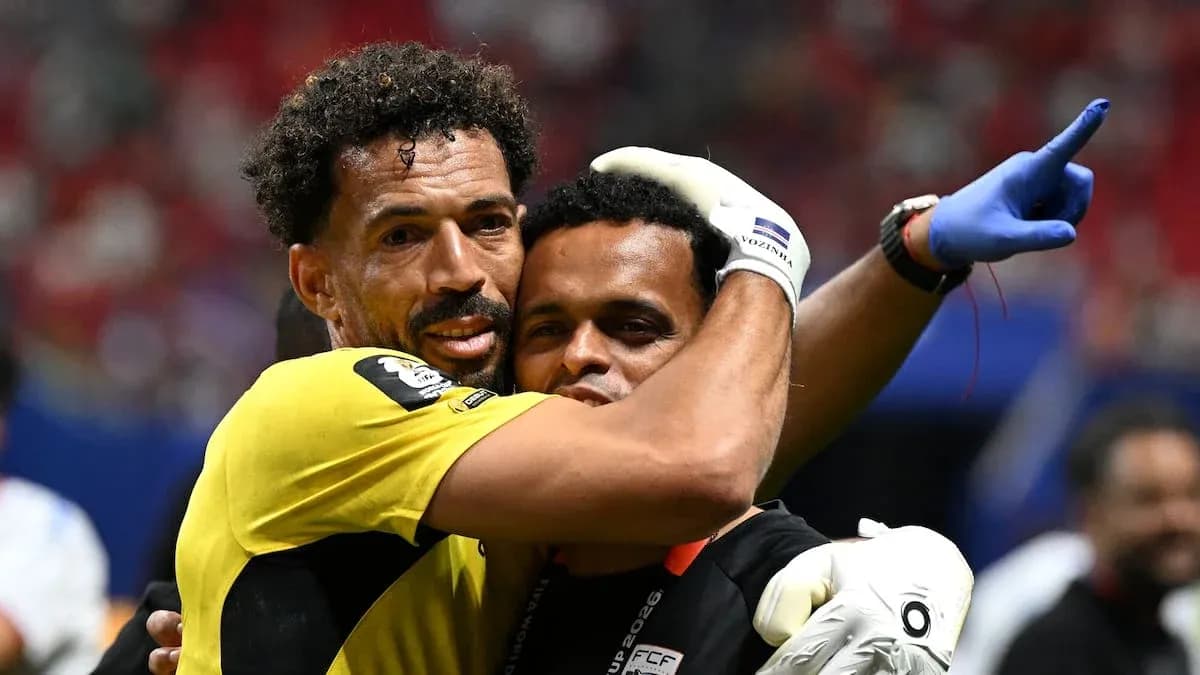
On the field, the story remains a compelling one. DRC clinched their World Cup place by beating Jamaica in a playoff in Mexico and have been drawn in Group K. The opener is a daunting assignment: Portugal in Houston on 17 June.
After that, the Leopards move to Guadalajara to face Colombia on 23 June, then to Atlanta to meet Uzbekistan on 27 June. A sprawling itinerary for a team that has waited half a century to come back to this level.
Desabre’s 26‑man squad reflects the country’s diaspora. Newcastle forward Yoane Wissa, Sunderland midfielder Noah Sadiki and West Ham full‑back Aaron Wan-Bissaka headline a group drawn largely from European leagues.
There has already been one enforced change. Hibernian centre-back Rocky Bushiri, initially named in the squad, has withdrawn with a suspected achilles injury. His place goes to another Scottish Premiership player, Kilmarnock’s Aaron Tshibola, adding fresh legs and a familiar league profile to the defensive options.
Power shift at Fecofa
Off the pitch, there has been a significant move in the federation’s hierarchy. Véron Mosengo-Omba, formerly the general secretary of the Confederation of African Football, has been elected president of Fecofa.
He stood unopposed and received 60 of a possible 65 votes, stepping into the role just months after leaving Caf, where he served for five years. A long-time ally of Fifa president Gianni Infantino – the pair were university friends before working together at Uefa, then Fifa – Mosengo-Omba moved to Caf in 2021 and now returns home to lead the national game.
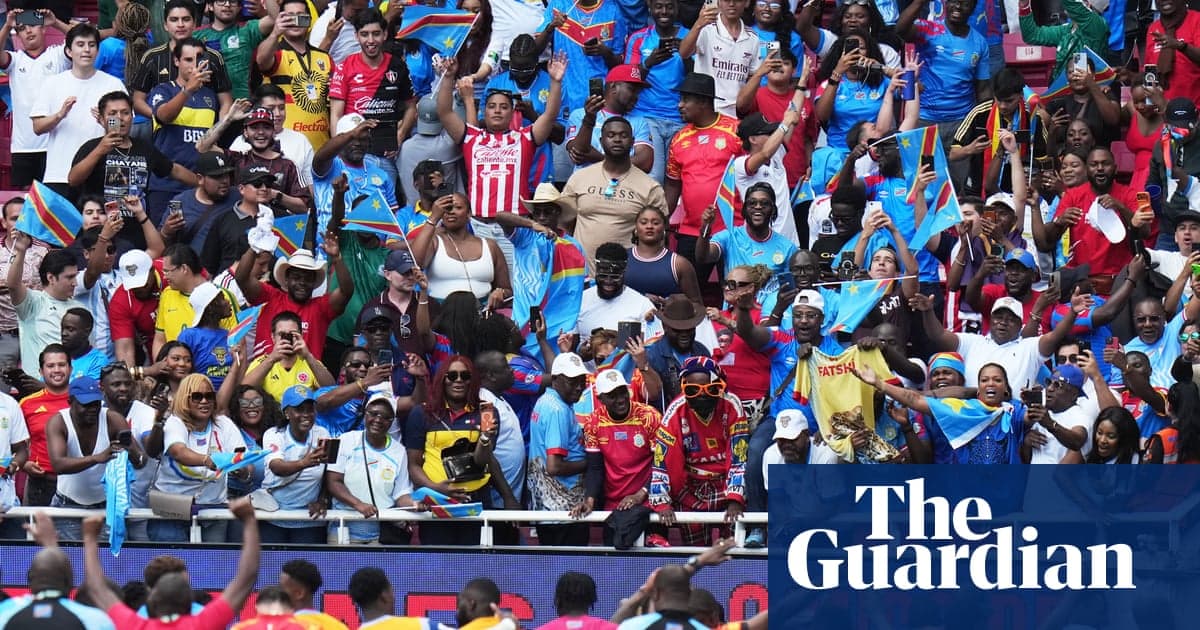
His tenure begins in unusual circumstances: a historic World Cup return overshadowed by a deadly outbreak, a national team preparing in exile, and a fanbase denied the chance to say goodbye in person.
The football will go ahead. The question is how far this group, shaped abroad and steeled by turbulence at home, can carry the Leopards’ colours on a stage they have not seen since 1974.