.svg&w=384&q=75 "naujapitch logo")
Darwin Nunez's Liverpool Future: A New Era Awaits
Jurgen Klopp once called it “heavy metal football” and built a Liverpool side that rattled Europe. Premier League title. Champions League crown. Relentless noise.
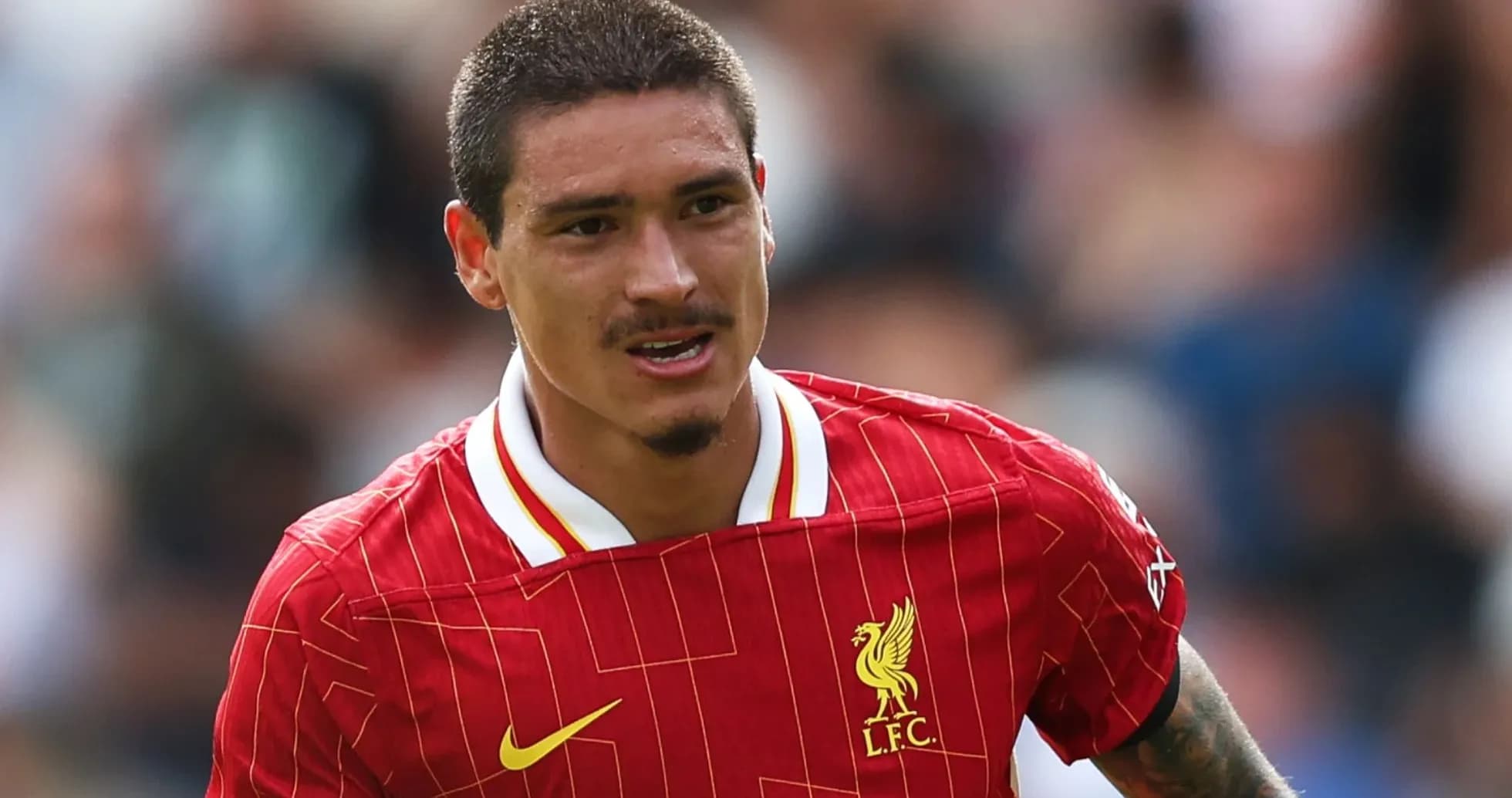
Into that chaos stepped Darwin Nunez, the raw, restless forward from South America, signed from Benfica in 2022 for £64 million. He was supposed to be the next great Anfield striker. He became something else.
Not a failure. Not a superstar. Something in between.
Across 143 appearances he scored 40 goals, tore around the pitch, terrified defenders, and exhausted his own supporters in equal measure. The Kop sang his name, but often with a wry smile. He was a cult figure, not the cornerstone of a new era.
By 2025, with Klopp still in charge, Liverpool cashed in. Nunez headed for the riches of Saudi Arabia, joining Cristiano Ronaldo and the cluster of European names drawn to the Middle East. It looked like a soft landing. It has not been.
At Al-Hilal, foreign-player limits bit hard. Nunez found himself squeezed out of the domestic squad, reduced from marquee signing to expendable asset. Now, at 26, he has been told he can find a new club. The talk, inevitably, loops back to Merseyside.
Could there really be a Liverpool return?
Barnes draws a line under the Klopp era
John Barnes, never shy of a firm opinion, does not see a romantic reunion. Speaking to GOAL in association with viagogo’s “World Cuts” campaign, the Liverpool great cut straight through the nostalgia.
“Not if Iraola doesn't want to play in that way,” he said, laying the responsibility squarely at the feet of the new manager. If Andoni Iraola wants chaos in his forward line, if he wants that wild, unpredictable edge, Nunez fits. If he wants control, structure, order, the answer is simple: Nunez does not come back.
And that, for Barnes, is the point. This is no longer Klopp’s Liverpool. The German may have embraced Nunez’s volatility, may even have argued for his return under different circumstances, but Klopp was in charge when Nunez left. Whatever the internal reasoning, the separation happened on his watch.
Barnes is adamant: Liverpool cannot live off the Klopp legacy. Not in style, not in recruitment, not in expectation.
“The new manager, however he wants to play, quick, slow, chaotic, non-chaotic, slow in possession, dynamic, heavy metal, we have to do what the manager wants and back him,” he insisted. The message is blunt. The era of looking over a new manager’s shoulder and asking, “What would Jurgen do?” has to end.
Patience, not panic
Barnes points to Arsenal and Mikel Arteta as the modern example of how faith can reshape a club. Eighth in his first season. Eighth again. Fifth after that. The knives could have been out at any point. Instead, Arsenal backed their man and now sit as a serious force.
“Owners and chief executives and hierarchy don't sack managers, fans do,” Barnes said. It is a line loaded with experience. He believes the supporters’ loss of faith forced Liverpool’s hand with Arne Slot. Once the mood turned, the decision followed.
So the warning is clear. If Iraola starts slowly, if two or three early defeats arrive, Liverpool must resist the reflex to rip everything up. Barnes reaches for the Manchester United example: David Moyes, Louis van Gaal, Jose Mourinho, all measured against Sir Alex Ferguson’s shadow and all found wanting by that impossible standard.
If Liverpool cling to Klopp in the same way, Barnes argues, they will simply burn through managers without building anything new.
Forget the ghost of heavy metal football. Embrace whatever comes next.
Transfers, trust and the Nunez question
This summer only sharpens the debate. Salah has gone. Ibrahima Konate has gone. Andy Robertson has gone. Three pillars of the Klopp era, all departed as free agents. The instinct around any elite club in that position is obvious: spend.
Barnes is not convinced that is the cure.
He points back to the brief Slot era. Federico Chiesa and Wataru Endo arrived, barely featured, and Liverpool still won the league. Then came another wave of signings, four players for a combined £400 million. The outcome? It did not work.
So he asks the uncomfortable question: is signing players always the solution?
“We have enough players. We have good enough players,” he argued. If a centre-back is needed, fine, buy a centre-back. But stockpiling talent for the sake of it carries a cost.
Barnes namechecks Yan Diomande as a potential arrival and immediately wonders what that would mean for Rio Ngumoha, one of the club’s brightest young prospects. Block his path and you might win the transfer window headlines, but lose something more important in the long run.
For him, the priority is clear. Trust the squad. Trust the manager. Strengthen only where the plan demands it, not where anxiety shouts loudest.
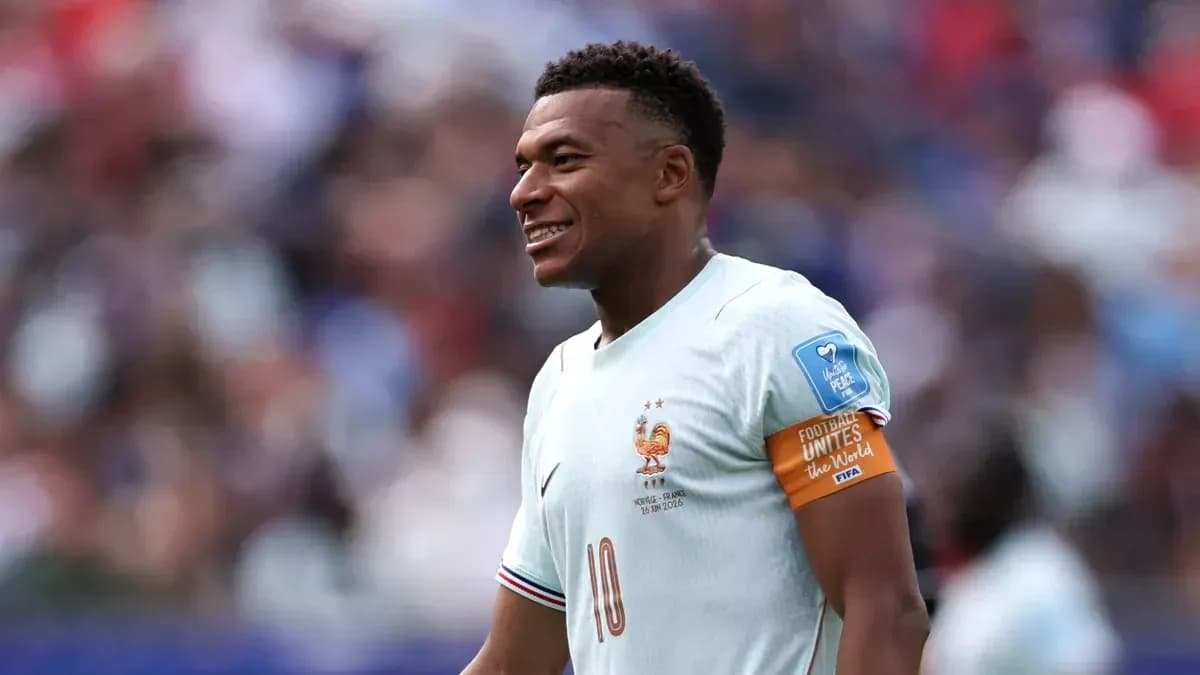
That circles back to Nunez. Liverpool do not lack forwards. They lack clarity over how Iraola wants them to play. Nunez, now sporting a braided look at the 2026 World Cup, remains a compelling figure: quick, powerful, chaotic, still young enough to be reshaped.
But Barnes has drawn the line. Nunez is not a symbol of the past to be reclaimed. He is a tactical decision. Nothing more, nothing less.
If Iraola wants that streak of madness in his front line, the door is there to be opened. If he wants control, the chapter is already closed.
Liverpool now stand at the hinge of eras, with Klopp gone, stars departed and a new manager trying to write his own story. The real question is not whether Darwin Nunez comes back.
It is whether Liverpool are ready to stop chasing what they were and finally commit to what they might become.