.svg&w=384&q=75 "naujapitch logo")
Colombia Advances to World Cup Round of 16 with Victory Over Ghana
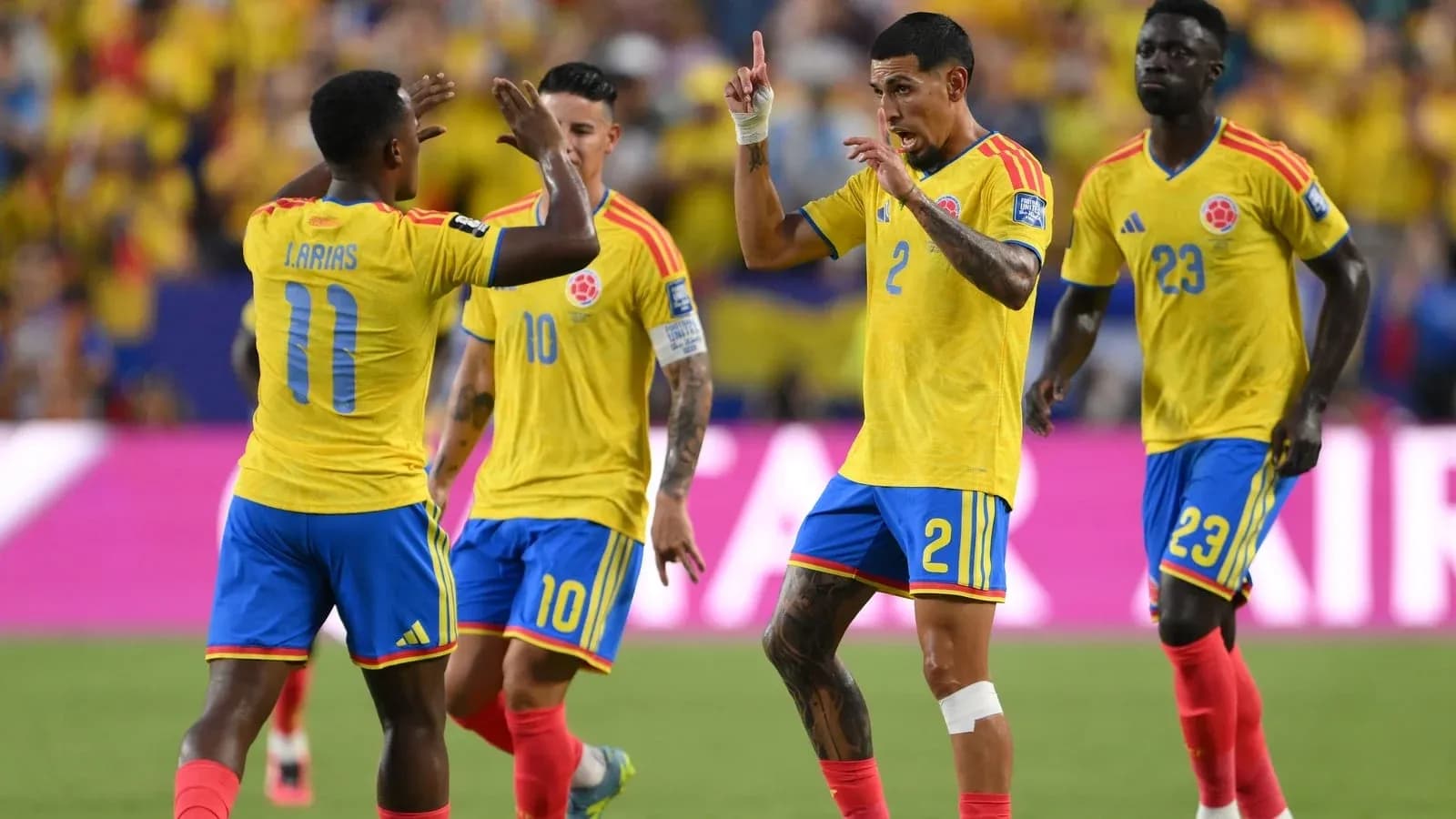
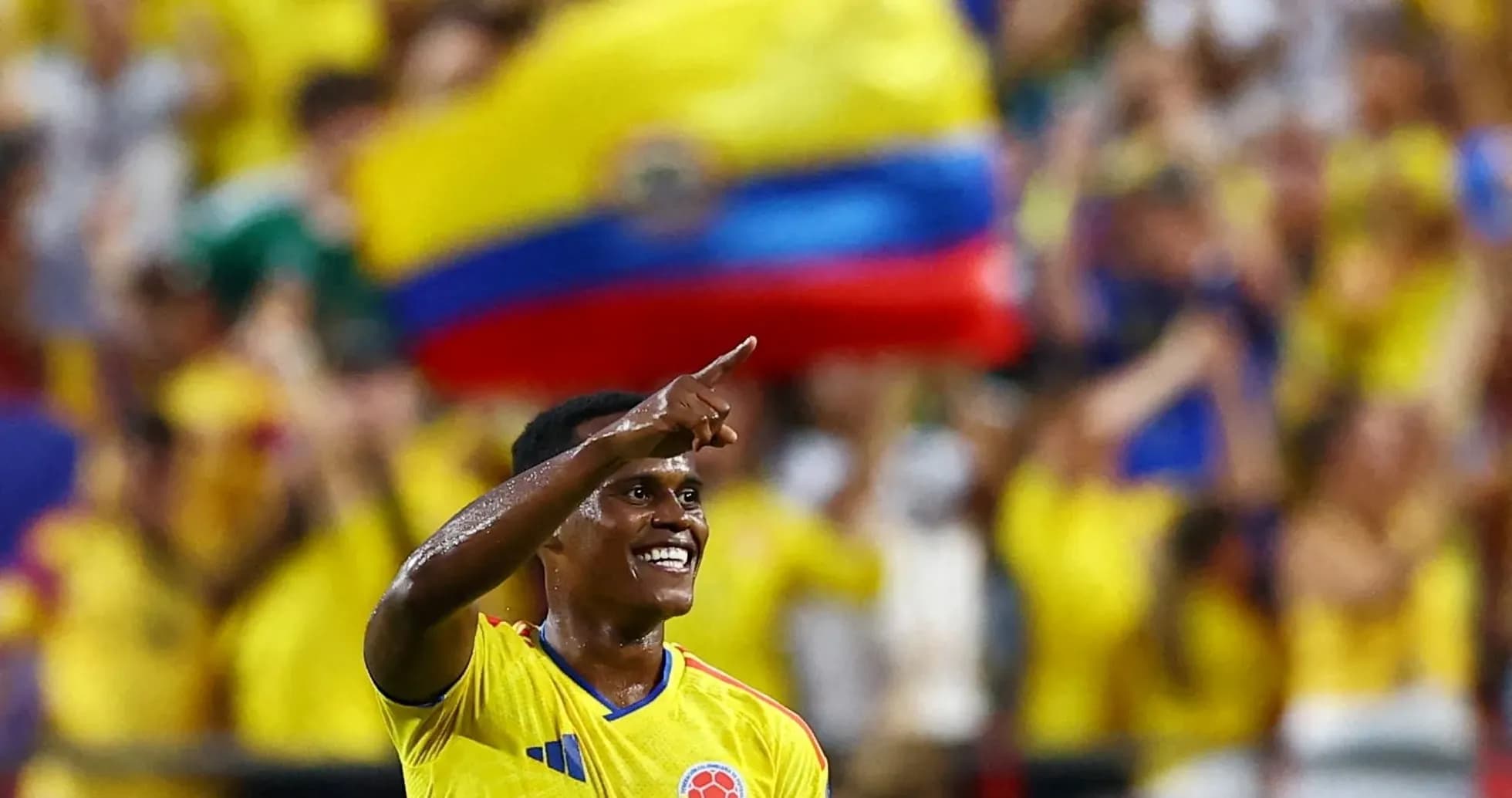
Jhon Arias needed only one chance.
In the stifling Kansas City heat, with Colombia still feeling their way into a knockout tie that could define their World Cup, the winger ghosted into space at the back post and passed the ball into the far corner. One clean contact in the 14th minute. One goal. One ticket to the round of 16.
Colombia 1, Ghana 0. Job done. Statement made.
A quiet contender turns up the volume
Nestor Lorenzo’s side arrived in the last 32 without fanfare, unbeaten but largely unheralded after navigating a tricky Group K featuring Portugal, Uzbekistan and DR Congo. The numbers were tidy, the performances controlled, yet the wider world still treated them as background noise.
They don’t feel like background noise anymore.
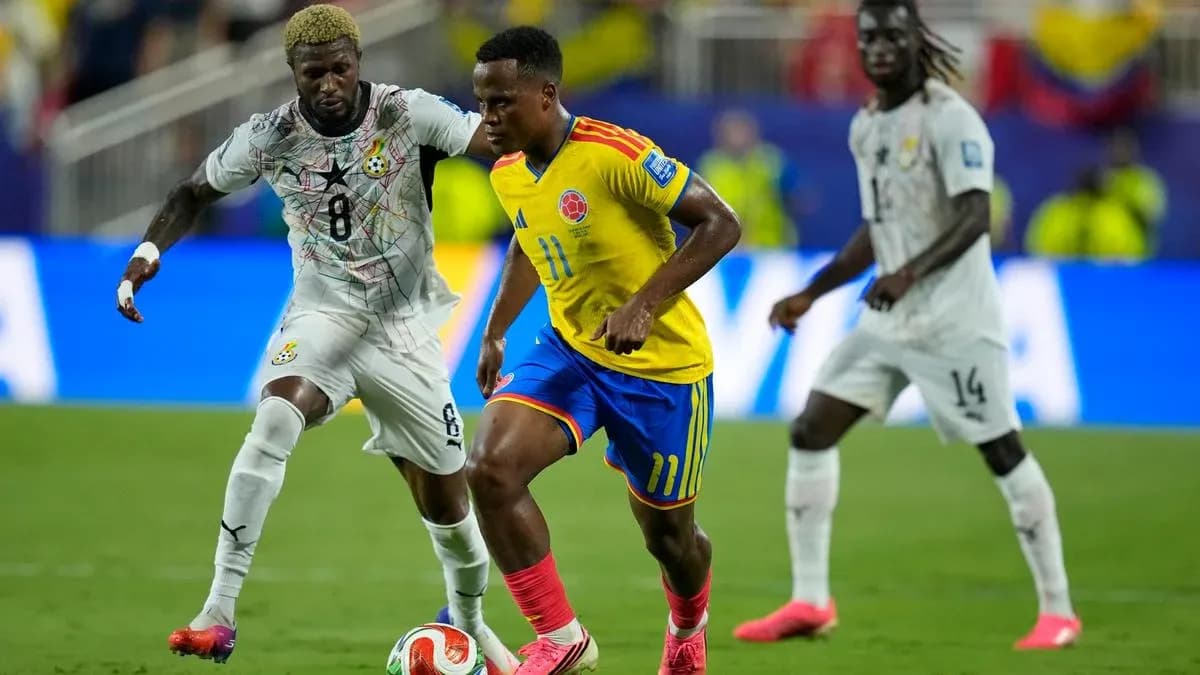
From the first whistle, the match belonged to Colombia – on the pitch and in the stands. Kansas City morphed into a slice of Barranquilla, a blistering 30-degree cauldron painted in yellow. Tens of thousands of Colombia supporters turned a neutral venue into a home fortress, out-singing and out-dancing everything Ghana could offer.
The crowd didn’t just watch. They pulsed. Scarves twirled, black-and-white sombrero vueltiao hats doubled as makeshift fans, and a rolling chorus of “Vamos Colombia! Esta noche tenemos que ganar!” rattled around the stadium. The players responded with a performance that was as assured as it was intense.
An early injury, an unlikely combination
The plan had to change almost immediately. Jhon Cordoba pulled up with what looked like a groin problem in the eighth minute, forcing Lorenzo into a reshuffle he hadn’t wanted this early. Luis Suarez stepped off the bench, still cold, and into a game that was already being played at a punishing tempo.
Six minutes later, he had altered Colombia’s tournament.
Suarez peeled wide and, with the kind of composure usually reserved for seasoned starters, shaped a perfect cross to the far post. Ghana’s defence lost Arias for a crucial heartbeat. That was all the invitation he needed. With time to choose his finish, he simply guided the ball into the bottom corner, side-footed and precise, beyond the reach of Lawrence Ati-Zigi.
It was a goal that summed up this Colombia: opportunistic, sharp, and ruthless when the door opens even a fraction.
Diaz threatens, Ghana hang on
Once in front, Colombia never really looked back. They controlled the tempo, pinned Ghana deeper, and allowed their forwards to probe the gaps with growing confidence.
Luis Diaz, as ever, was at the heart of it. He sliced into the side netting in the first half, a reminder of the danger he carries when he drifts inside. After the break he thought he had settled it, arriving to finish Arias’s cross with trademark calm, only to see the flag go up. Offside. No second goal. No release of tension.
Instead, the game tightened.
Colombia kept coming. Diaz buzzed between the lines, Suarez continued to offer width and craft, and Arias remained a constant outlet. The South Americans pushed for the cushion that would allow them to breathe, but Ati-Zigi refused to yield. The Ghana goalkeeper, under siege in the closing stages, produced a string of sharp saves, parrying low drives and clawing away crosses as the clock ticked down.
Every Colombia pass in those final minutes drew a roar. Every interception, every recycled attack, felt like a small victory in itself.
Ghana’s resistance meets Colombia’s wall
For Ghana, ranked 60 places below their opponents, the path to an upset ran through the power and directness of Antoine Semenyo. He was their sharpest weapon, constantly looking to spin in behind or drive at the heart of Colombia’s defence.
He never found the clear opening he craved.
Colombia’s back line, drilled and disciplined, squeezed the space, tracked the runs and refused to panic. They didn’t need last-ditch heroics; they just needed concentration. Semenyo was kept on the fringes, dangerous but distant, emblematic of a Ghana side that battled but couldn’t quite break the structure in front of them.
The pressure from Ghana grew only in flickers. The pressure from Colombia felt permanent.
South America’s dangerous outsiders
When the final whistle came, Colombia had more than a narrow win. They had validation.
They now stand as the fourth South American nation in the last 16, joining a resurgent Paraguay, who stunned Germany, alongside the heavyweight duo of Brazil and Argentina, both of whom have already survived their own scares. In that company, Colombia still carry the “outsider” tag, but it sits differently now. Less afterthought, more dark horse.
Their best World Cup finish remains the quarterfinal run of 2014. This group is beginning to look like it has the tools to at least ask the question of history.
Next up: Switzerland in Vancouver on Tuesday. Cooler air, different continent, new test. The unbeaten run is intact. The belief is growing. And with a fanbase that can turn any city into home, Colombia travel knowing one thing:
They are no longer under the radar.