.svg&w=384&q=75 "naujapitch logo")
Chelsea's Struggles: From Trophies to Turmoil
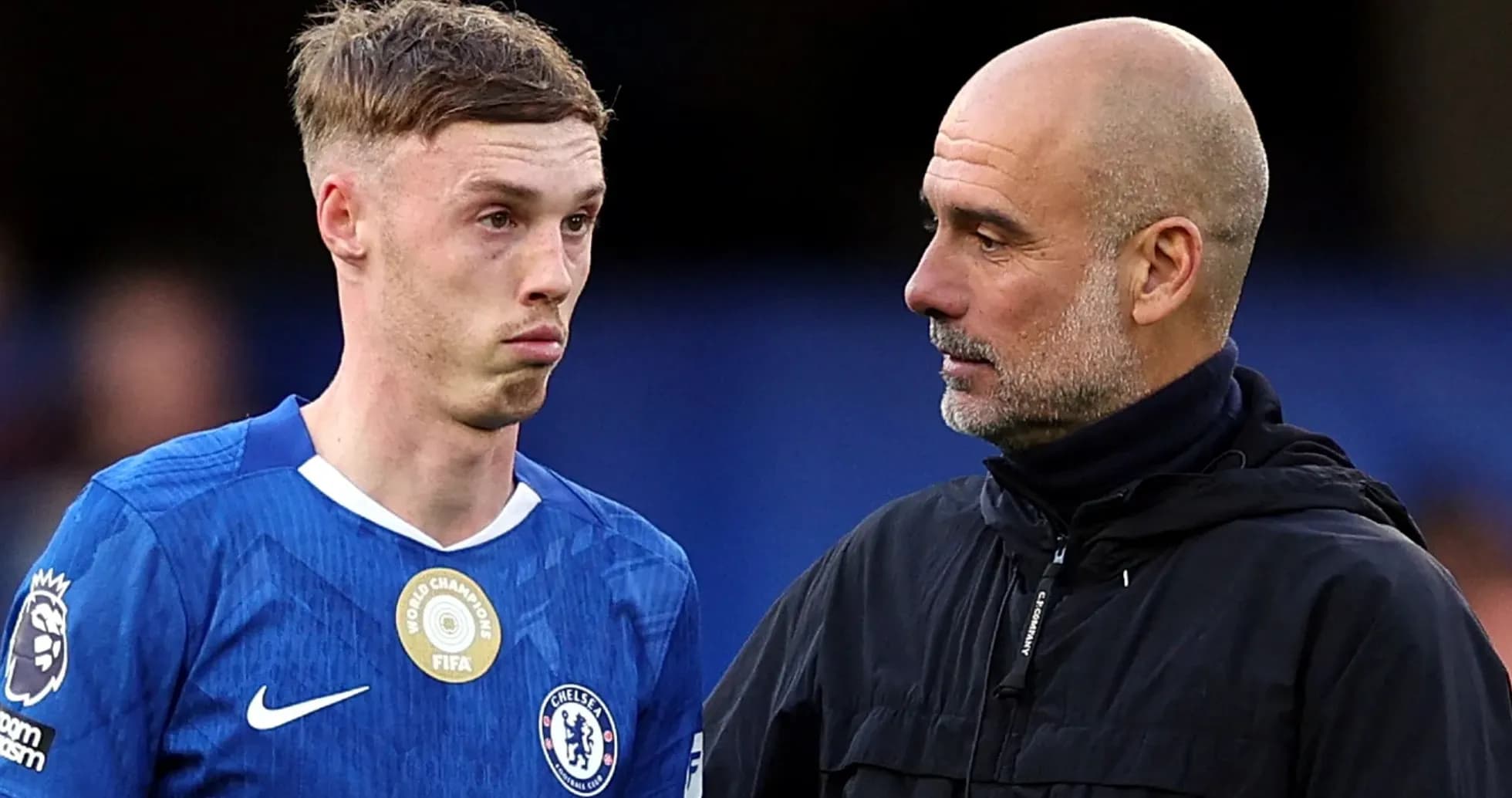
Ruud Gullit has seen enough. From a distance, the man who once strode the Stamford Bridge touchline as player-manager can recognise a club that has lost its way.
Chelsea, 12 months removed from a season crowned by the UEFA Europa Conference League and FIFA Club World Cup, and gilded by Champions League qualification, are now staring at the prospect of a year without European football of any kind. Ninth in the Premier League, inconsistent, restless, and once again staring into the mirror, wondering what exactly they have become.
From trophies to turmoil
The fall has been swift. Last season’s high points suggested a project ready to kick on; instead, Chelsea have stumbled. The ownership has not been shy in the market, pouring money into potential and future resale value. The price has been paid in the present.
Pedigree has often been overlooked in favour of promise. The squad is stacked with talent, but light on scars and know-how. The result has been a team that veers from the exhilarating to the naïve, sometimes in the same half, and a dugout that has become a revolving door.
Enzo Maresca came and went. Liam Rosenior followed and also departed. Calum McFarlane now holds the reins on a caretaker basis, a steady hand in a storm he did not create. To his credit, he has guided Chelsea to the FA Cup final, a shot at major silverware that could change the tone of a bruising season in a single afternoon.
Beat Manchester City at Wembley on May 16 and Chelsea not only lift the FA Cup; they also punch a ticket to the 2026-27 Europa League. For a club of their stature, it would feel like a consolation prize. In the current climate, it would be a lifeline.
Gullit’s warning
Gullit, who delivered FA Cup glory to Chelsea in 1997, does not sugarcoat the situation. When asked whether Chelsea are becoming an unappealing proposition for elite coaches, he was blunt.
“Yes, because any manager would see what I see and say: ‘I need experienced players. I need a Casemiro, a [Aurelien] Tchouameni. I need these types of players in midfield. I need this kind of experience alongside the young talent’. And if you don't have them, it's going to be a problem.”
This is the heart of his critique. Chelsea’s model leans heavily into youth, into upside, into the idea of building a squad that will peak in three or four years. Managers, especially those at the top of the game, live in the here and now. They want balance. They want leaders. They want the type of hardened midfielders Gullit namechecks, players who drag a team through difficult moments rather than learn on the job during them.
Then comes the line that will sting in west London.
“The only thing that is certain for a Chelsea manager is that he gets fired. That's the only certainty. And as a coach you have to learn to adapt to the club's philosophy. Does it match yours? And do you get the players you need to do what you want to do?”
That reputation matters. It lingers. It makes even the brightest job in theory feel like a short-term gamble in practice.
Gullit draws a sharp contrast with the environment enjoyed by the game’s most decorated coaches.
“Pep Guardiola got all the players he wanted. That's why he's been successful. But if you told Pep, ‘Deal with what we give you’, he wouldn't come. Mourinho wouldn't come. Klopp wouldn't come. [Carlo] Ancelotti wouldn't come. These are people who know exactly what the right formula is.”
The message is clear: if Chelsea want a coach of that calibre, they must offer more than a project and a pay cheque. They must offer control, alignment, and a squad built to win, not just to appreciate in value.
An uneasy audition
On the pitch, the picture remains muddled. Chelsea snapped a six-game losing streak in the league with a 1-1 draw against Liverpool, a result that felt more like a pause in the slide than a full stop. The performance steadied nerves but did not erase the doubts.
Two Premier League fixtures remain after the FA Cup final. Tottenham, fighting for their lives at the wrong end of the table, arrive at Stamford Bridge next. Then comes a final-day trip to Sunderland. In theory, Chelsea can still clamber into the top seven. In reality, the odds are long and the margin for error non-existent.
Every minute between now and the end of the season doubles as an audition – for players and for the club itself. Prospective managers are watching. So are potential signings.
Names such as Cesc Fabregas, Xabi Alonso, Andoni Iraola and Marco Silva have all been linked to the role. Each brings a distinct identity, a clear idea of how their teams should play, and growing reputations in the European game. On paper, Chelsea remain one of the grand stages. In practice, the spotlight is harsh and the trapdoor always seems half-open.
Any new man will walk into a job where patience is thin and expectation remains enormous. He will inherit a young, gifted squad that still lacks the spine Gullit insists is essential. He will know that one poor run could see him added to a long list of predecessors, praised briefly, then pushed aside.
Chelsea can still rescue something tangible from this season at Wembley. They can still change the narrative, at least temporarily, with a trophy lift and a Europa League berth. But as the club weigh up their next permanent appointment and the recruitment that must follow, one question looms over everything Gullit has said.
Will the next Chelsea manager be given the tools and time to build, or simply handed the clock and told it’s already ticking?