.svg&w=384&q=75 "naujapitch logo")
Brazil vs Morocco: A High-Stakes Clash in New Jersey
The World Cup’s first whistle for Group C will slice through the New York New Jersey Stadium night on 13 June 2026 at 22:00 GMT (18:00 EST. One game in, and both Brazil and Morocco already stand on the edge of a cliff.
This is not a gentle introduction. It’s a stress test.
Brazil’s new era under Ancelotti
Brazil arrive in North America with their aura slightly dented and their expectations sky-high. CONMEBOL qualifying exposed every crack. A 4-1 humiliation against Argentina, a slide down the table, a team that looked more like a collection of stars than a functioning side.
That chaos forced a reset. The response was seismic: Carlo Ancelotti.
The Italian steps into the World Cup as Brazil’s first major foreign manager in decades, charged with turning raw brilliance into structure without killing the samba. He inherited a side stuck in fourth place on 21 points and under heavy scrutiny. By the end of qualifying, Brazil had steadied enough to secure fifth and keep their perfect World Cup attendance intact. It wasn’t glamorous. It was survival.
Now comes the real judgment.
Ancelotti’s blueprint is clear. A 4-2-3-1 that can snap into a vertical, counter-attacking machine the second Brazil win the ball. Midfielders are told to look up, not sideways. No indulgent horseshoe passing, no sterile domination. Recover, punch forward, hit space before it closes.
The risk sits behind that ambition. When Brazil’s full-backs surge, the double pivot must protect Marquinhos and Gabriel Magalhães. If they don’t, Morocco’s runners will feast.
The squad is loaded with European pedigree. Alisson and Ederson fight for the gloves. Marquinhos, now captain, anchors the back line with Arsenal’s Gabriel. Bruno Guimarães, Casemiro, Fabinho and Lucas Paquetá form a midfield unit capable of both steel and silk.
Up front, the story sharpens.
Neymar Jr. is back on the World Cup stage after a two-and-a-half-year international absence, but not at full throttle. A minor muscle edema picked up with Santos has wrapped his return in doubt and caution. Ancelotti and the medical staff are managing him individually, keeping him in camp but potentially shielding him for later in the tournament.
So the keys slide decisively into new hands.
Vinicius Junior, now a Real Madrid superstar and Ballon d’Or contender, becomes the face of Brazil’s attack. On the opposite side, Raphinha arrives in form and in favour. Ancelotti has already hailed him as the finest deep-space attacker in the game and plans to use him in an advanced, flexible midfield role, hovering close to the defensive line, darting into gaps, dragging markers into places they don’t want to go.
Behind them waits a bench stacked with threat: Endrick, Gabriel Martinelli, Matheus Cunha, Luiz Henrique, Igor Thiago, Rayan. Brazil are not short of firepower. They are short of patience back home.
Morocco’s fearless evolution
Across from them stand Morocco, no longer a fairy tale but a fully-fledged contender.
Their route to 2026 could not be more different. Where Brazil stumbled, Morocco stormed. Riding the emotional surge of their historic fourth-place finish at Qatar 2022, the Atlas Lions turned CAF qualifying into a procession.
Under Walid Regragui, they tore through Group E: eight games, eight wins, complete control. Defensive structure, width, ruthless efficiency. They didn’t just qualify; they sent a message to the continent.
Then came another twist. In March 2026, Regragui stepped down, choosing to make way for the team’s next evolution. He left behind a hardened, confident group, already accustomed to punching above their supposed weight.
Into that space stepped Mohamed Ouahbi.
Fast-tracked from the U-20s after guiding them to a global title in 2025, Ouahbi arrives with a reputation for bold tactical tweaks and a fearless trust in youth. Belgium-born, 49, he respects the low block that defined Morocco in 2022, but he doesn’t want to be chained to it.
His Morocco side still defend in numbers and with discipline, yet they now carry a more expansive, vertical edge. A three-man midfield hunts second balls, presses aggressively, and then immediately looks to overload the flanks with full-backs and inverted wingers combining at pace.
The warm-up signs were positive: a 2-1 win over Kosovo, no major injuries, and a squad that looks settled and synchronised.
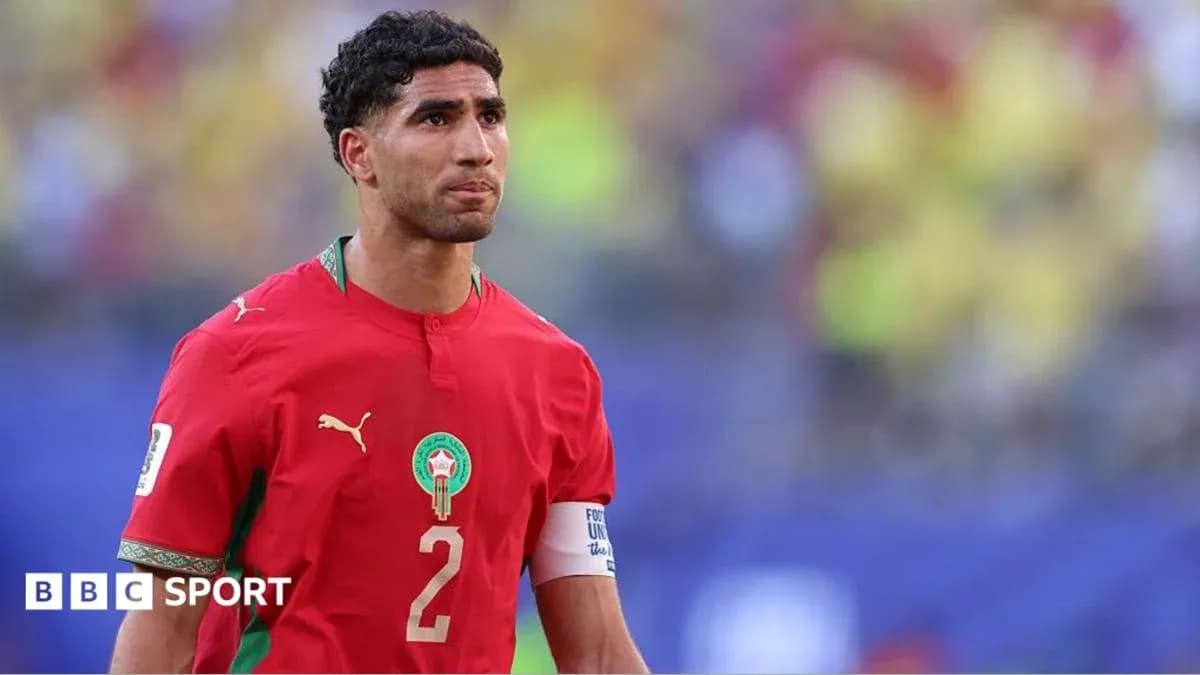
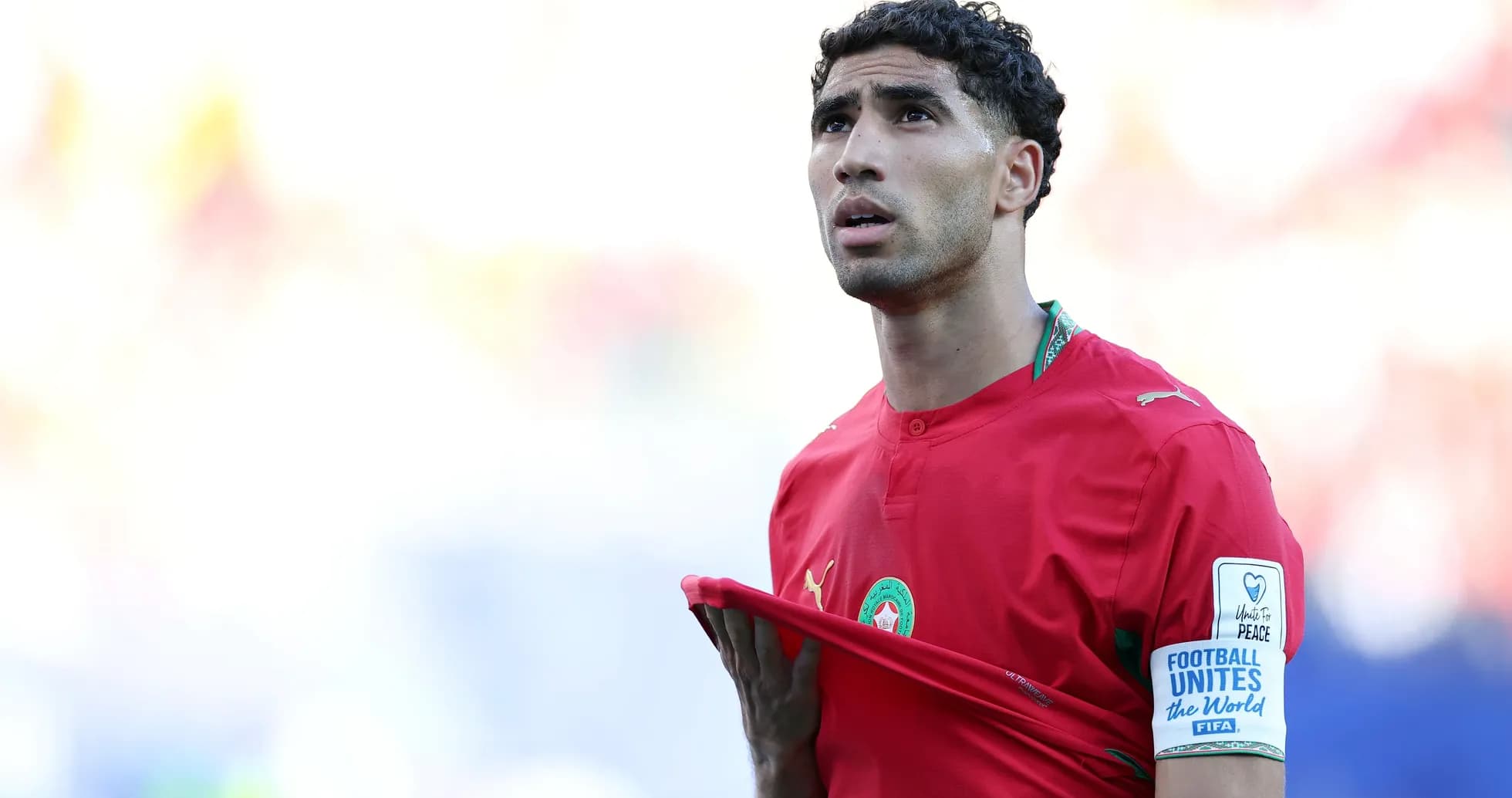
Achraf Hakimi remains the pillar. Paris Saint-Germain’s right-back is the structural heartbeat of this team, responsible for locking down his flank while sparking attacks down the wing. Around him, Nayef Aguerd, Noussair Mazraoui, Chadi Riad and others form a back line that knows suffering is part of the job.
In midfield, Sofyan Amrabat, Azzedine Ounahi, Bilal El Khannouss, Ismael Saibari and Samir El Mourabet bring bite and craft. Up front, Ayoub El Kaabi, Soufiane Rahimi, Abde Ezzalzouli, Brahim Díaz and more offer a varied attacking palette.
Then there are the kids.
Othmane Maamma and Yassir Zabiri, Ouahbi’s teenage U-20 proteges, have made the jump to the senior squad. They are unlikely to start, but their energy off the bench could tilt a tight game. This is a Morocco side that knows its roots and embraces its future.
The stage: Group C’s pressure cooker
Group C is brutal. Scotland, battle-tested and rugged, lurk in the background. Haiti bring energy and chaos. Drop points on opening night, and the entire campaign warps.
For Brazil, this is about more than three points. It’s about proving that Ancelotti’s direct, space-focused system can carry the weight of the yellow shirt. It’s about burying the ghosts of qualification and reasserting their technical supremacy under the New Jersey floodlights.
For Morocco, this is the first examination of a new era. Can a side built on defensive heroics transform into an uninhibited, front-foot machine without losing its soul? Can they stare down Brazil, not as plucky underdogs, but as equals?
The atmosphere will be ferocious. East Rutherford’s state-of-the-art arena, rebadged as the New York New Jersey Stadium, will feel like a global amphitheatre. The opening whistle won’t just start a match; it will trigger a test of nerve, ideas and identity.
Key battles that could decide everything
Vinicius Junior vs Achraf Hakimi
This is box-office football down the flank. Vinicius arrives at the peak of his powers, a winger who doesn’t just beat defenders, he dismantles them. His acceleration, his change of direction, his willingness to attack 1v1s again and again — that’s Brazil’s cutting edge.
Waiting for him is one of the few full-backs on earth who can live in that world.
Hakimi has the recovery pace, the physical strength and the tactical intelligence to go stride for stride. He’ll need all of it. Win this duel, and Morocco tilt the game. Lose it, and Brazil’s left side becomes a runway.
Raphinha vs Morocco’s central block
Ancelotti wants Raphinha operating on the shoulder of the defence, lurking in those awkward pockets between lines. That places a heavy burden on Morocco’s midfield spine.
Sofyan Amrabat will be central to the plan. He has to track Raphinha’s drifting runs, deny him clean touches on the half-turn, and stop him from linking with overlapping full-backs and surging forwards. If Morocco let the Barcelona man receive, turn and look up, the back line will be constantly scrambling.
Gabriel Magalhães vs Youssef En-Nesyri
Inside the box, it becomes a different kind of war. Youssef En-Nesyri thrives on crosses, thrives on contact, thrives on making centre-backs uncomfortable. He will chase every ball, contest every aerial, and refuse to give Gabriel a quiet minute.
For the Arsenal defender, this is about dominance. Win the first contact. Hold the line on set pieces. Clear the danger before Morocco’s second wave arrives. If he falters, Morocco’s delivery from wide areas will become a serious weapon.
The managers on the line
Carlo Ancelotti walks into this tournament with a glittering club résumé but a fresh international slate. His reputation for man-management and tactical flexibility suits a Brazil squad full of egos and genius. His challenge in East Rutherford is simple to state, brutal to execute: unleash the attackers without exposing the back door.
Mohamed Ouahbi steps into the opposite dugout with less fame but just as much conviction. He has already shown he can build a winning machine at youth level. Now he must transpose that intensity and daring to the senior stage, against a team that has haunted World Cups for generations.
One man is chasing legacy. The other is trying to write his first chapter.
When the lights hit the turf in New Jersey and the noise surges, this will not feel like an opening act. It will feel like a knockout night played early, a match where one misstep can send a campaign spinning and one statement can reshape the entire World Cup narrative.