.svg&w=384&q=75 "naujapitch logo")
John Barnes Defends Tuchel's Tactics After World Cup Semi-Final Loss
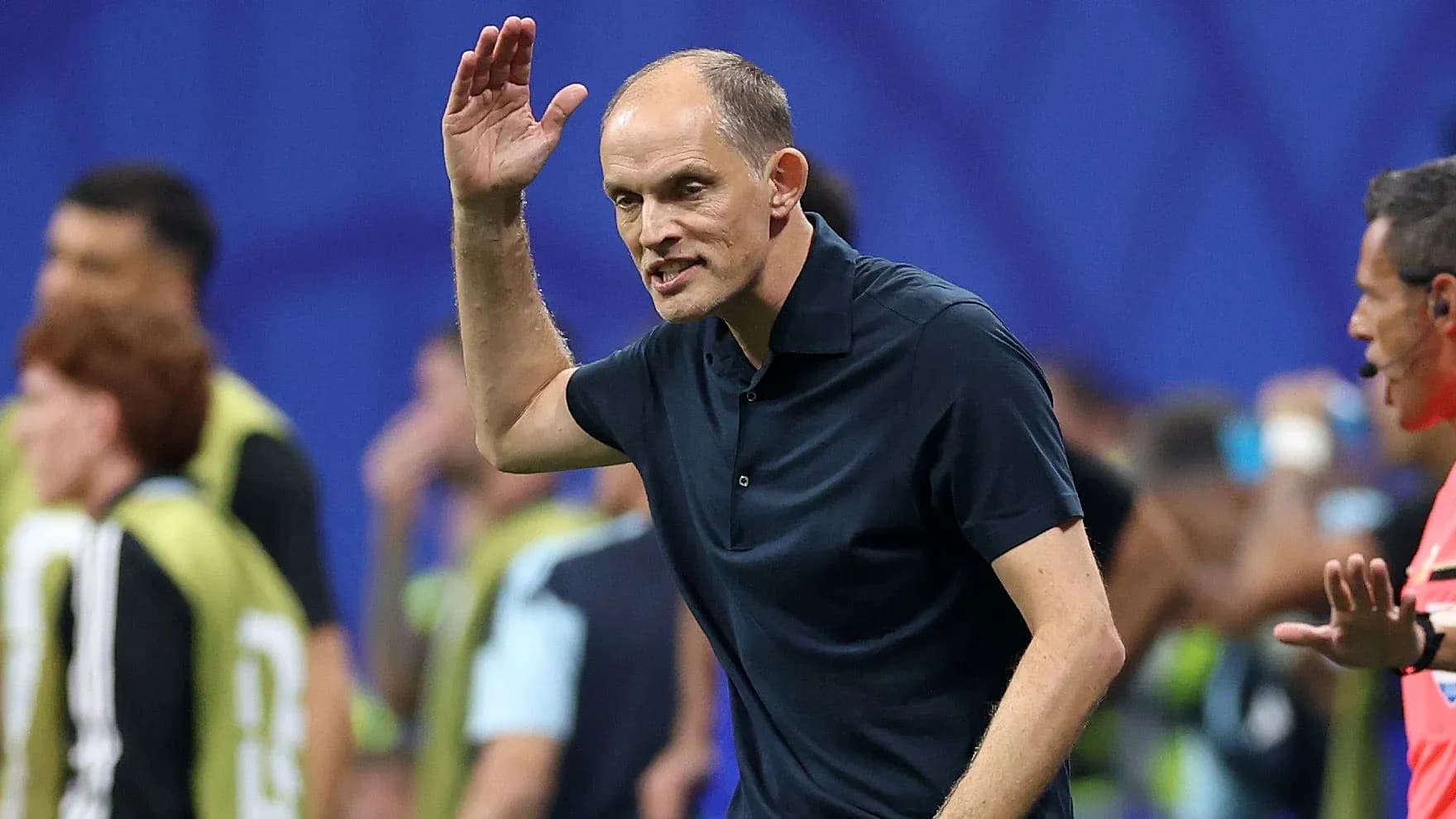
England’s World Cup dream died in the space of a few brutal minutes, a 1-0 lead overturned and a first final since 1966 snatched away by Argentina’s late surge. Enzo Fernandez and Lautaro Martinez flipped the semi-final on its head, and with them, the narrative around Thomas Tuchel’s cautious England.
John Barnes, though, is having none of the outrage.
Barnes backs Tuchel amid backlash
While former England internationals lined up to question Tuchel’s conservative approach once the lead slipped, Barnes moved firmly to the manager’s side. For him, the game unfolded exactly as it had to for an England team that, he insists, must be judged by what it is, not what people want it to be.
England led 1-0, were under pressure, and were facing an Argentina side that was always likely to dominate the ball. That, Barnes argued, was the reality – not a problem to be solved with a wave of attacking substitutions.
“We were 1-0 up in a tournament where we’re never going to dominate possession against, or outplay, anyone,” he told Betfred. That was the platform. The job, in his eyes, was to protect it, not gamble with it.
So when the calls came – from pundits, ex-players, fans – for more attacking intent, Tuchel stayed as he was. Compact. Pragmatic. Controlling risk rather than chasing a second goal that might never come. England were pegged back, then beaten, but Barnes refuses to pin that on the touchline.
“He did exactly the right thing”
The criticism has centred on what Tuchel didn’t do. No bold attacking changes at 1-0. No attempt to wrest back the initiative once Argentina cranked up the pressure. Barnes flips that argument on its head.
From his perspective, if Tuchel had opened the game up and England had still lost, the same voices would have turned on him for abandoning control. Damned if he did, damned if he didn’t.
“We were 1-0 up, so why should we make attacking substitutions because if he did that and we went on and lost, then people would be asking why he did that. He did exactly the right thing,” Barnes said.
For him, this wasn’t a story of a manager freezing on the big stage. It was a story of fine margins going against a side playing to its strengths, and to its level.
Expectations vs reality
That word – level – is central to Barnes’ defence. He points to the rankings, not the romance.
England came into the tournament ranked fourth in the world. To Barnes, that sets a ceiling as well as a target. A semi-final exit, a finish of third or fourth, is not an underachievement in that context. It is, bluntly, par for the course.
“We’re number four in the world, so we should finish third or fourth, which is where we’re going to be. I don’t know why we expected anything different,” he said.
It is a cold, almost clinical assessment in a moment drenched in emotion, but it underlines his wider point: this England side is not built to dazzle. It is built to compete, to grind, to lean into its strengths rather than chase an identity it does not have.
The Tuchel blueprint
Barnes’ backing of Tuchel goes beyond one semi-final. He sees a clear tactical identity, and he likes what he sees.
“When you have a manager like Thomas Tuchel, you know what you’re going to get. You’re going to be pragmatic, strong, disciplined and resilient,” he said.
That, to him, is England’s route to relevance at the very top level. Not by trying to outplay the likes of Argentina, but by outmuscling them in key moments, by being harder to beat than most, by trusting structure over spectacle.
“We’re not going to outplay teams, but instead we beat teams with our strength,” Barnes added. Against Argentina, England got the first part right. They went 1-0 up. They stayed within their plan. Tuchel, in Barnes’ view, read the game correctly and reacted to what was in front of him, not to the noise around him.
“Against Argentina we went 1-0 and every decision Thomas Tuchel made was the right decision. He responded to what was going on in front of him.”
The late goals hurt. The wait for a World Cup final goes on. But if Barnes is right, the question for England now is not whether Tuchel should rip up his blueprint – it’s whether the country is ready to accept a team that reflects its ranking, not its nostalgia.