.svg&w=384&q=75 "naujapitch logo")
Australia's World Cup Heartbreak: Popovic's Decisions Under Fire
In Dallas, they told themselves there would be consolation. There rarely is at a World Cup.
When Hossam Abdelmaguid drilled Egypt’s fourth penalty beyond Mat Ryan to end the Socceroos’ campaign, the theory of “no-lose scenarios” evaporated in an instant. Australia were out, 4-2 on penalties after a 1-1 draw, and still waiting for that first knockout-stage win on football’s biggest stage.
What lingered was not just defeat, but the way it arrived.
Popovic’s big calls under the spotlight
Tony Popovic walked into this tournament with a reputation for clear-eyed pragmatism. He walks out of Dallas with his judgment under heavy fire.
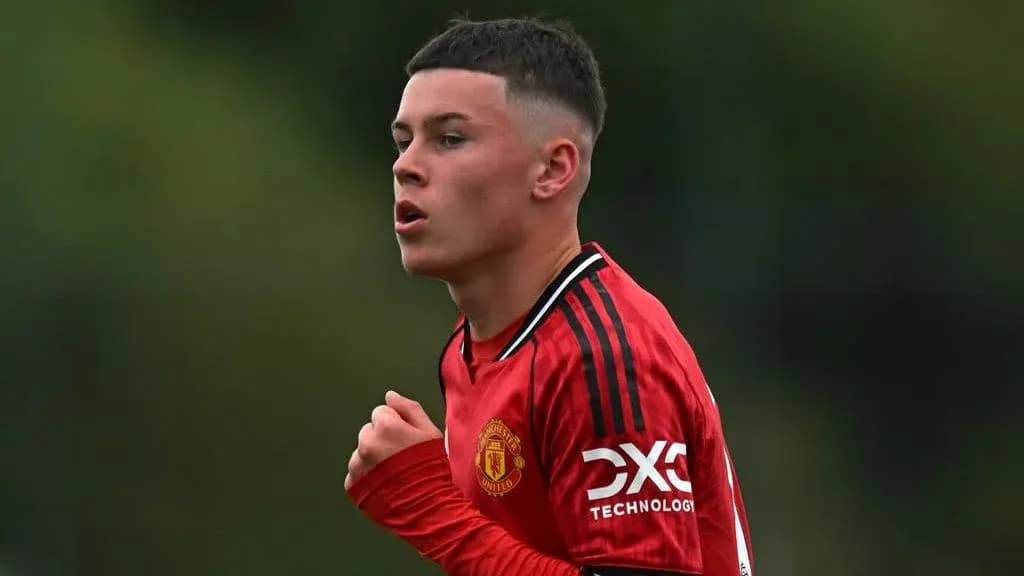
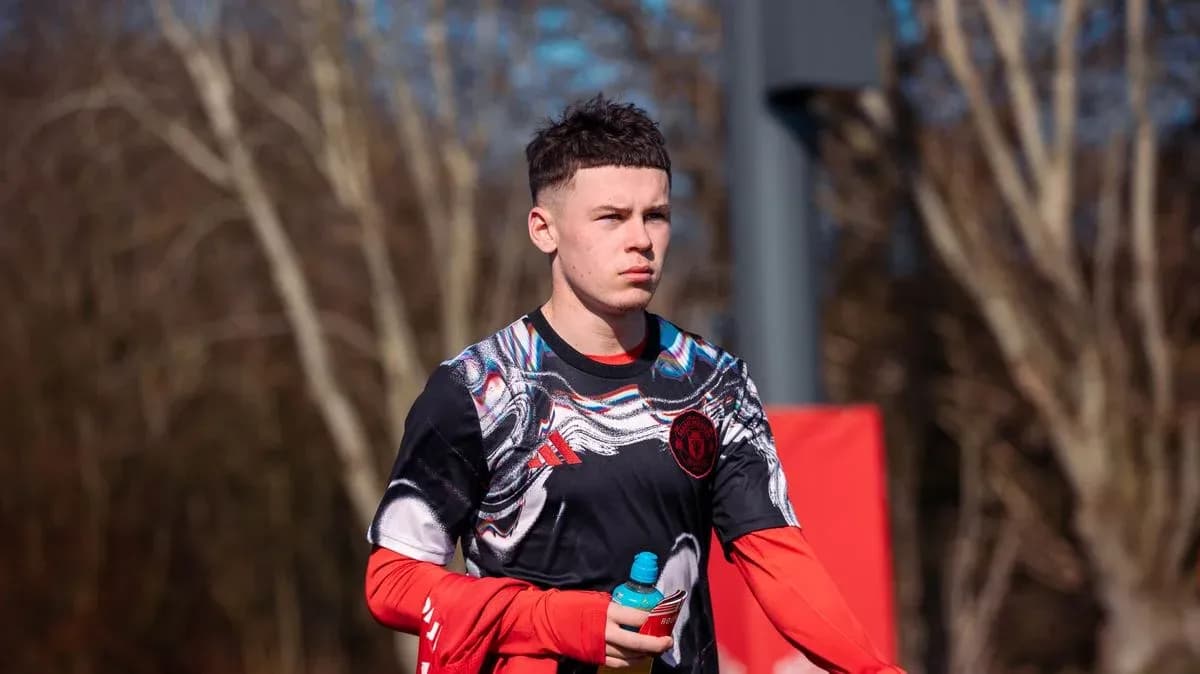
Two decisions framed the shootout, and they will follow him for a long time: withdrawing Patrick Beach, the starting goalkeeper who had carried Australia through the match, and sending on veteran Mat Ryan specifically for the penalties; and handing a spot-kick to 18-year-old Lucas Herrington in the most pressurised moment of his young career. Herrington missed.
Mark Bosnich, who knows a thing or two about penalty shootouts in green and gold, did not hide his disbelief. The former Socceroos goalkeeper said he was “astounded” Beach was benched for the shootout. Robbie Slater, another from the golden generation, questioned the wisdom of thrusting a teenager into that kind of spotlight with a nation watching and a World Cup quarter-final on the line.
The debate ignited almost before Abdelmaguid’s winner had hit the net.
Football Australia, though, moved quickly to close ranks around their head coach. From their vantage point, Popovic remains “absolutely” the right man to lead the national side, his authority intact despite the storm around those fateful calls. The message was clear: this exit, painful as it is, will not trigger a change in the dugout.
That backing will not mute the noise. Not when a World Cup campaign ends with such self-inflicted drama.
Another knockout chance slips away
Strip away the emotion and the bare fact remains: Australia are still searching for a first-ever victory in the knockout stages of a World Cup.
They had their opportunity in Dallas. They matched Egypt across 120 draining minutes, took the tie to penalties, and then watched it unravel from 12 yards. The margins were thin, the consequences enormous.
For the players, the exhaustion was physical and emotional. For the supporters, it was something harder to name. Gutted, but not quite. Drained, but more than that. A kind of nausea that only football can produce when hope stretches deep into extra time and then collapses in a handful of kicks.
The shootout will live long in the collective memory. So will the image of Herrington, the teenager asked to carry a burden many veterans spend careers avoiding. One miss does not define a career, but it can shape a narrative. How Australia handles him from here will say as much about the national set-up as any tactical tweak.
Popovic, too, faces his own reckoning. He was hired to push the Socceroos from plucky participants to genuine knockout competitors. In Dallas, he came close again, only to see his boldest decisions backfire under the harshest light.
The World Cup moves on without Australia. The question now is whether this night in Texas becomes a scar that lingers, or the moment that finally forces the national team to turn near-misses into something more substantial.