.svg&w=384&q=75 "naujapitch logo")
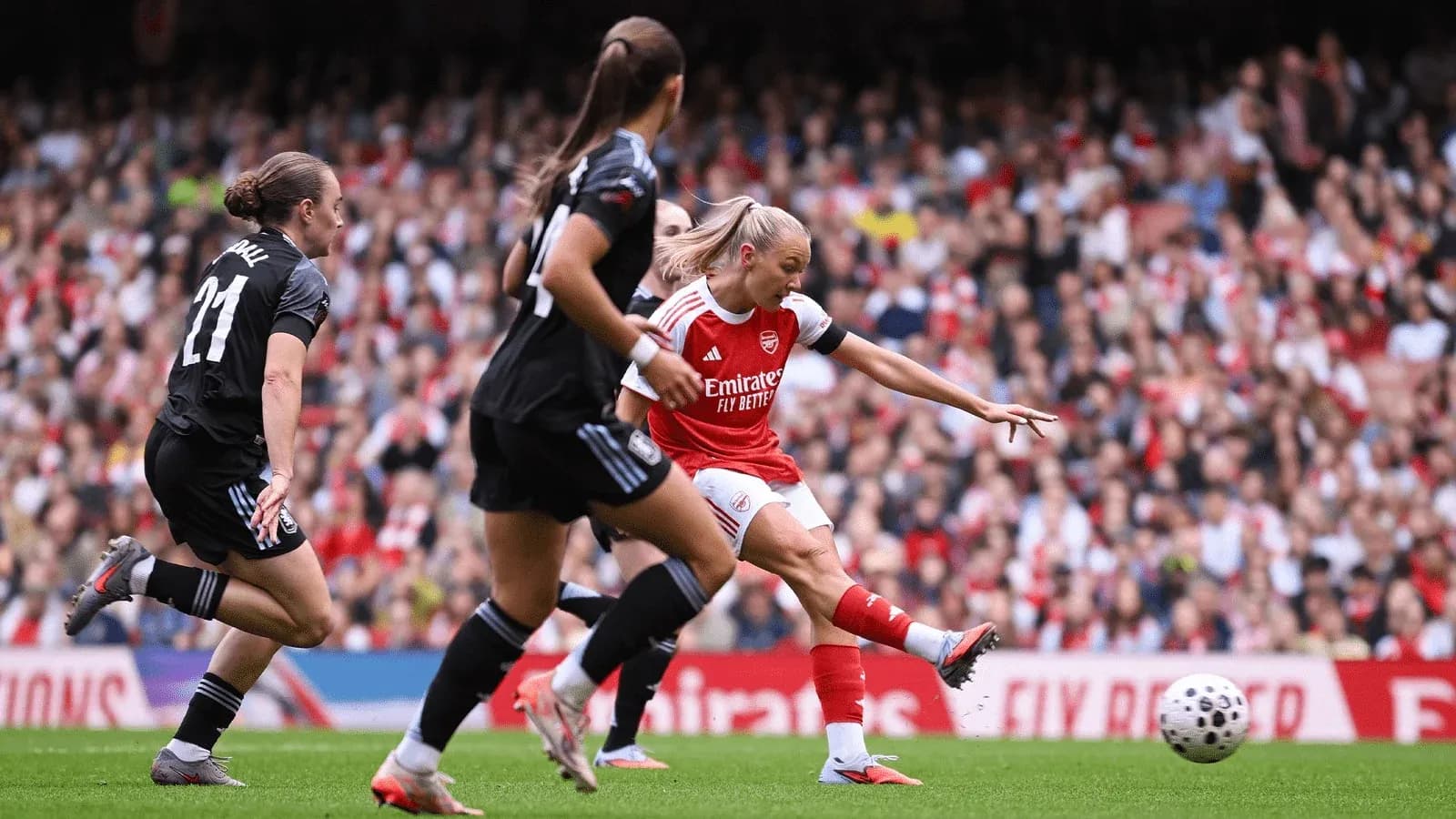
Aston Villa W vs Arsenal W: Tactical Insights and Seasonal Impact
A late-season FA WSL fixture at Bescot Stadium in 2026, this Regular Season - 20 match carries different weights for each side: Aston Villa W, 9th in the league phase with 20 points and a -16 goal difference (27 scored, 43 conceded), are trying to stay clear of the bottom and reset momentum, while Arsenal W, 3rd with 41 points and a +33 goal difference (45 scored, 12 conceded), are protecting their Champions League qualification position and keeping outside pressure on the title race.
Head-to-Head Tactical Summary
Recent meetings have been tight in London and more volatile in Birmingham. On 18 January 2026 in the FA Women's Cup Round 4 at Emirates Stadium, Arsenal W beat Aston Villa W 2-0 after a 0-0 HT, underlining Arsenal’s ability to break Villa down over 90 minutes. In the league phase on 27 September 2025, again at Emirates Stadium, the sides drew 1-1: Arsenal led 1-0 at HT but Villa found a response to take a point. The 2024 league phase showed the extremes: on 30 April 2025 at Villa Park, Aston Villa W won 5-2 after leading 2-0 at HT, exposing Arsenal’s defensive line when Villa could stretch the game; on 8 December 2024 at Emirates Stadium, Arsenal W controlled a 4-0 win, having already led 2-0 at HT. Going back to 24 March 2024 at Villa Park, Arsenal W turned a 1-0 HT deficit into a 3-1 victory, again highlighting their capacity to grow into matches and punish Villa late.
Global Season Picture
- League Phase Performance: In the league phase, Aston Villa W sit 9th with 20 points from 20 matches, scoring 27 and conceding 43, reflecting a fragile defensive structure (2.2 goals conceded per match across all phases) that undermines a moderate attack. Arsenal W are 3rd with 41 points from 18 matches, with 45 goals scored and only 12 conceded, combining a high-output attack with a very secure back line.
- All-Competition Metrics: Across all phases of the competition, Aston Villa W average 1.4 goals for and 2.2 against per match, with their scoring spread peaking between 31-45 minutes (8 goals) and 46-60 minutes (6 goals), but they are heavily exposed in the final quarter (15 goals conceded between 76-90 minutes). Their card profile shows a tendency to pick up yellow cards in the 46-60 window (9), which can disrupt second-half control. Arsenal W, across all phases, average 2.5 goals for and 0.7 against per match, with strong late-game output (13 goals between 76-90 minutes) and minimal concession in the middle of games; they have 9 clean sheets in 18 matches and rarely concede more than once (under 1.5 goals against in 16 of 18 matches). Their disciplinary record is controlled, with yellow cards spread but no red cards recorded.
- Form Trajectory: In the league phase, Aston Villa W’s form string of LLWDL indicates one win, one draw and three defeats in the last five, trending negatively and consistent with a team sliding toward the lower pack. Arsenal W’s WWWWW in the league phase is a perfect five-game winning run, pointing to peak momentum at exactly the stage of the year when margins for Champions League qualification and a potential late title push are tightest.
Tactical Efficiency
Across all phases of the competition, Aston Villa W’s profile is that of an unbalanced side: their average of 1.4 goals scored is competitive mid-table output, but the 2.2 goals conceded and the concentration of late goals against (34.88% of concessions between 76-90 minutes) point to a defense that struggles to manage game states and fatigue. Even without explicit index numbers from the comparison block, this pattern would translate into a low defensive efficiency index relative to league peers, with their attacking efficiency closer to average. Arsenal W’s 2.5 goals scored and 0.7 conceded across all phases suggest an elite attack/defense efficiency combination: they create enough volume to regularly hit two or more goals while maintaining a defense that rarely allows opponents back into games. Their frequent clean sheets (9 in 18) and capacity to score late (13 goals in the final 15 minutes) indicate a high tactical efficiency index, with game plans that scale over 90 minutes and a bench that adds impact rather than drop-off.
The Verdict: Seasonal Impact
For Aston Villa W, this match is less about climbing to Europe and more about stabilising their position in the lower half: with 20 points and a heavy negative goal difference in the league phase, any result against a top-three side reduces pressure in the run-in and provides a reference performance for 2026 planning. A defeat, especially by a wide margin, would deepen the defensive concerns and could drag them closer to any late relegation battle if the teams below them pick up points. For Arsenal W, with 41 points from 18 league-phase games and a Champions League qualification tag already attached to their position, the priority is to keep their perfect recent form intact to lock in the top three and preserve any outside chance of moving higher if rivals drop points. Dropping points here would not immediately remove them from the Champions League race, but it would reduce their margin for error and could shift the final weeks from a controlled qualification push into a high-pressure chase. A win, in contrast, would consolidate their status as the league’s form team, maintain pressure on the sides above, and reinforce the current high-efficiency profile that underpins their broader ambitions in 2026.