.svg&w=384&q=75 "naujapitch logo")

Argentina vs Switzerland: Champions Face Tough Quarter-Final Challenge
The world champions know this script. The underdog, the low block, the tight scoreline, the tension that will not leave the stadium until Lionel Messi decides whether it’s another chapter in his legend or the night a nation’s dream shudders to a halt.
On 12 July in Kansas City, Argentina step into a World Cup quarter-final that looks straightforward on paper and feels anything but. Switzerland arrive with no scars from this tournament, no minutes spent chasing a deficit, and a defensive record that borders on immaculate.
A champion’s path lined with chaos
Argentina’s title defence has been anything but serene. They stormed through Group J with nine points and the familiar swagger, then instantly veered into chaos once the knockout rounds began.
Against Egypt in the Round of 16, Lionel Scaloni’s side were 2-0 down with 11 minutes of normal time left. The holders were staring at the edge of the cliff. Then the switch flipped.
Cristian Romero dragged them back. Messi, criticised and questioned earlier in the night, found redemption. Enzo Fernández rose in extra time to complete a 3-2 comeback that felt like a throwback to every great Argentina escape rolled into one. That win stretched their unbeaten World Cup run to 11 matches since 2022 and reminded everyone that this team, for all its control and structure, still thrives in the chaos of brinkmanship.
They come into Kansas City with five wins from five at this tournament, 12 goals scored, five conceded. Jordan beaten 3-1, Austria 2-0, Algeria 3-0, Cabo Verde 3-2, Egypt 3-2. The pattern is clear: they always find goals. The question is whether they can keep enough of them out against a side that lives for suffocating contests.
Switzerland, the wall that will not crack
Murat Yakin’s Switzerland do not dazzle. They deny. They suffocate. They frustrate. And they are very, very good at it.
They topped Group B ahead of co-hosts Canada, dropped only two points in a 1-1 draw with Qatar, and have conceded just twice in five matches. Bosnia and Herzegovina were swept aside 4-1 in their most expansive outing, but since then it has been about control and calculation. A 2-0 win over Algeria in the Round of 32 underlined their efficiency. Then came Colombia.
Against a South American heavyweight, Switzerland shut the game down. A masterclass in spatial denial, 120 minutes of discipline, and then ice-cold composure from the spot to win the shootout 4-3 after a 0-0 draw. They have not trailed once all tournament, not in qualifying either.
This is their first World Cup quarter-final in 72 years, the first since they hosted the tournament in 1954. That kind of history can weigh heavy. It can also liberate. Nobody expects them to knock out the reigning champions. They know that. And they will relish it.
Messi, the Golden Boot and the midfield battleground
At 39, Messi still stands at the centre of everything. He leads the Golden Boot race with eight goals and has scored in six straight competitive internationals. The numbers are absurd; the influence remains even greater.
Scaloni’s system is built to give him the ball in the half-spaces, between lines, on the half-turn. Alexis Mac Allister and Rodrigo De Paul will spend the night bending their positions, tilting the pitch, and opening passing lanes for their captain. Argentina’s approach is clear: dominate the middle, overload the central channels, and trust Messi to unpick whatever is in front of him.
Switzerland know this. They have built their entire tournament on denying those zones.
Granit Xhaka and Remo Freuler will anchor a compact low-to-mid block, with Ardon Jashari likely to reprise his role as the third man in an industrious, defensively minded midfield. Their job is brutally simple and brutally hard: do not let Messi receive with half a yard of space around the box. If they fail, Switzerland’s World Cup could end in an instant.
The Swiss plan is to compress the centre and then break with venom. Once they win the ball, the release is immediate: Dan Ndoye and Ruben Vargas racing into the wide channels, Breel Embolo attacking the spaces behind Argentina’s advancing full-backs. The champions’ back line has looked exposed when the press is broken; Yakin will want those moments to decide the tie.
Fitness scares and selection puzzles
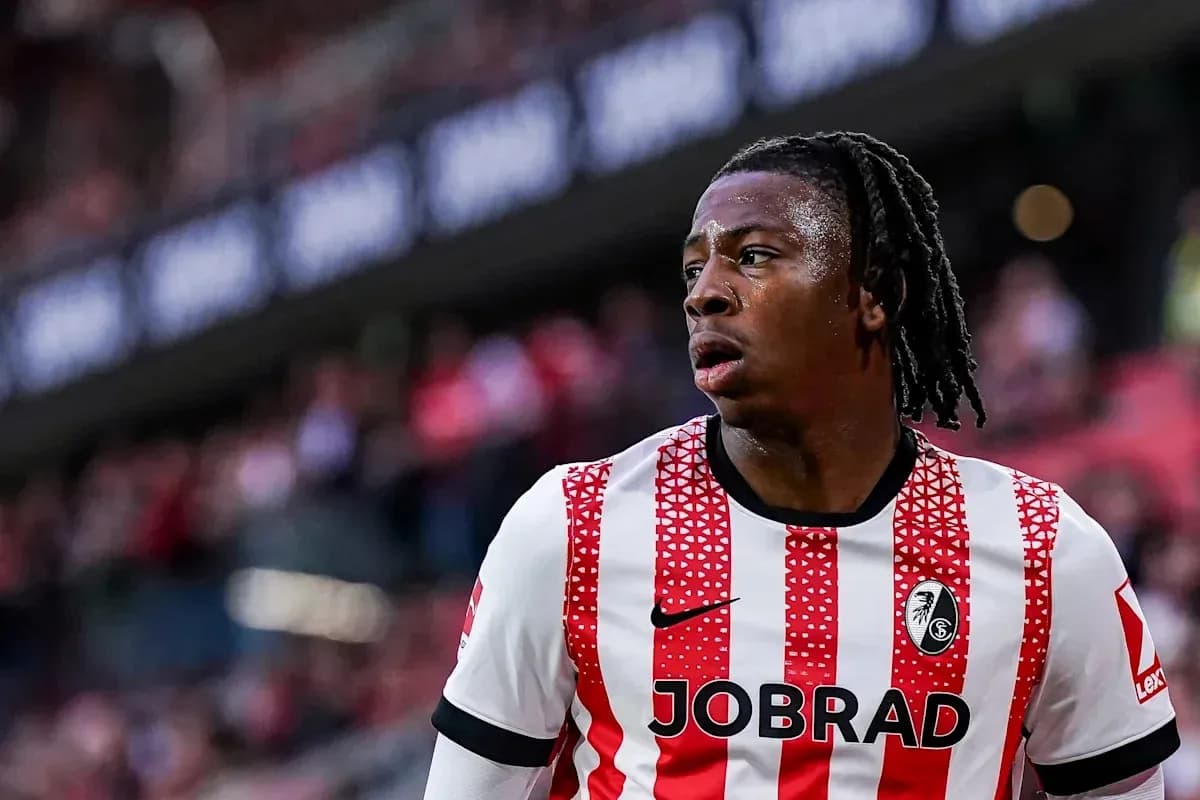
The one major cloud in the Swiss camp hangs over Johan Manzambi. The Freiburg attacker has lit up the tournament with three goals but missed the Round of 16 with a knee injury and is in a race against time to feature. If he cannot go, Jashari is expected to continue in midfield, giving Switzerland extra steel but less cutting edge between the lines.
Michel Aebischer and Luca Jaquez remain out, training individually and unavailable for this clash. The rest of the squad, including key figures like Manuel Akanji, Nico Elvedi, Ricardo Rodriguez and Denis Zakaria, is intact.
Argentina, by contrast, arrive with a clean bill of health and a full 26-man squad available. That luxury brings its own dilemmas.
Up front, Scaloni must choose between the relentless pressing and movement of Julián Álvarez and the penalty-box presence and physicality of Lautaro Martínez to partner Messi. Lautaro’s finishing instincts and chemistry with his captain make him the favourite, but Álvarez’s work rate could be vital against a Swiss side that demands constant off-the-ball effort.
At left-back, Nicolás Tagliafico and Facundo Medina are locked in a quieter but significant battle. Tagliafico offers reliability and experience; Medina brings aggression and a bit more edge in duels. Whoever starts will be tasked with pushing high enough to stretch Switzerland without leaving Romero and Lisandro Martínez exposed on the break.
The likely line-ups underline the contrast.
Argentina are expected to go with:
Emiliano Martinez; Nahuel Molina, Cristian Romero, Lisandro Martinez, Nicolas Tagliafico; Rodrigo De Paul, Leandro Paredes, Enzo Fernandez, Alexis Mac Allister; Lionel Messi, Lautaro Martinez.
Switzerland are set for:
Gregor Kobel; Denis Zakaria, Nico Elvedi, Manuel Akanji, Ricardo Rodriguez; Ardon Jashari, Granit Xhaka, Remo Freuler; Dan Ndoye, Breel Embolo, Ruben Vargas.
History leans one way, the numbers another
On the historical ledger, this fixture is lopsided. Switzerland have never beaten Argentina in any competition. Across their meetings, Argentina have outscored them 15-3.
The most recent clash came at the 2014 World Cup, also in the knockouts, when Argentina needed extra time and a late, late Ángel Di María strike to edge a 1-0 win in the Round of 16. Before that, a 3-1 Argentina victory in a 2012 friendly and a 1-1 draw in 2007 complete the modern record: two wins for La Albiceleste, one draw, no Swiss success.
Yet the numbers from this tournament tell a different story.
Argentina have scored at least twice in 11 straight World Cup matches. Their attack is historically clinical, their rhythm relentless. Switzerland, though, have walked into the quarter-finals on the back of consecutive clean sheets in knockout football, including 120 minutes without conceding to Colombia. They have not once been forced to chase a game.
One streak will crack in Kansas City.
The stakes
For Argentina, this is about more than a semi-final. It is about defending a crown, stretching an era, and squeezing every last drop out of a generation built around Messi. Every knockout match feels like it could be the last time the world sees him on this stage.
For Switzerland, it is the chance to redraw their own footballing identity. No longer the plucky last-16 regular, but a nation that finally breaks through its glass ceiling and reaches a World Cup semi-final for the first time in its modern history.
A champion’s attack that cannot stop scoring against a defence that has forgotten how to concede. A 39-year-old genius leading the Golden Boot race against a team that has not trailed for a single minute.
At some point in Kansas City, something has to give.