.svg&w=384&q=75 "naujapitch logo")
2026 World Cup Preview: Teams, Challenges and Expectations
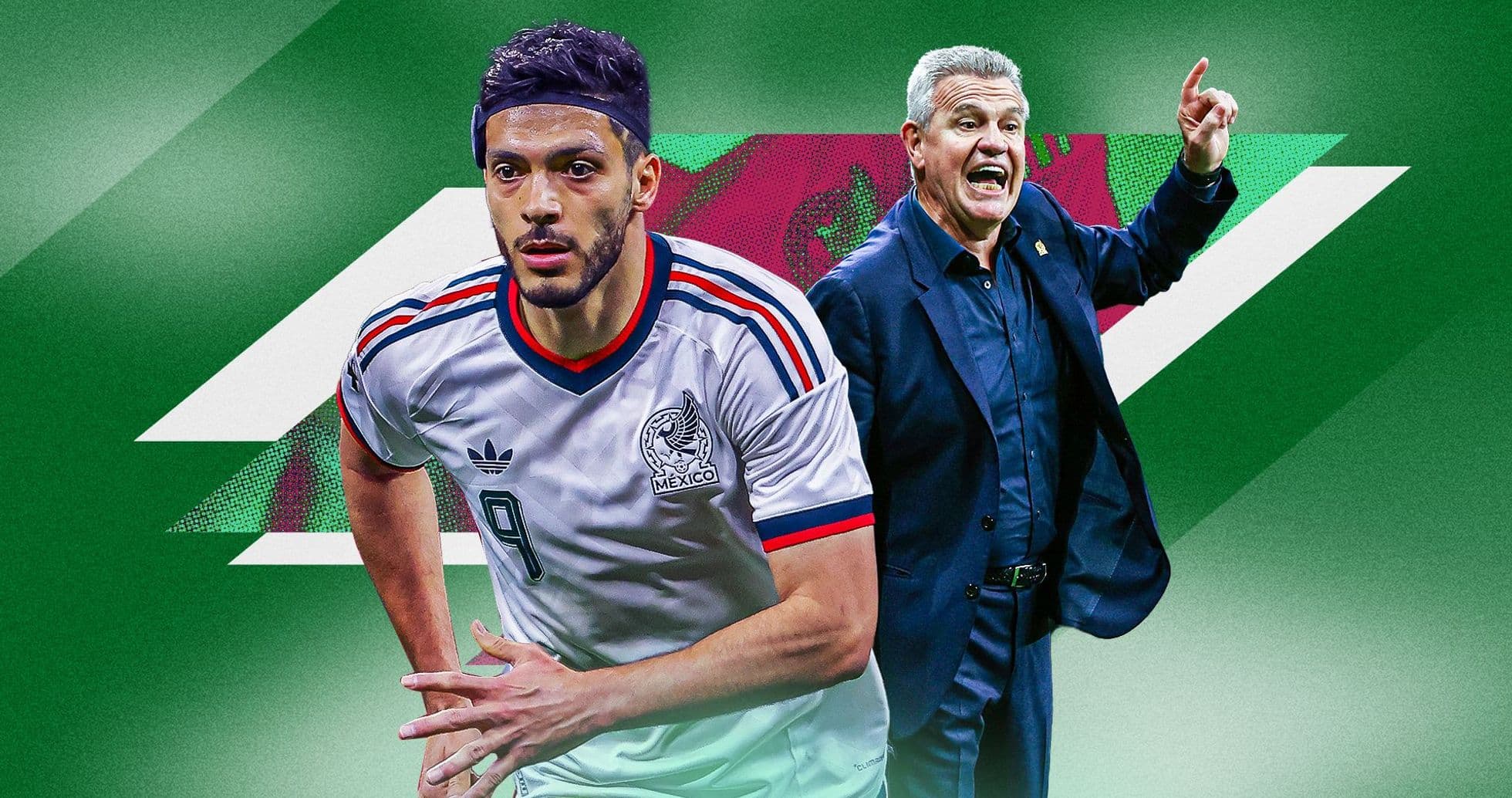
The 2026 World Cup is almost here. In less than 12 hours, Mexico and South Africa will walk out for the opening game of a tournament that already feels like a test of football’s limits as much as its brilliance.
One hundred and four matches. Forty‑eight teams. Twelve groups. It is either the bold new frontier of the sport or an overstuffed epic that risks drowning its own drama. Maybe both.
A swollen giant with sharp edges
Mexico’s meeting with South Africa at 8pm tonight is the first step on an enormous ladder, one that stretches all the way to 19 July. Between now and then, the calendar is crammed with fixtures that range from box‑office to barely-watchable.
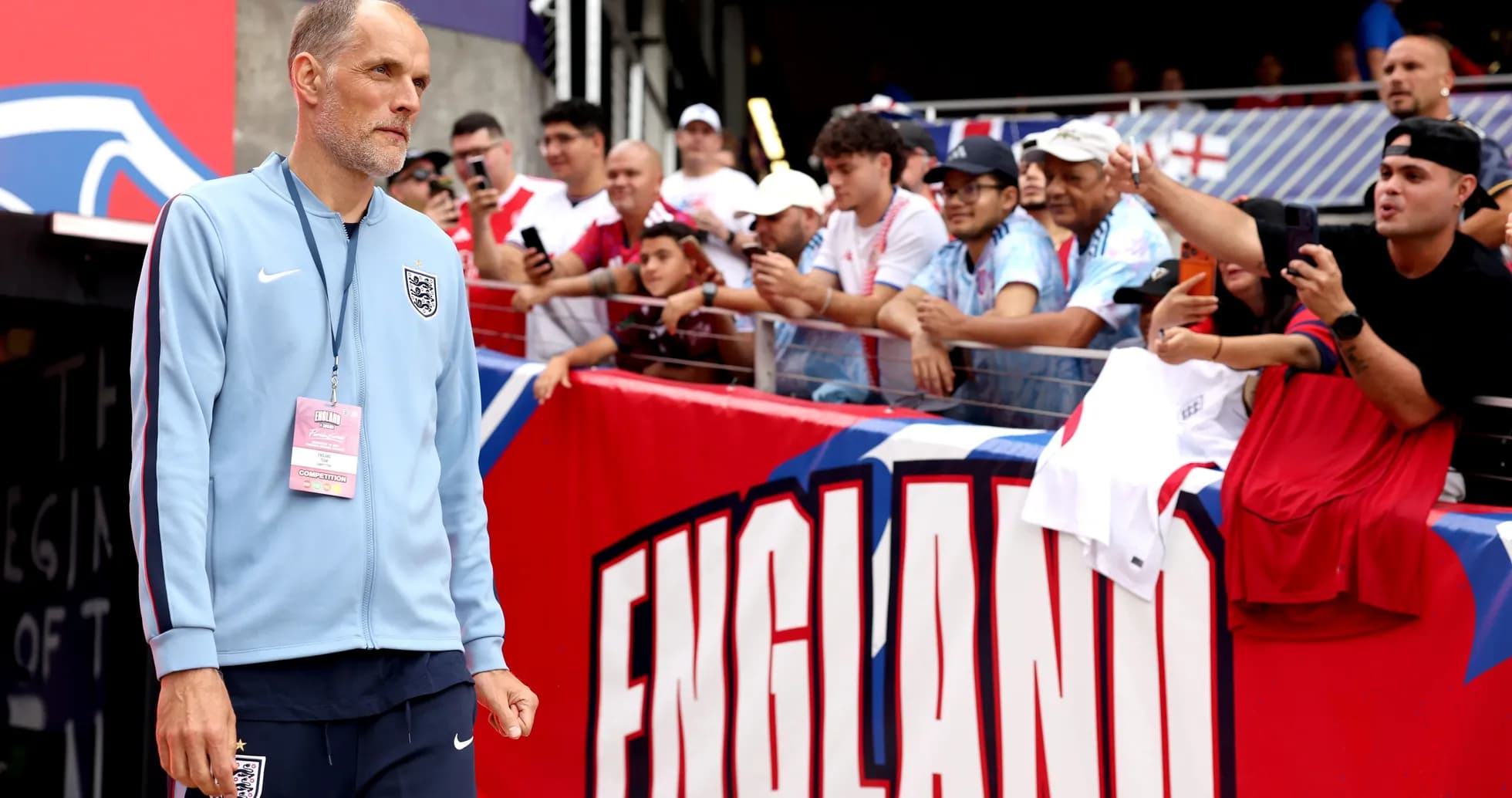
Spain arrive as the bookmakers’ favourites, armed with a European title and a midfield that most of the world would happily borrow. France bring the depth and scars of back‑to‑back World Cup finals. England, under Thomas Tuchel, bring something they haven’t had in a long time at this level: genuine conviction.
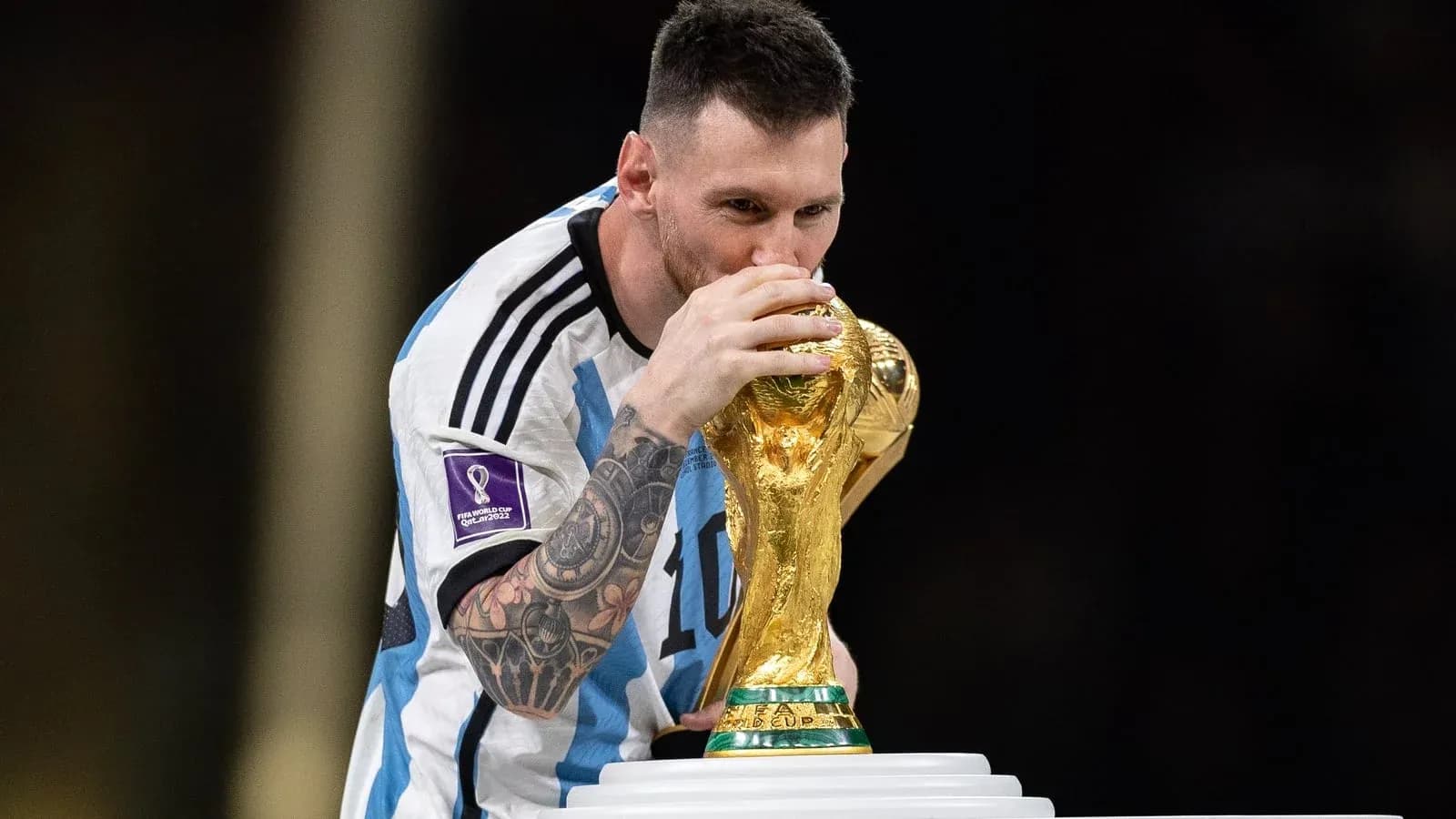
Reigning champions Argentina chase history. No nation has retained the World Cup since Brazil in 1962. Lionel Messi, now 38, is trying to drag one last great tournament out of his legs and, in doing so, move beyond Diego Maradona in the eternal national debate by winning it twice.
Brazil lurk, never far from the conversation. Portugal, with Cristiano Ronaldo still centre stage, stare at what is surely his final chance to grab the only major trophy missing from his career. Whether that storyline fuels Portugal or suffocates them will only become clear when the pressure bites.
And, as ever, the old warning holds: never write off Germany. Julian Nagelsmann has given them edge and energy again. Colombia, Senegal and Morocco all carry the look of teams nobody will want to see in a last‑16 draw.
On paper, the cast is irresistible. The concern lies in the sheer size of the stage.
A group phase that feels too safe
With 48 teams spread across 12 groups, the early days are riddled with fixtures that will barely flicker on the global radar.
Germany against Curaçao on Sunday could be brutal. Spain’s opener with Cape Verde on Monday has the makings of a training exercise in front of the world. Qatar v Switzerland and Uzbekistan v Colombia are not exactly the kind of pairings that stop traffic outside the countries involved.
The problem is jeopardy. Or the lack of it.
The format is built to protect the heavyweights. The top two in each group qualify automatically. So do the eight best third‑placed sides. Sixty‑four percent of the teams will reach the round of 32. A nation can lose twice and still squeeze through, punished only with a tougher draw.
It looks, and feels, like a safety net for the sponsor‑friendly giants. The kind of chaos that once defined World Cup group stages – the final‑day permutations, the big nation staring at the exit door – will be harder to find.
Ireland fans know all about sneaking through without winning a game, but their Italia 90 trick may no longer be a quirk of history. It might become a feature.
The trade‑off is obvious. The group phase stretches and stretches, while the real edge, the real fear of elimination, may not fully arrive until the knockouts.
That suits some.
Heat, fatigue and the long road
This is a World Cup that will ask as much of sports scientists as it does of strikers.
Eight games for the teams that go all the way. A tournament dropped straight on top of a brutal club season. Stars will be wrapped in cotton wool in the opening week.
Messi, Neymar, Lamine Yamal, Bukayo Saka, Nico Williams – all are likely to be carefully rationed, if not outright rested, in early group matches as managers weigh fitness against seeding.
Then there’s the heat.
Miami, Houston, Guadalajara, Mexico City: cities where extreme temperatures in June and July are not a freak event but a regular warning. FIFA has ordered mandatory hydration breaks at 22 and 67 minutes in every game, no matter the conditions, and stacked daytime kick‑offs into air‑conditioned stadiums where possible.
Even so, this will be a tournament played with sweat pouring off shirts and lungs burning. On paper, that tilts the balance towards Spain, Brazil, Argentina and Mexico – nations used to playing in sweltering conditions and managing matches in that kind of climate.
Spain and France set the pace
Spain, more than anyone, look built for this. They have the most complete squad in the field, and their midfield options run so deep that most rivals would struggle to pick a best XI from the players Spain might leave on the bench.
One cloud hangs over them: Yamal’s hamstring. His fitness for the group stage is uncertain. Spain, though, can afford to take their time, to ease him in, to let others carry the load until the games sharpen.
France are the obvious threat to their supremacy. If both nations win their groups, they can only collide in the semi‑finals. That potential clash already feels like the tournament’s natural summit.
Kylian Mbappé, Ousmane Dembélé, Michael Olise, Désiré Doué: Deschamps has an attacking arsenal that can rip anyone apart in a five‑minute spell of chaos. This is his last tournament in charge, his final tilt after finishing runners‑up last time. The hunger to go one step further is baked into this French squad.
England gamble on Tuchel’s way
England’s story is different, but no less intriguing. They arrive off the back of a Euro 2024 campaign that ended in a 2-1 defeat to Spain in the final, and with a manager who has already started tearing up old certainties.
Gareth Southgate’s caution is gone. In its place is Tuchel’s high‑intensity, fluid approach. The German has not tiptoed into the job. He has left Phil Foden, Cole Palmer and Trent Alexander‑Arnold at home, choosing players who fit his system over those who dominate shirt sales.
It is a bold call. It will be thrown back at him if England stumble. But it also signals something new: a national team built around an idea, not a list of names.
Brazil, Argentina and the weight of history
Brazil and Argentina both arrive with questions hanging over them.
Carlo Ancelotti now leads the Seleção. The squad still bristles with quality – Vinícius Júnior, Raphinha, Marquinhos – and there is enough in both attack and defence to scare anyone. The doubts sit in midfield and in a qualifying campaign that never quite convinced. This is not the swaggering Brazil of old, and everyone knows it.
Argentina’s doubts are different. They are about time.
Messi is 38. The dream is simple: become the first team since that 1962 Brazil side to retain the World Cup, and allow the greatest player of his generation one more month of magic on the biggest stage. Whether his body can keep pace with his mind, and with the demands of this expanded tournament, will define Argentina’s ceiling.
A tournament that stretches its audience
The strain will not just be felt on the pitch.
Kick‑off times will punish fans in certain corners of the world. Irish viewers, for one, will need alarm clocks and strong coffee. Brazil’s first game, against Morocco, starts at 11pm on Saturday. Argentina’s opener is at 2am on a Wednesday. That is dedication, not convenience.
In the stands, the schedule and the distances ask a lot of travelling supporters. On television, 104 matches ask a lot of everyone’s patience.
This World Cup is a bet – on volume, on star power, on the idea that the spectacle at the sharp end will make us forget the long trudge of the early weeks.
By the time the trophy is lifted on 19 July, we will know if that bet paid off. Or if football finally found the point where more really does become too much.