.svg&w=384&q=75 "naujapitch logo")

World Cup Quarterfinals Preview: Key Matchups
And then there were eight.
Ninety-six matches in 27 days have stripped this World Cup down to its core contenders. The chaos, the shocks, the late goals – all of it has funneled into three days, four quarterfinals and a bracket that feels perfectly poised to explode.
A rematch from Qatar. A first-time quarterfinalist. The holders still walking a tightrope. European heavyweights circling each other. Here’s how the last eight stack up.
1. France vs. Morocco – July 9
A semifinal in Qatar, a quarterfinal in the United States, and the stakes feel just as sharp.
France beat Morocco 2–0 less than four years ago in a match that was far tighter than the scoreline. This time, the names on the teamsheets have shifted, but the tension should be familiar.
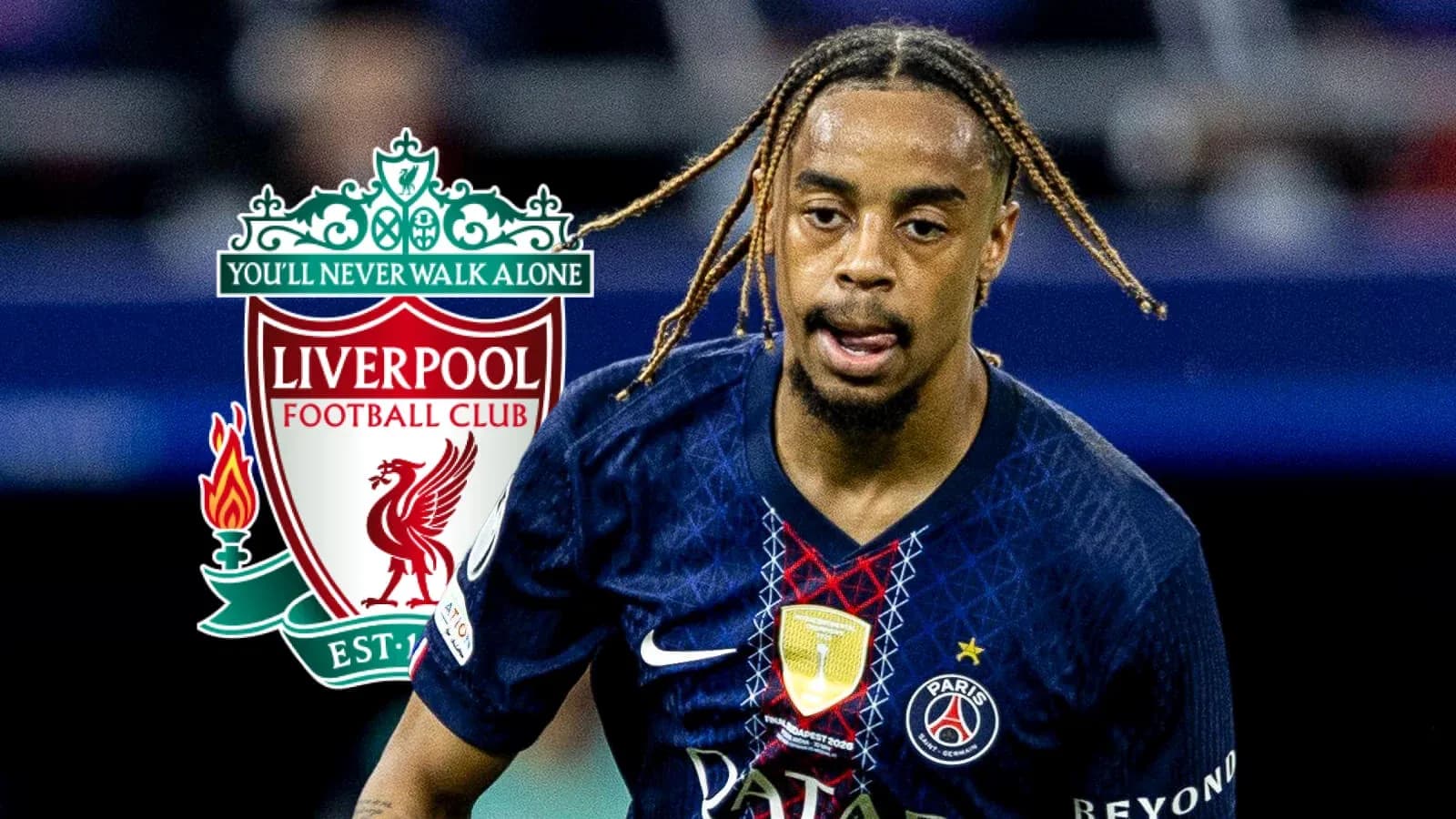
Kylian Mbappé still sits at the heart of France’s threat, gliding in off the left, with Ousmane Dembélé stretching defenses on the opposite flank. Around them, though, the supporting cast looks new. Michael Olise, Désiré Doué and Bradley Barcola are tasting knockout pressure at this level for the first time, bringing fresh legs and a touch of unpredictability to a side already brimming with talent.
Morocco, as ever, leans on its spine. Achraf Hakimi returns to patrol the right, Yassine Bounou anchors them in goal, and Azzedine Ounahi knits things together in midfield. Around that core, the Atlas Lions have retooled. Brahim Díaz gives them guile between the lines, while 18-year-old Ayyoub Bouaddi adds energy and ambition in midfield that belies his age.
France arrive as the tournament favorite, but this does not look like a procession. Both sides have the weapons to score more than once, both know each other’s rhythms, and both carry the scars and lessons of Qatar.
One detail could tilt it. Morocco might have to cope without Ismael Saibari after the striker limped off in the round-of-16 win over Canada. His absence would strip them of a key reference point in attack. In a match this tight, losing that outlet could be the crack France need to pry open.
2. England vs. Norway – July 11
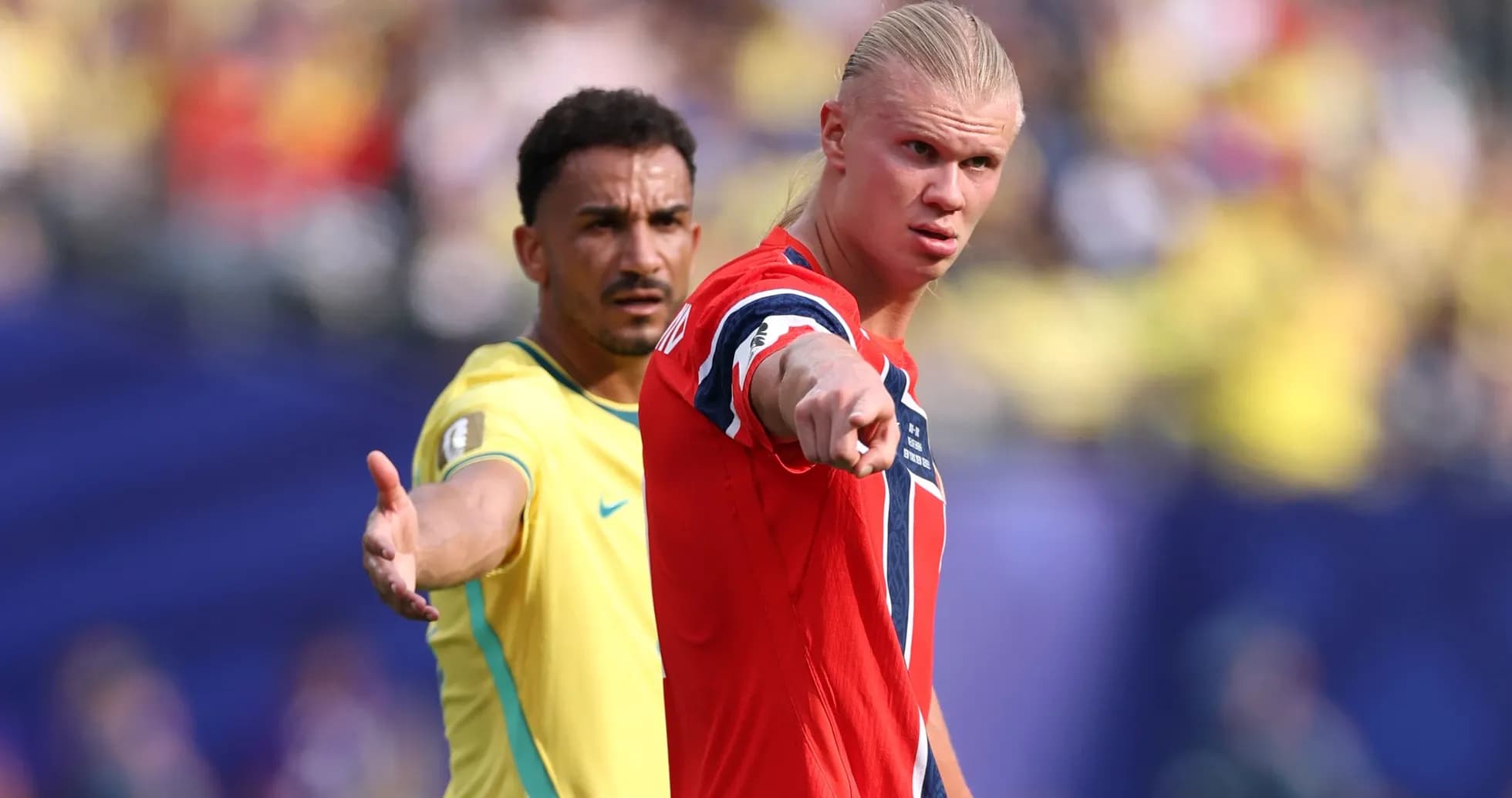
Erling Haaland has finally dragged Norway back to the World Cup’s sharp end, and he is enjoying every second of it.
Twenty-eight years after their last appearance at this stage, Norway arrive in Miami with a swagger and a striker who terrifies defenders on sight. Haaland now runs into a wall of familiar faces: the Premier League, under a different flag.
England could realistically start three of his Manchester City teammates from last season – Marc Guéhi, John Stones and Nico O’Reilly – across the back line. They’ve trained with him, marked him in practice, watched his movements up close. If anyone can read his runs a fraction earlier, it’s them. Whether that knowledge can actually stop him is another matter entirely.
Norway, though, are not just a one-man show. Martin Ødegaard dictates the tempo from midfield with the composure Arsenal fans see every week. Sander Berge brings Premier League steel from Fulham. Oscar Bobb, once a City prospect and now at Fulham, offers invention from wide areas. There’s a clear Premier League thread running through this side, and it shows in their confidence on the ball.
England arrive off the back of a stirring, emotionally charged win over Mexico, a match that tested their nerve as much as their talent. They showed they can suffer, then strike. The task now is different. They should dominate possession, face a deeper block and be asked to unpick a disciplined Norwegian defense rather than simply ride out chaos.
That demands patience and creativity. It also demands concentration. Every time England lose the ball high up the pitch, they know what’s coming: a direct, ruthless transition led by Haaland, who can turn a half-chance into a decisive moment in a heartbeat.
This has all the ingredients of a tight, tactical contest. One mistake. One lapse. One perfect run. That might be all it takes.
3. Argentina vs. Switzerland – July 11
Argentina are doing this the hard way again.
Extra time against Cape Verde. A monumental comeback against Egypt. The holders are two wins from another World Cup final, but they’ve burned through plenty of emotional energy just to get here.
Now comes Switzerland, a team that rarely blinks on big nights.
The Swiss squad is loaded with players forged in Europe’s top leagues. They’ve already shown their giant-killing credentials in recent years, knocking out France and Italy at the European Championship. They know how to frustrate, how to sit in, how to drag superior opponents into the kind of match they don’t want to play.
Their defensive structure gives them a real shot at slowing Argentina and Lionel Messi. That, on its own, is an achievement. But to truly threaten the champions, Switzerland need goals.
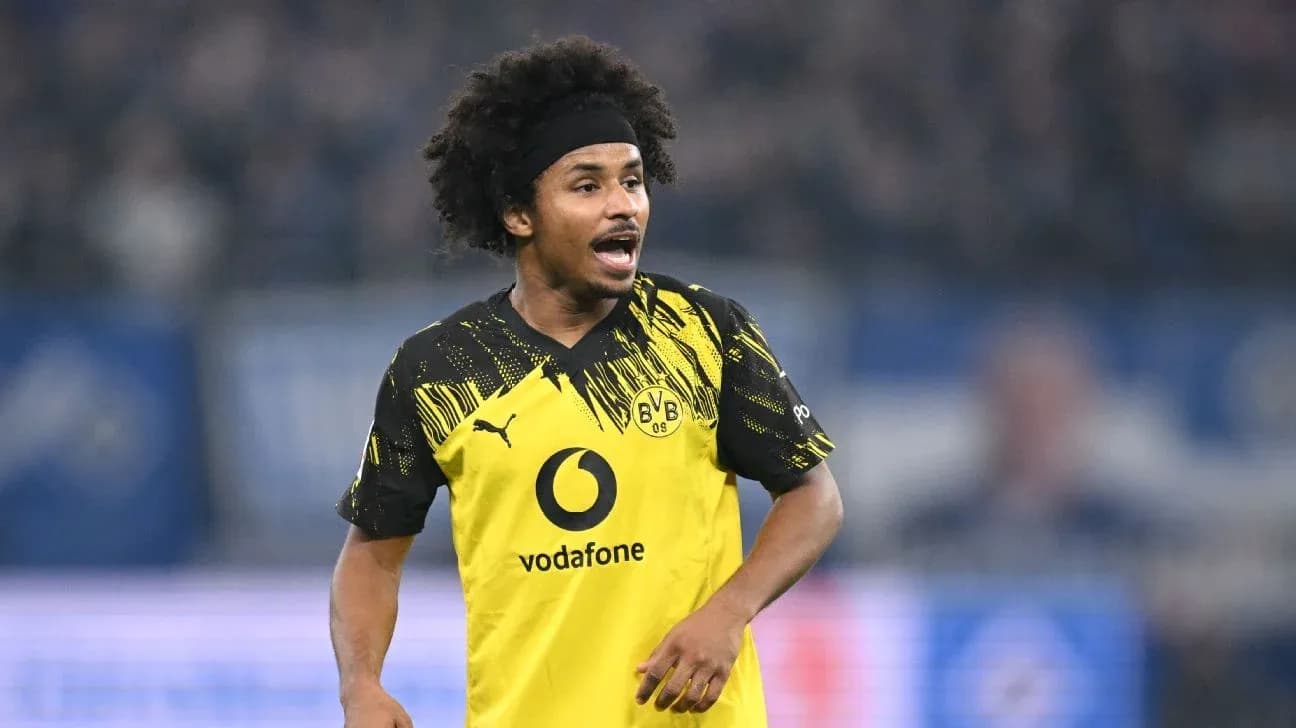
Breel Embolo offers that possibility. His pace and movement can trouble a back line that has already been stretched in this tournament. A fit Johan Manzambi would be a huge boost, adding another option in attack and a different type of presence in the final third. His return to health could change the dynamic of Switzerland’s forward line.
Argentina, though, have lived on this edge before. They know how to navigate tight knockout ties, how to lean on Messi when the air gets thin and the margins shrink. They are not cruising, but they are surviving. And that, at this stage, is often enough.
4. Spain vs. Belgium – July 10
Five games. Zero goals conceded. Spain have turned control into a kind of suffocation.
Their grip on the ball strangles opponents’ rhythm. Teams don’t just struggle to score against them; they struggle to breathe. The defensive record tells its own story, but so does the way Spain dictate the pace, forcing matches to be played to their beat.
What’s striking is that their attack hasn’t even fully leaned on Lamine Yamal yet. The 18-year-old Barcelona winger entered the tournament short of full fitness, but his mere presence bends defenses out of shape. He draws markers, creates gaps, and opens lanes for others.
Mikel Oyarzabal has capitalized, leading Spain in goals. Around him, a steady stream of teammates have chipped in. It still feels like there’s another level in this side if Yamal can sustain a full-blooded performance and if injured winger Nico Williams can re-emerge as a real factor on the flanks.
Belgium arrive from a very different path. Their group stage was labored, disjointed. Then something clicked. Twelve goals in their last three matches have shifted the mood entirely. A more athletic lineup against the United States injected pace and aggression, and the payoff was immediate.
They paid a heavy price, though. Amadou Onana’s ACL injury in that match ripped a hole in the midfield. His absence removes a vital screen and ball-winner, and forces a rethink at the heart of the team.
That rethink could bring Kevin De Bruyne back into the starting XI after he sat out the round-of-16 win. His vision and passing range could unlock spaces even Spain struggle to close. On the flanks, Rudy Garcia faces another dilemma: recall Jeremy Doku’s direct running from the start or again keep Romelu Lukaku as a weapon off the bench.
With the specter of extra time looming over such a finely balanced tie, squad management becomes a tactical battle of its own. Garcia may hold something back, a late-game card to play against a Spanish side that rarely loses its composure but can be worn down.
Spain’s control against Belgium’s revived cutting edge. A defense that doesn’t concede against an attack that has suddenly remembered how to score. One of them will bend. The question, as the quarterfinals begin to bite, is who blinks first.