.svg&w=384&q=75 "naujapitch logo")
Tottenham's Injury Crisis: Is the Stadium's Pitch to Blame?
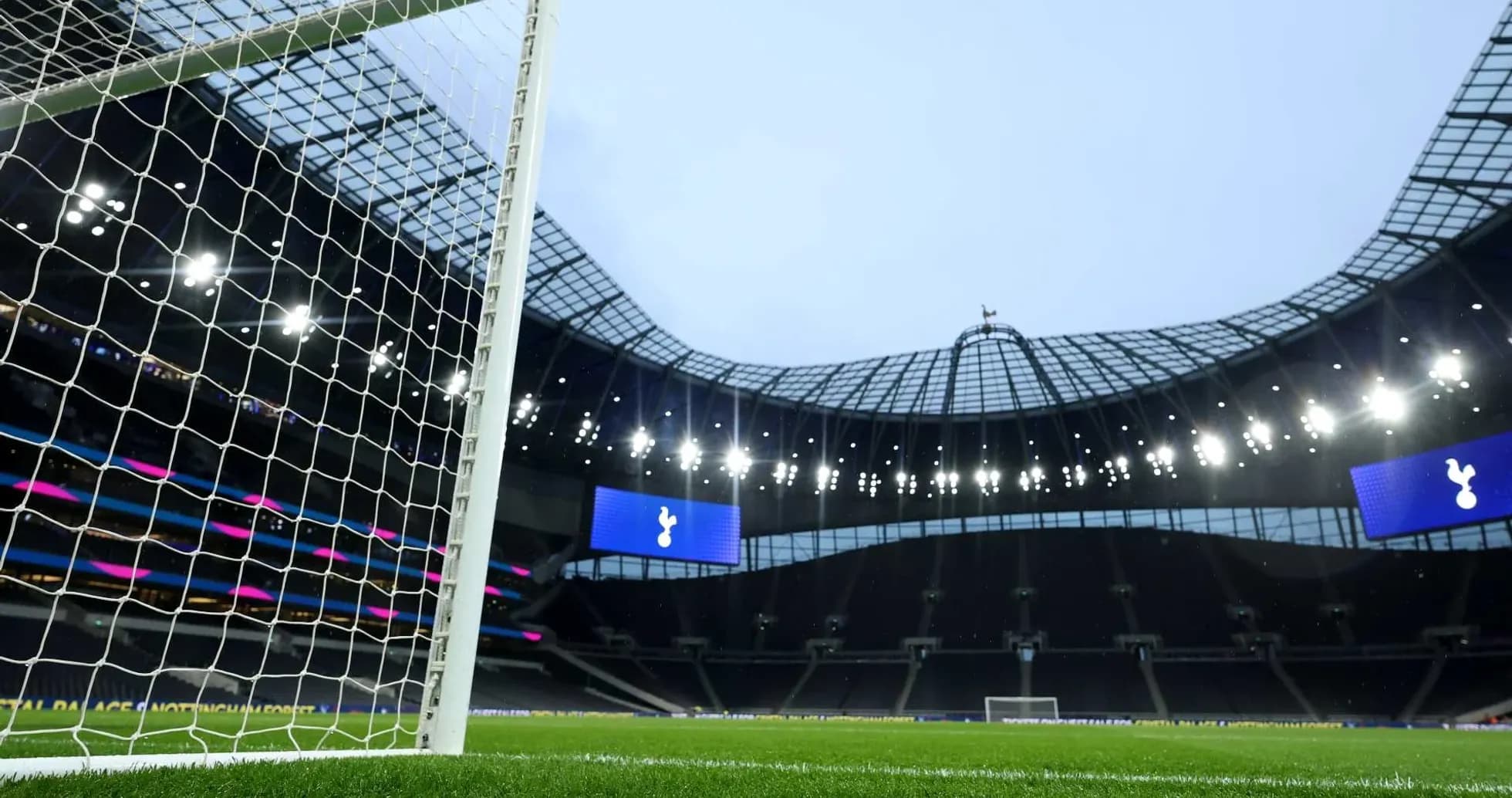
The Tottenham Hotspur Stadium was supposed to be the gleaming symbol of a new era: a sliding grass pitch, a synthetic NFL surface beneath, a building that could morph from Premier League cauldron to American football spectacle or concert venue in a matter of hours. An engineering showpiece.
Now the club is asking a far more uncomfortable question: is that same marvel playing a part in tearing its players apart?
Spurs turn the spotlight on their own pitch
New performance director Dan Lewindon has launched a detailed review into the club’s injury crisis, and the turf under Ange Postecoglou’s team is right in the middle of it.
Independent testing has already been carried out on the grass surface – its bounce, its tension, the way it behaves under strain. The data, though, is cloudy. Nothing conclusive, nothing that definitively clears or condemns the pitch. So the work goes on, with Spurs now comparing their surface against others across the Premier League to see whether their home has its own hidden edge – or hidden risk.
The concern is not theoretical. It is rooted in what has happened in N17.
Dejan Kulusevski, Radu Dragusin and Wilson Odobert have all suffered serious leg and ligament problems at home. James Maddison first partially tore his ACL in a home game against Bodo/Glimt, then later ruptured it completely. One star after another, going down on the same stretch of grass that slides away to reveal a very different field beneath.
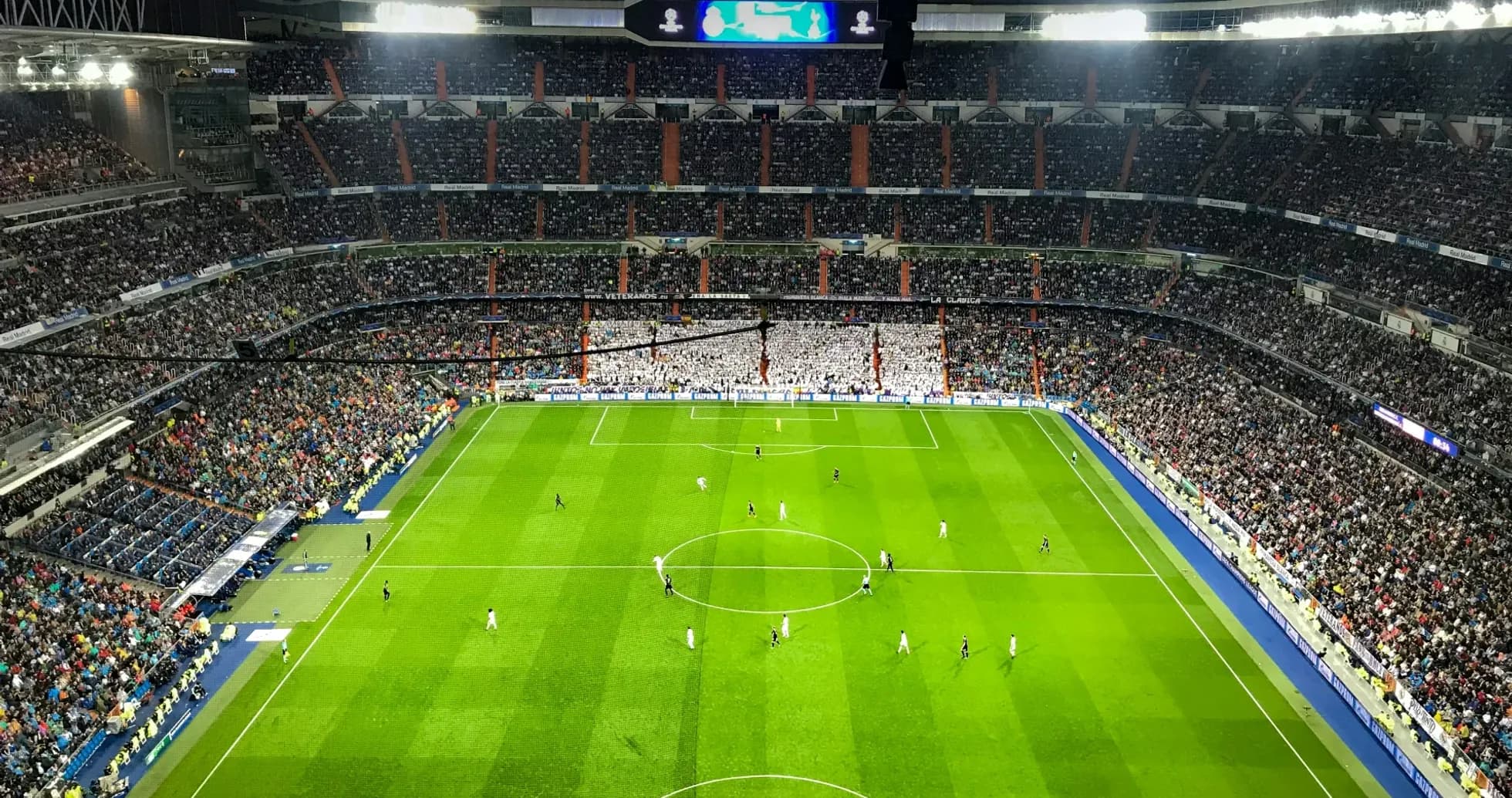
The questions Spurs are asking are being echoed elsewhere. Real Madrid, who installed their own retractable pitch at the renovated Santiago Bernabeu, are also investigating a run of ACL injuries. Two of Europe’s most advanced stadiums, both under scrutiny for the same grim pattern.
Beyond the grass: a fractured performance setup
Lewindon’s review, which has run over three months, has not stopped at the touchline.
Inside the club’s performance department, the audit has reportedly highlighted something more old‑fashioned than any cutting‑edge turf technology: poor communication and poor structure. A sense that medical and coaching staff have been operating in silos, decisions made in parallel rather than together, feeding a cycle of recurring injuries.
Spurs believe that lack of integration has cost them players and points.
The response is a shift in philosophy. The club plans to move to what has been described as a “small-team approach” – specific physios assigned to tight groups of around six players. The idea is simple: more tailored work, deeper relationships, and training plans that reflect the individual rather than the unit. In theory, that should mean better preparation, fewer surprises, and a clearer picture of when a player is ready – and when he is not.
Four managers, four methods, one exhausted squad
There is another factor that needs no scientific study: chaos in the dugout.
Spurs have gone through four head coaches in a single year – Ange Postecoglou, Thomas Frank, Igor Tudor and Roberto De Zerbi. Four different training regimes. Four different tactical blueprints. Four different ideas of what “intensity” should look like Monday to Friday.
Players have been asked to pivot from one style to the next at speed, their bodies dragged through constant recalibration. For a squad already stretched, that churn has not just been a psychological strain. It has been physical risk.
When workloads spike, then dip, then spike again under a new coach, soft tissue and ligament injuries often follow. At Tottenham, they have.
The Xavi Simons flashpoint
The club’s medical staff have also been forced into the spotlight.
During a win at Wolves, Xavi Simons suffered what turned out to be a season-ending ACL rupture. He was treated with ice spray and allowed back onto the pitch before eventually being stretchered off. The images infuriated sections of the fanbase, who saw a serious knee injury and a player sent back into the fray.
Inside the club, the view is different. Spurs insist the decision was sound, and Lewindon is understood to have been very satisfied with how the medical team handled the incident.
Simons himself wanted to continue at Molineux. With a full ACL assessment difficult to perform on the touchline in the heat of a game, the staff judged that a brief return was acceptable. Crucially, the club is adamant that his short spell back on the pitch did not cause any additional damage to the ligament.
For Tottenham’s doctors and physios, that case has become a line in the sand: a moment used to defend their professionalism in a season when almost everything around them has gone wrong.
A debut spell from hell and a demand for support
The injuries did not stop there. In Roberto De Zerbi’s first three matches, Spurs lost Cristian Romero and Destiny Udogie to serious problems as well, deepening the sense that the club had walked into a perfect storm.
De Zerbi, never shy about demanding standards, is said to be pushing hard for a stronger support structure around the players. That includes the appointment of a team psychologist, a move aimed at improving communication across performance and medical departments and helping players process the strain of constant setbacks.
At a club where the treatment room has felt as busy as the dressing room, that kind of psychological scaffolding is no luxury. It is a necessity.
Maddison’s blunt verdict
From the pitch, the most honest assessment has come from James Maddison, who has lived the injury crisis from inside the dressing room and on the treatment table.
“Our situation with the injuries has been worse than any other club,” he said, refusing to hide behind clichés. “People try and say, ‘Oh, but we’ve got this and that’. But ours is astronomical, and we need to look at why that is.”
Maddison does not buy every theory. He pointed to his own ACL and Kulusevski’s “horrendous knock” from Marc Guehi as examples of pure bad luck rather than evidence against the medical team or the pitch. “Sometimes that’s rubbish,” he said of the wilder explanations.
Yet he is crystal clear on the impact. The sheer volume of absences, he believes, dragged Spurs into a relegation fight they should never have been near.
“We’ve been a bit unlucky,” he admitted. “But like I said, the big names that we’ve missed, it does affect you and you can’t just deny that. Myself, Kulusevski and Mohammed Kudus, and Rodrigo Bentancur missed three months and whatnot. If you had had them for the whole season, we wouldn’t have been in this situation, I strongly believe. That’s just not me being naive, that’s just a fact.”
In the end, he chose to focus on the resilience that kept Spurs afloat. “It is the situation we find ourselves in, and I am just proud of the lads to dig deep today.”
A club at a crossroads
So Tottenham stand here: a billion‑pound stadium under the microscope, a revolutionary pitch being examined down to its last blade of grass, a performance department being rebuilt on the fly, and a squad still counting the cost of a year of upheaval.
If Lewindon’s review finds a marginal gain, a tweak in structure or surface that saves even one knee, it will be worth the discomfort. The bigger question is whether Spurs can turn this season of attrition into a turning point – or whether the most advanced stadium in the league keeps asking the same painful question every time another player hits the turf.