.svg&w=384&q=75 "naujapitch logo")
Socceroos Injury Woes Ahead of Paraguay Clash
The World Cup has finally found its rhythm. Storylines are spilling out of every group now – from tactical angst in the Socceroos camp to England’s creative paralysis, from Cristiano Ronaldo’s defiant resurgence to a quiet revolution in the laws of the shootout.
This is where the tournament starts to bite.
Socceroos rocked by injury as Paraguay decider looms
Australia’s final group clash with Paraguay was always going to be tense. Now it comes with a significant complication.
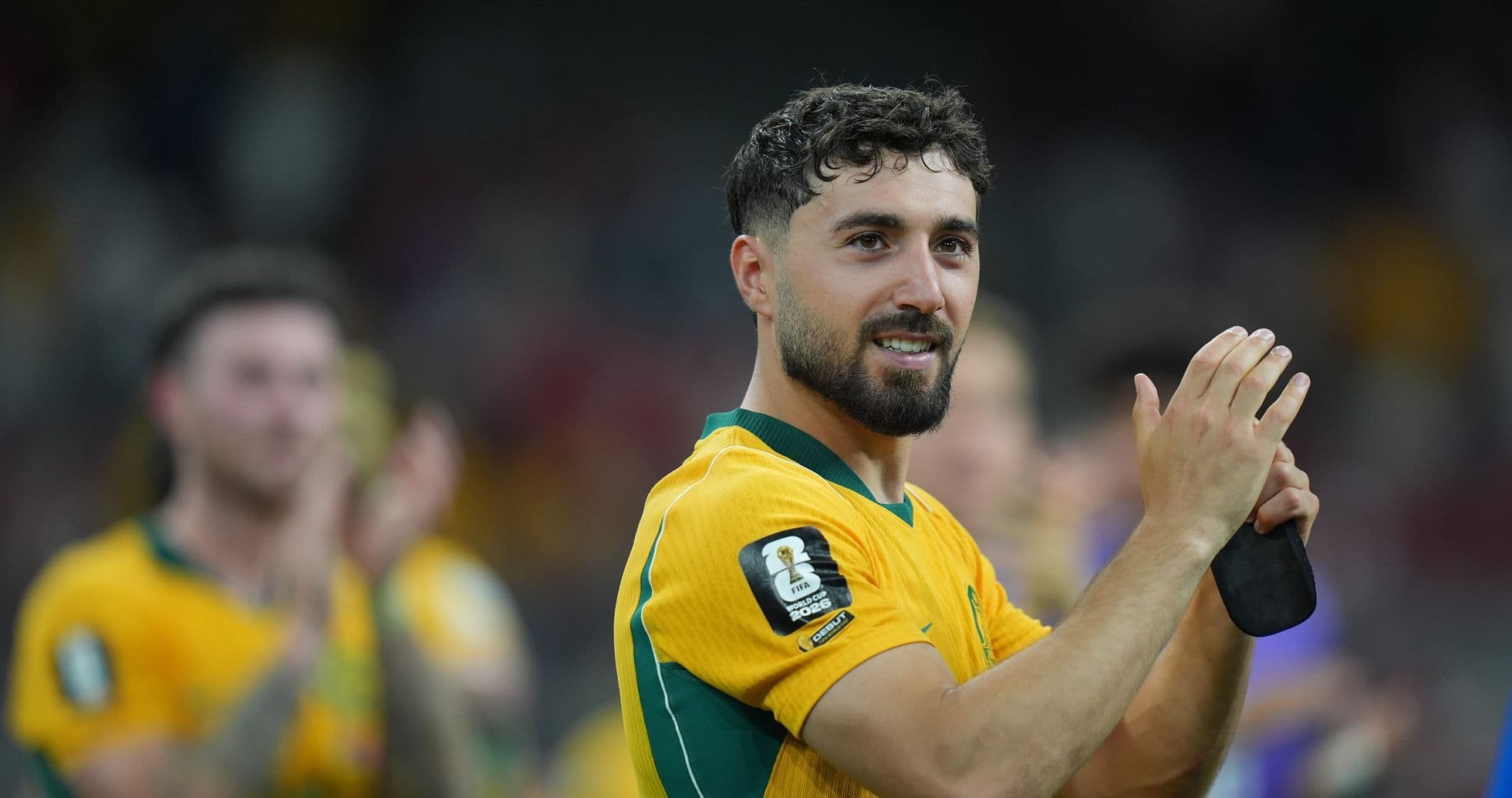
Alessandro Italiano, who had fought his way into the side as starting right wing-back, is set to miss out with an injury concern. He joins Mat Leckie on the sidelines at precisely the wrong time.
Italiano had stepped in for the injured Lewis Miller and never looked back. He grafted through 90 rugged minutes to help shut out Turkiye on Matchday 1, then backed up with another full shift against the USA. That workload, that energy, had quickly become part of Tony Popovic’s blueprint.
Without him, Popovic must improvise in a game that could define Australia’s campaign.
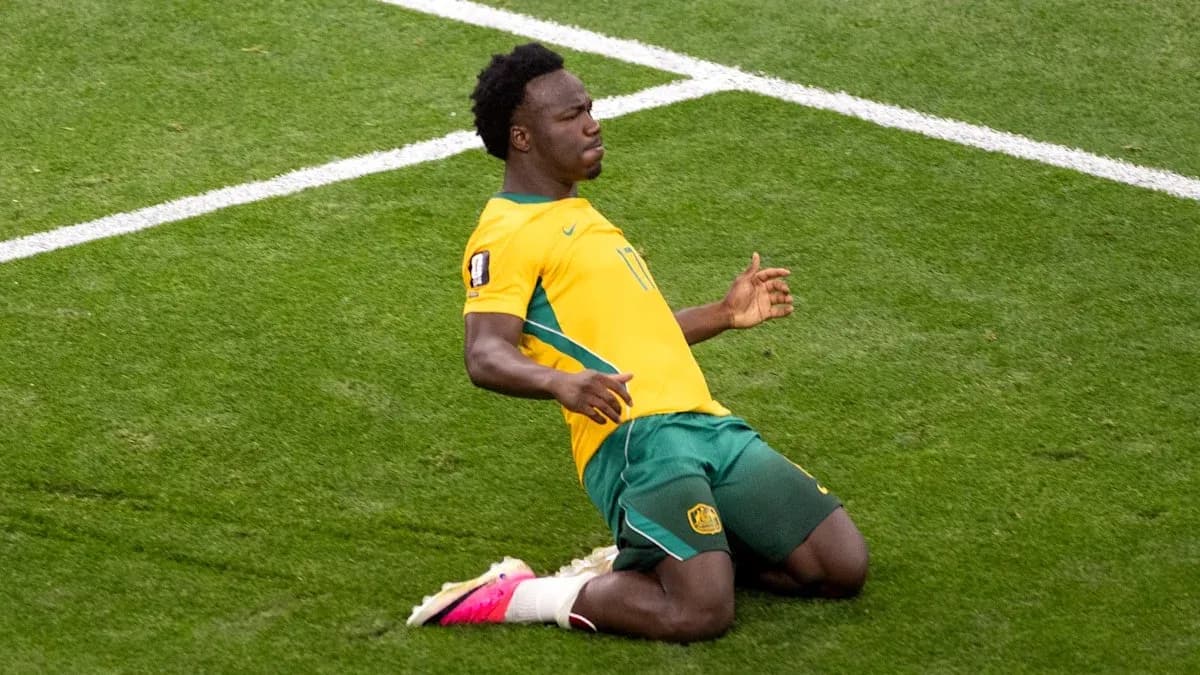
The USA match still lingers in the background. In Seattle, the Socceroos retreated into their shell, sat deep, and paid the price with two first-half goals conceded. Only when Connor Metcalfe, Nestory Irankunda and Cristian Volpato arrived from the bench did Australia finally bare its teeth and flip the momentum.
Popovic is a naturally cautious coach. That’s no secret. But former Socceroo Craig Foster wants the handbrake loosened.
“I hope so (that they attack), but they're a little bit more cautious under Tony Popovic, that’s the way that he coaches, that’s the reality,” Foster told 1170 SEN Breakfast, before quickly acknowledging the coach’s record: automatic qualification, something Australia had not managed “for some time”.
The lesson from Seattle, Foster argued, is obvious. If you sit off and fall behind, the climb back is brutal.
“I’d like a little bit more of an aggressive approach,” he said. He doesn’t expect Popovic to go “full attack” from the opening whistle, but he wants the young, rapid forwards on the pitch early, not as late rescue acts.
Volpato’s brief cameo against the USA has clearly left a mark. Foster called it “phenomenal” and believes it “has to make a statement to the coach”. His view is blunt: Volpato and Irankunda should be on from the first half, giving Australia the pace and incision to get ahead of Paraguay, then rely on a defensive organisation that has already shown it can be “very, very difficult to break down”.
The question hanging over Popovic is simple: does he trust his attackers enough to let them decide the group?
Colombia climb, Congo cling on
Elsewhere, Group K tightened.
Right-back Daniel Muñoz provided the decisive touch for Colombia, his 76th-minute strike the only goal of the game and enough to push them to the top of the group with six points. Efficient, ruthless, and exactly what you expect from a side with knockout ambitions.
Congo’s position is far more precarious. They sit on a single point, “hanging on by the skin of their teeth”. Beat Uzbekistan on Sunday and they can still sneak through as one of the best third-placed teams. Anything less, and the margins of this new World Cup format will swallow them whole.
Bellingham, Queiroz and a flashpoint in Boston
In Boston, the football hardly flowed. The drama came after the whistle.
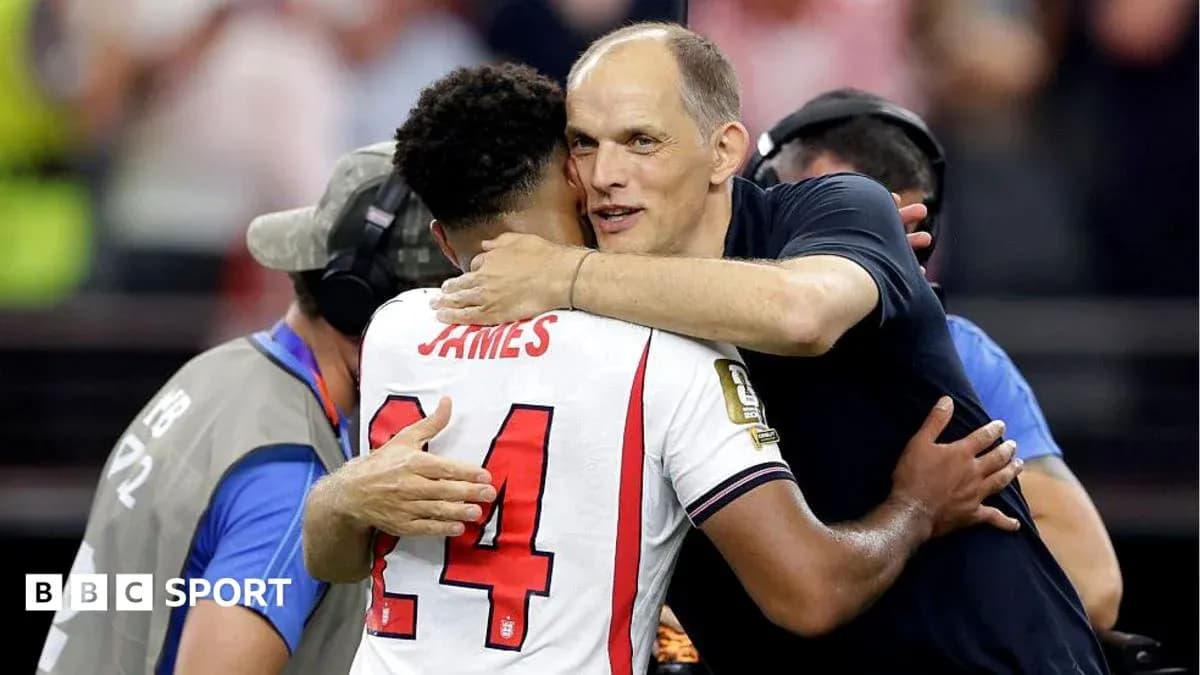
A scrappy, sub-par 0-0 left both sides frustrated. Jude Bellingham escaped a card for a heavy challenge on Jerome Opoku right in front of the dugouts, and that was the spark. As the players walked off, Bellingham and Carlos Queiroz locked into a heated exchange on the touchline.
Queiroz, visibly irritated, later revealed the source of his anger.
“He had a bad reaction with some bad names,” the veteran coach said. He explained that his first instinct had been to calm Bellingham down after the tackle, worried about his own player’s condition. In the heat of the moment, words escalated the tension.
“In the middle of the emotional moment these things are normal,” Queiroz added. “He swears and that created more tension. It's football, it's nothing special… Football is not dancing in a saloon with tuxedos. It's not a show.”
Bellingham’s version carried a similar theme but with a lighter touch. He admitted to a “silly tackle” while trying to win the ball, said he spoke to Opoku afterwards, and pointed to the reaction from the opposing bench, who leapt up seeking a yellow card.
Of Queiroz himself, Bellingham was respectful, noting he recognised the coach from his Manchester United days and insisting it was “nothing but a competitive edge for both of us”.
On the table, the stalemate nudged the group into shape. The draw opened the door for their rivals: the winners of the other fixture “opened their winning account” and jumped to third in Group L with three points, while England and Ghana sit first and second on four.
Croatia’s path is now clear. Beat Ghana on June 28 and they’re through to the Round of 32. Draw, and they cling to hope as a potential third-placed qualifier. Panama, already eliminated, will be playing only for pride when they face England the same day.
England hit the low block wall
For 95 attritional minutes at Foxborough, Ghana parked what felt like a double-decker bus. England never found the key.
The game descended into a tangle of fouls, missed calls and rising tempers. The refereeing was “really off (for both sides)”, the physicality high, the spectacle poor. Declan Rice’s yellow card captured the mood – a lunge that screamed pure frustration.
What a comedown from the 4-2 win over Croatia. That night had energy, movement, goals. This one had none of it.
Ghana walked away delighted, their defensive plan executed to perfection. England, still top of the group on goal difference with Ghana second, were left to sift through the rubble of a performance that never caught fire.
Micah Richards didn’t sugar-coat it. “The frustrating thing was that England weren't brave enough,” he said, highlighting the endless “safe passes” against a deep block. When a team sits that low, you need risk, you need incision. England rarely showed either.
Harry Kane, who had terrorised Croatia with a brace, spent this match shackled. He explained why.
“I was kind of man-marked there with (Thomas) Partey for a lot of the games,” he told the BBC. The close attention denied him the freedom to drop off, link play and then arrive late in the box. Ghana also defended their area with discipline, crowding the central lanes.
“We had plenty of crosses,” Kane said, “but just couldn't quite get the first contact.” The midfield, he added, found it hard to thread passes through a compact core. Only as the game wore on did England start to isolate their wingers in one-on-one situations and look remotely dangerous.
“You go through games like that,” Kane reflected. World Cups are built on such nights – tight, tactical, maddening.
Wayne Rooney, who knows Queiroz’s methods from their Manchester United days, called it a “typical performance” from a side drilled by the Portuguese coach. Low block, discipline, minimal space.
“You're always hoping for that energy and that performance that we had against Croatia in the second half,” Rooney said. He pointed to crosses as the key route to goal – the source of England’s best chances – and urged calm. The opportunity to finish top of the group remains; panic, he warned, is pointless.
FIFA’s penalty shake-up
Away from the group-stage grind, FIFA is preparing a subtle but important change to one of football’s most nerve-shredding rituals.
At present, a penalty shootout begins with two coin tosses: one to decide which end the kicks are taken into, another to determine which team goes first. Lose both, and you can find yourself shooting second in front of a hostile end – as Arsenal did in their Champions League final defeat to PSG.
FIFA wants to level that psychological playing field.
From the last 32 onwards at this World Cup, there will be a single coin toss. The winner will choose either to kick first or to select the end. The other captain gets the remaining decision.
The mechanics of the shootout stay the same: if teams are level after 90 minutes and 30 minutes of extra time, penalties decide it. But the balance of power at the toss will shift. One flip, two big calls, and far less room for stacked disadvantage.
Ronaldo answers back
The World Cup had barely begun and already the questions circled Cristiano Ronaldo. A 1-1 draw with DR Congo in Portugal’s opener triggered familiar debates: was the 41-year-old still worth his place? Was Roberto Martinez too timid to leave him out?
Ronaldo’s response was emphatic.
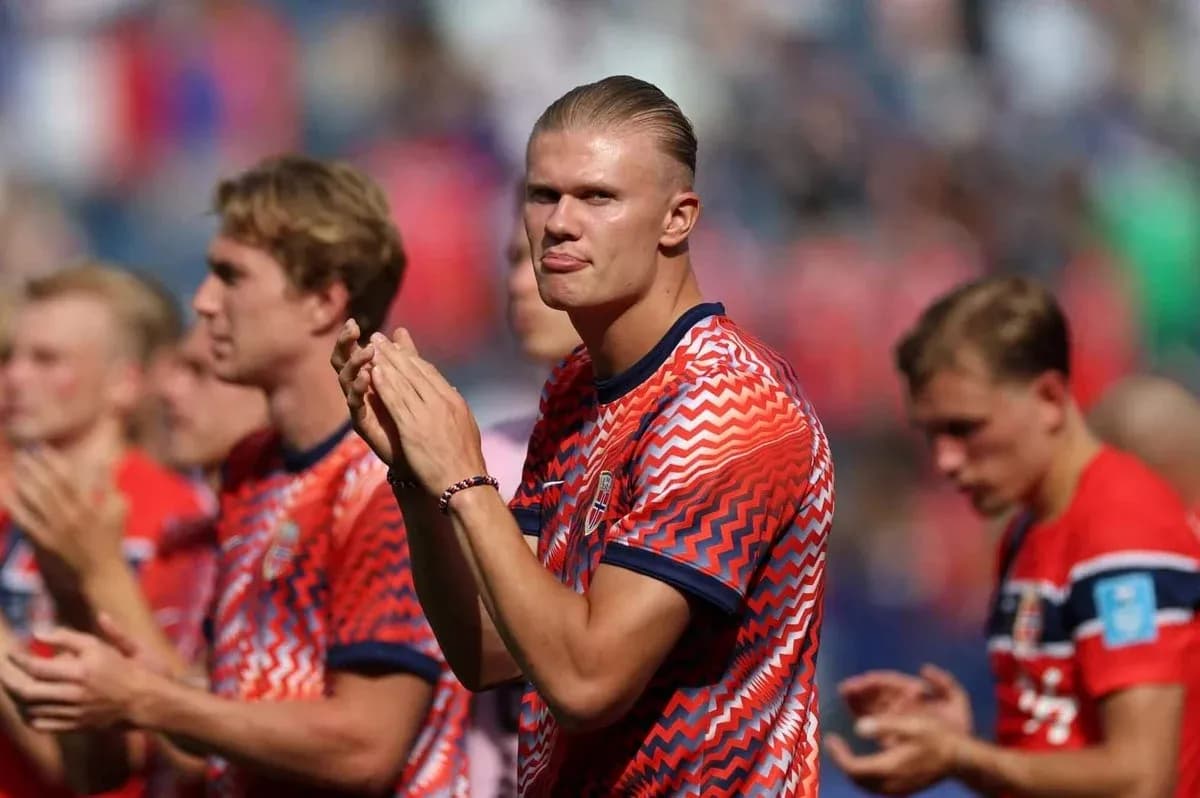
He scored twice in Portugal’s 5-0 demolition of Uzbekistan, a statement win that all but seals their passage to the knockouts and reasserts his status on the biggest stage. On a tournament day already lit up by doubles from Lionel Messi, Kylian Mbappé and Erling Haaland, he refused to be a footnote.
Afterwards, Ronaldo spoke with the rawness of a man who has heard every doubt and stored each one.
“I knew it. God helps those who work hard,” he said. He described a “difficult, dark week” in which it “felt like I was already retired from football”, but insisted he clung to his belief in work over reputation. “It was difficult, I have to confess, but we're back.”
Roy Keane, his former Manchester United captain, leapt to his defence with typical force.
“Cristiano Ronaldo was never gone. He is the man,” Keane said. He bristled at the idea that people had doubted “genius”, likening Ronaldo’s status to that of Tom Brady among global sporting icons.
“Again, he has joined the party,” Keane added. “The hardest point of the game is putting the ball in the back of the net. And he does.”
On this evidence, he still does it better than most.
Grief in the French camp
Amid the noise of the group stage, France received devastating personal news.
Didier Deschamps has left the national team camp following the death of his mother. The French Football Federation confirmed he will miss training sessions and will not be on the bench for Friday’s final Group I game against Norway.
“The national team coach learned this morning of the death of his mother and will return to France to attend her funeral,” the FFF said. In agreement with federation president Philippe Diallo, Deschamps has handed temporary charge to assistant Guy Stephan until his return.
For a squad already under the constant glare of expectation, it is a stark reminder that life does not pause for a World Cup.
England’s insomnia and America’s reality check
Back in England, fans who dragged themselves out of bed for that second group match could be forgiven for wondering why they bothered. Ghana’s plan was simple: defend for 90 minutes, absorb, survive. It worked.
England, for all their talent, looked short of ideas and patience. No chances of note, no rhythm, only irritation. Rice’s booking encapsulated the exasperation of a side banging on a locked door.
Across the Atlantic, the noise around the US team has been building for months. Brash talk, bold predictions, big statements. It all came to a head in that scrappy, bad-tempered clash with Australia, a match that offered more spite than quality.
Now one of their own has cut through the hype.
Former goalkeeper Tim Howard, speaking on the Unfiltered Soccer Podcast alongside Landon Donovan, delivered a blunt verdict on the USA’s chances of winning the World Cup.
“The US cannot, unequivocally, win the World Cup,” he said. To do so, he argued, they would need to produce the greatest performance in their history four times in succession, beating four global heavyweights from the last 16 through to the final.
“It is literally impossible for the US to win the World Cup… That’s just the reality.”
The World Cup has a habit of shredding illusions. Over the next week, we’ll find out who adjusts, who doubles down, and who simply can’t keep up.