.svg&w=384&q=75 "naujapitch logo")
Scholes Advocates for Dropping Rice in England's World Cup Strategy
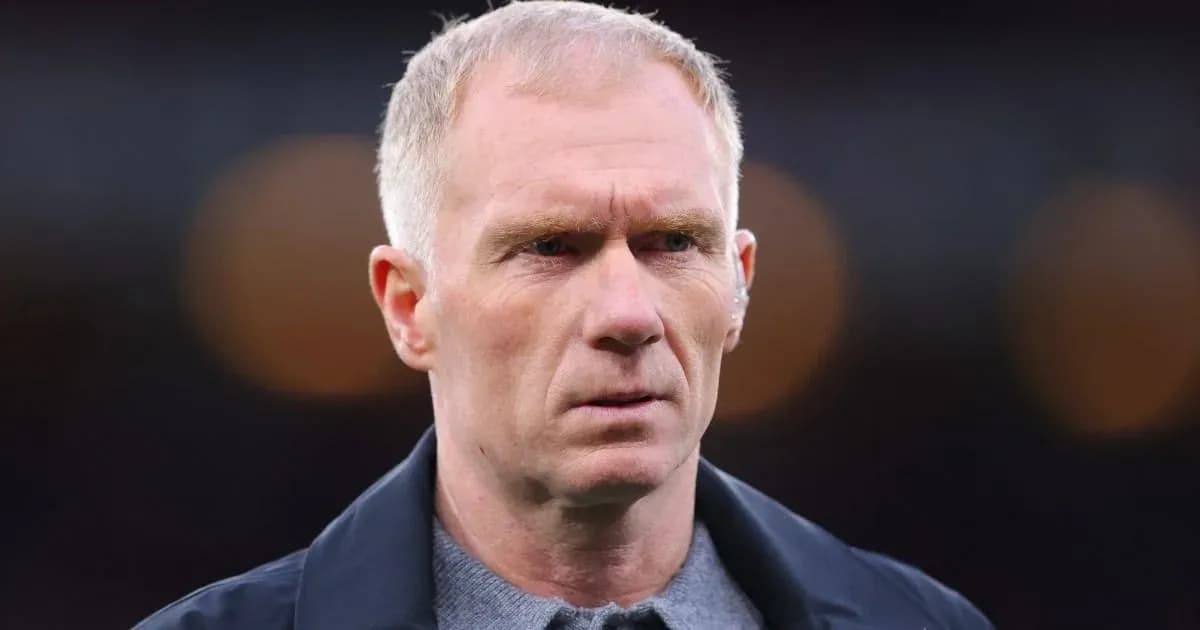
Paul Scholes has never been one to tiptoe around an opinion. This time, his target is a cornerstone of Thomas Tuchel’s England: Declan Rice.
With England safely into the World Cup last 32 after topping Group L with seven points from nine, the debate around style and selection has sharpened. DR Congo await on Wednesday in the United States, a tie England expect to control. Scholes believes that control should come without Rice.
Scholes: Drop Rice, unleash the attackers
Tuchel’s side opened the tournament with a statement 4-2 win over Croatia, a performance that hinted at a fearless, front-foot England ready to chase down 60 years of hurt. Since then, the momentum has stalled.
A flat, goalless draw against Ghana exposed familiar issues in breaking down a deep block. Against Panama, England again laboured, only finding the breakthrough after more than an hour before eventually easing to a 2-0 win.
Rice sat out that match, his absence explained by a combination of a lingering injury concern and the risk of suspension after a yellow card against Ghana. His status in the squad remains towering: an Arsenal title winner, widely regarded as one of the most reliable midfielders in world football. The expectation is that he walks back into the starting XI against DR Congo.
Scholes would do the opposite.
“England don’t need to play two sitting midfielders in the next game,” he said on The Good, The Bad & The Football podcast, cutting straight to the heart of his argument. Against a side like DR Congo, who are unlikely to dominate the ball, he wants Tuchel to tilt the pitch.
“No disrespect to Congo but in those type of games you play as many attackers as possible. I think it has to be a straight shootout between Declan Rice and Elliot Anderson, and I think I would just go with Anderson.”
The reasoning is simple in his eyes: progression, not protection.
“I think he will pass it forward a bit more,” Scholes continued. “Think about Rice with Arsenal… look, he’s a great player and a great leader, I get all that, and you’d rather him in your team than not most of the time.
“But Arsenal didn’t play great football last season either, did they? Rice couldn’t get [Martin] Odegaard in the game, so maybe that’s transferred a bit to England. I don’t think that happens with Anderson.”
Rice, in other words, is the untouchable Scholes would dare to touch.
England winning, but not convincing
The criticism is not aimed at Rice alone. Scholes is unconvinced by the broader picture.
“It wasn’t great, was it?” he said of the Panama win. Across the group stage, he simply has not seen a side he believes will lift the trophy.
“Across the three games I don’t think I’ve seen a team that will win the World Cup.
“It hasn’t been great but look, they could get better and they’re winning games and I do think they’ve got match winners in the team.
“I just don’t think they’re at the level of France or Argentina yet.”
That is the tension running through this England campaign: results on one side, rhythm on the other. Seven points, top of the group, and yet a nagging sense that the performances need to rise several levels if Tuchel’s team are to stand alongside the tournament’s heavyweights.
Butt backs Rice, but agrees on the system
Scholes is not alone in questioning the double pivot. Nicky Butt, his former Manchester United and England teammate, sees the same tactical issue but draws a different conclusion on personnel.
“You can’t play two sitting midfielders against teams who aren’t going to have any of the possession,” Butt said, echoing the call for a more adventurous setup.
The key divergence comes when the names go on the teamsheet.
“I’d definitely play Declan Rice in the next game so I would leave Elliot Anderson out.
“I think he’s been brilliant and is a top, top, top player which is why Man City have gone and paid £120m for him.
“I just don’t think you can leave Declan Rice out. He’s one of those players you just don’t leave out.”
For Butt, Rice remains non-negotiable. Anderson, the Nottingham Forest midfielder on the brink of a £116m move to Manchester City, is the one to make way despite his form and forward-thinking profile.
So Tuchel faces a clear split in the counsel from two men who know tournament football inside out: Scholes urging him to gamble on Anderson and sacrifice Rice for greater attacking thrust; Butt insisting the system must change, but not at the expense of England’s midfield leader.
DR Congo next, and no hiding place for Tuchel
England’s opponents in the last 32, DR Congo, edged through in third place from Group K after beating Uzbekistan, drawing with Portugal and losing to Colombia. They will not be expected to dominate the ball, nor to pin England back for long spells.
That is precisely why this selection call matters.
Play two holding midfielders and England risk another slow, suffocating performance in possession, the kind that drags belief out of a campaign even as results keep coming. Go with one sitter and an extra attacking presence, and Tuchel invites his side to impose themselves, to play like genuine contenders rather than careful survivors.
Rice or Anderson. Caution or incision. With the knockouts beginning and the margin for error shrinking, Tuchel’s choice in the middle of the pitch will say plenty about how boldly he intends to chase that long-promised end to 60 years of hurt.