.svg&w=384&q=75 "naujapitch logo")
Ouahbi Criticizes Controversial Goal Decision in France Opener
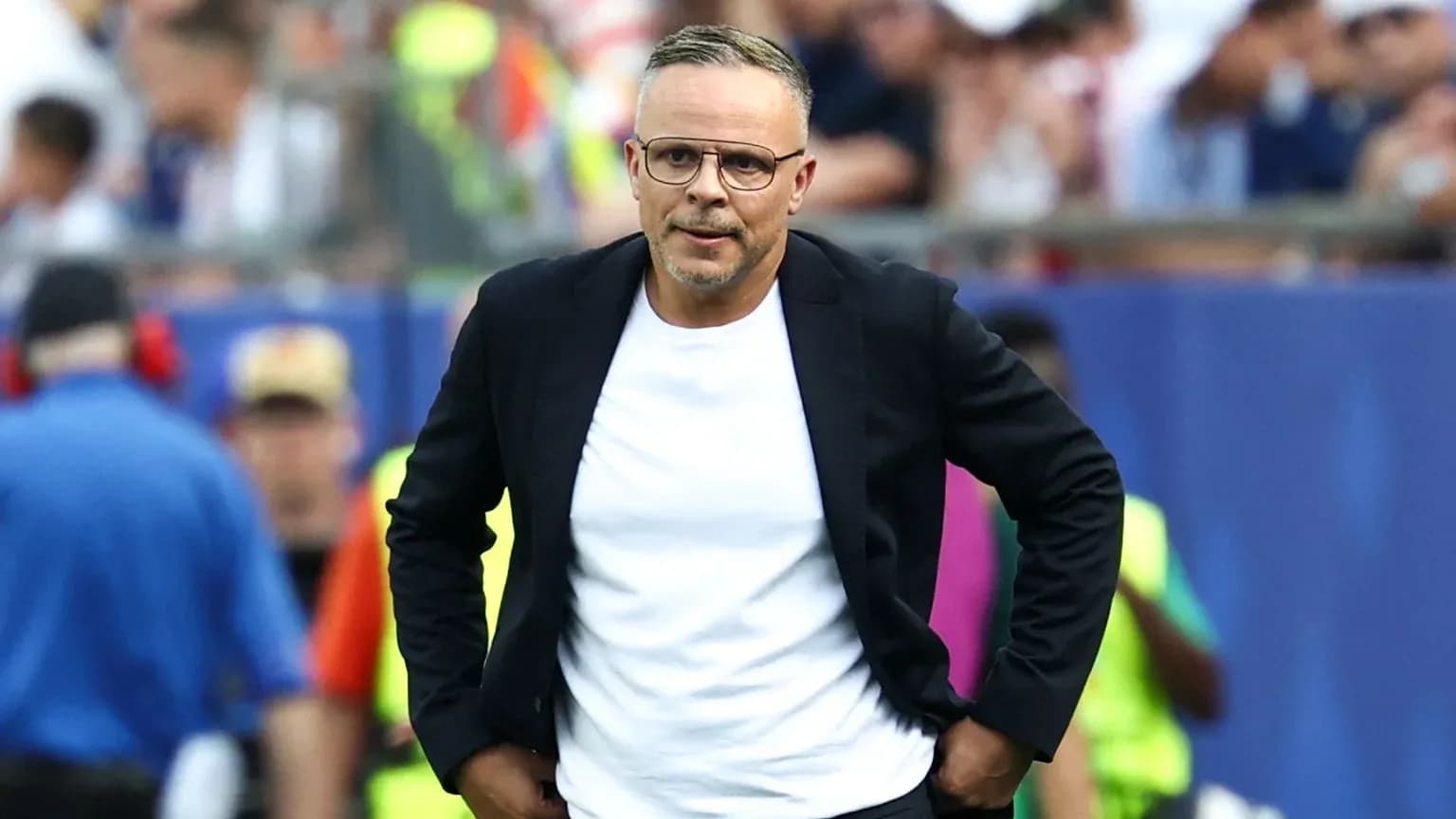
Walid Ouahbi walked away from an intense night of football still wrestling with one moment: France’s opener and the decision that allowed it to stand.
The Morocco coach was adamant that the move should never have reached Kylian Mbappe in the first place. In his eyes, Adrien Rabiot’s touch in the build-up crossed the line.
Ouahbi Slams Decision Over France Opener
Speaking to beIN Sports after the match, Ouahbi pointed straight at the controversy that lit the fuse.
“The goal came from a bit of a... shared ball, some people stopped because they saw a handball. It was a handball, I don't know if it should have been called or not, I don't know,” he said.
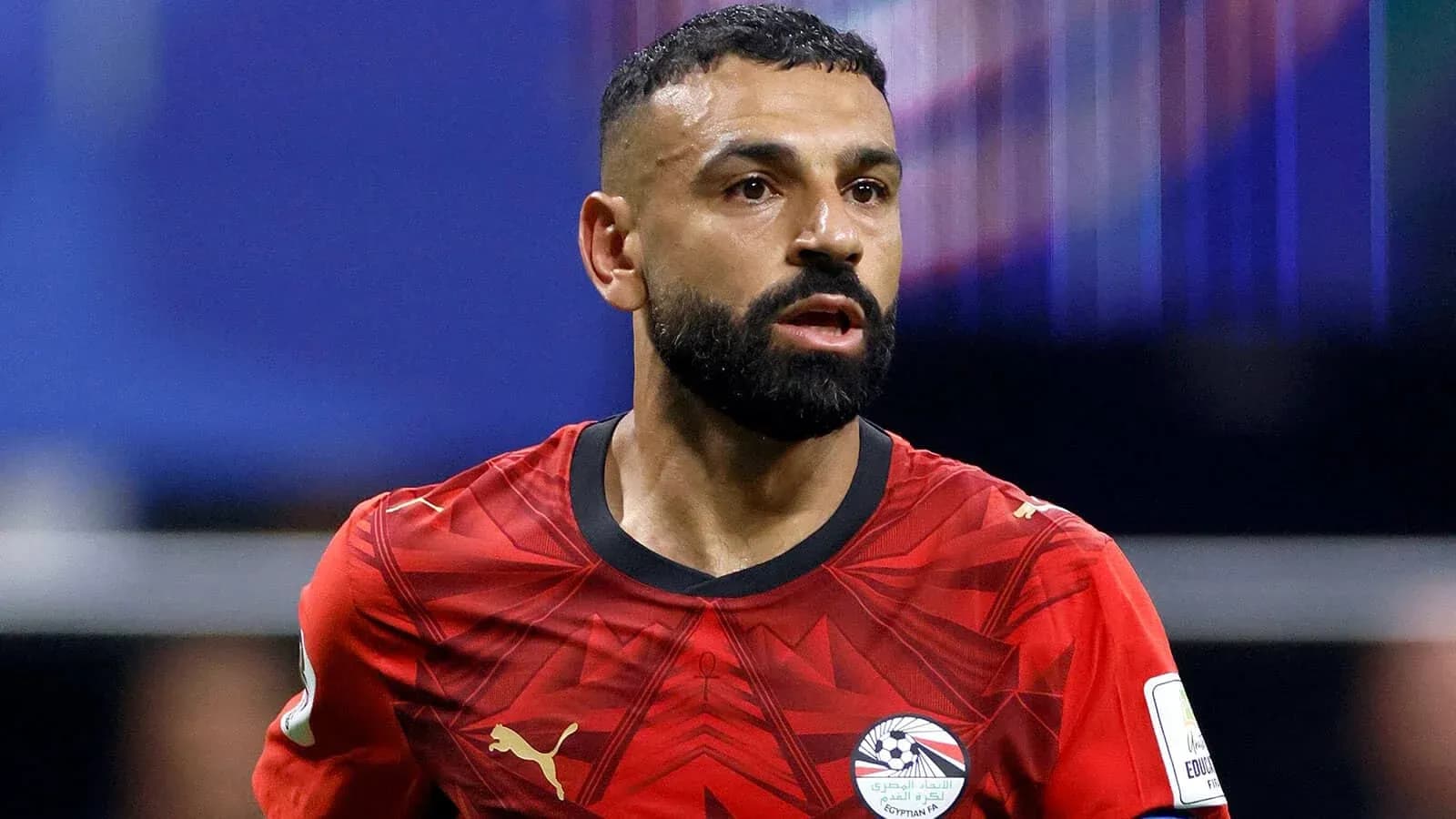
Rabiot appeared to handle the ball before it broke loose for Mbappe, who needed no second invitation and lashed it into the Moroccan net. The Moroccan defence had hesitated for a split second, expecting a whistle that never arrived. The damage was immediate. And irreversible.
The sense of injustice lingered, but Ouahbi refused to let it consume the entire story of the night.
Respect for Les Bleus, and a Response After the Break
He turned quickly from anger to admiration, underlining the gulf in quality his side had to bridge.
“We have to admit that we played against a very good team. We suffered a lot in the first half, and Bounou made a great save on the penalty,” he said, acknowledging how close France came to tightening their grip even earlier.
Morocco spent long spells chasing shadows before the interval, struggling to breathe under the French press. Some players, as Ouahbi put it, were “catching their breath” rather than dictating the tempo.
The restart changed the rhythm. Morocco began to hold the ball, to pass with purpose, to step higher up the pitch.
“In the second half, we defended better and, above all, we were more composed with the ball. We were much better. In the first half, it seemed like some players were catching their breath. We saw that these same players started the second half well,” he noted.
The improvement was clear. The back line tightened, the midfield stopped panicking in possession, and France no longer cruised through the lines at will. The match turned into a contest rather than a procession.
Pain, Perspective and a Plan
Still, the closing stages were brutal. Morocco pushed, legs grew heavy, and the clock became an enemy.
“It was tough at the end, but I believe we must continue to believe, to work,” Ouahbi said, the disappointment obvious but controlled.
He spoke not like a man crushed by elimination, but like one already sketching the next phase. Depth, he stressed, will decide how far this project can go.
“We must also continue to work on the basics, ensuring that when there are injuries, players who are less fresh, we can have a larger pool of players. We will continue, we will not stop here. We are very disappointed, we wanted more, but we have to accept it.”
A controversial goal. A goalkeeper’s big moment. A second-half reaction that hinted at something more. Ouahbi left the pitch angry at the call, proud of the response, and fully aware of the task ahead: turn flashes of resistance into a squad strong enough that one decision, however painful, no longer defines their night.