.svg&w=384&q=75 "naujapitch logo")
Morgan Gibbs-White: Nottingham Forest's Talisman and Future Star
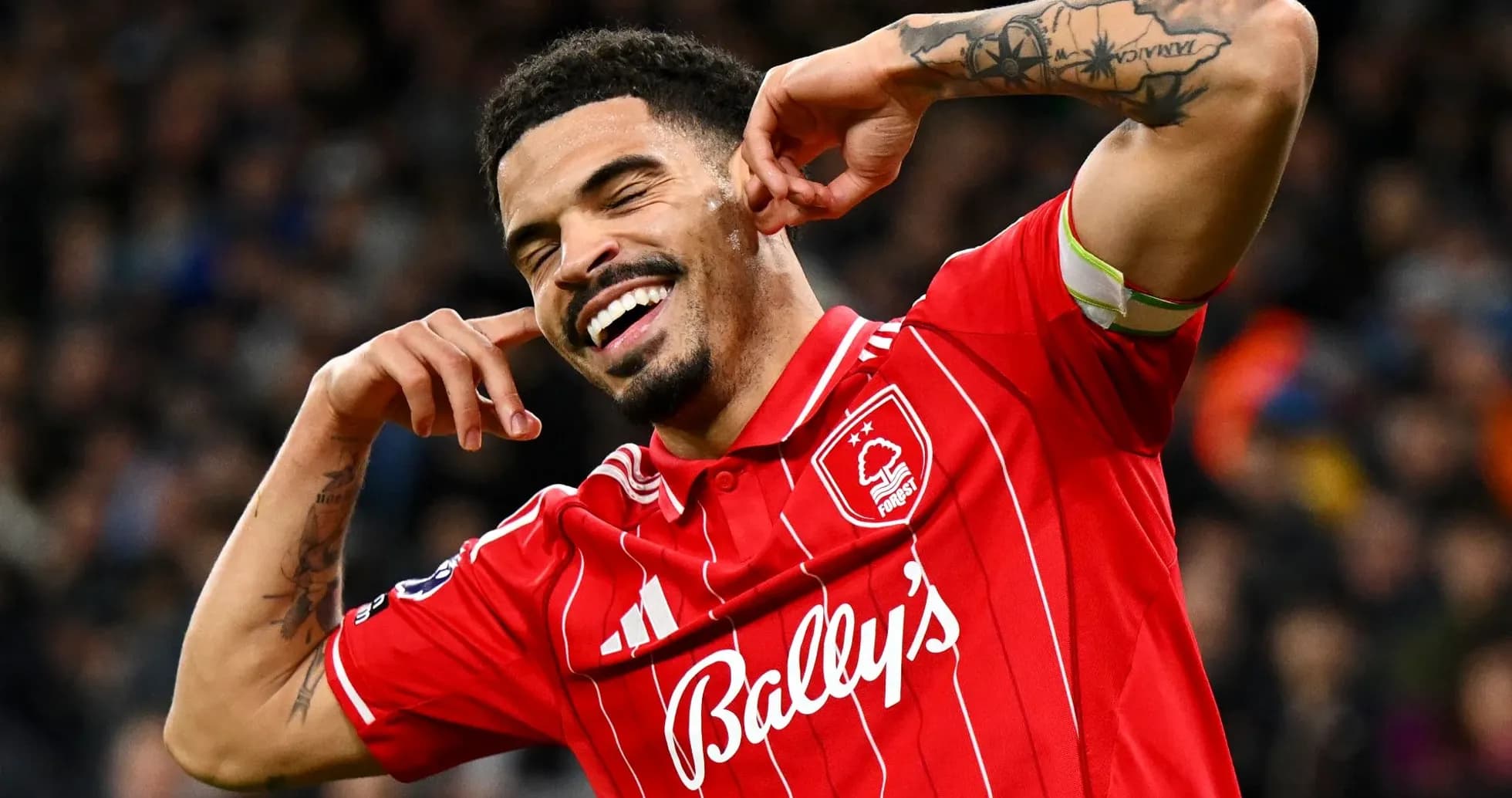
Morgan Gibbs-White has never exactly blended into the background on Trentside. Since arriving in 2022 in a deal that could rise to £42 million, he has grown into the face of Nottingham Forest’s new era: the swaggering No.10, the crowd’s lightning rod, the player the club are happy to keep triggering clauses for because he keeps delivering.
The numbers back that up. Goals and assists have climbed season on season, but last year he kicked through a ceiling. Eighteen goals in all competitions, 15 of them in the Premier League, plus crucial strikes in a Europa League run that carried Forest all the way to the semi-finals. For a club that not long ago were fighting just to stay in the division, those are transformational returns.
He has not just been the creative hub. In Ryan Yates’ absence, Gibbs-White has worn the armband, a symbolic confirmation of what everyone at the City Ground already knew: this is his team now. On the pitch, he demands the ball; off it, he has become a reference point for a squad still working out how high it can climb.
That rise could easily have taken a very different turn. When Tottenham came calling, Forest owner Evangelos Marinakis stepped in, shutting down a proposed move and making it clear that his No.10 was not for sale. Gibbs-White stayed, signed a new contract and doubled down on his role as Forest’s talisman.
The reward he really wanted never came. When England’s 2026 World Cup squad dropped, his name was not on it.
That omission has fuelled the inevitable debate. Can a player with his ambition, his profile, truly get everything he wants at Forest? Or does the next step in his career lie away from the banks of the Trent, at one of the so-called “big clubs” where the glare is harsher but the stage is bigger?
To Des Walker, Forest legend and sharp judge of character, the answer sits inside the player’s own head.
“It depends on the individual people's egos, doesn't it really?” Walker told GOAL, speaking in association with World Cup betting. “And once you go to the big clubs, you have to have enough confidence to go into squads and really walk in there and think, ‘I'm the man’. And if you have that, then it works.”
Walker has seen enough to know Gibbs-White has the tools. “He's got ability, he's got very good ability and at Forest they love him. And some of his games where he's not as consistent get overlooked. When you go to the big clubs, they don't overlook them, you're under constant scrutiny.”
That is the trade-off. At Forest, the adoration buys patience. At a Champions League-chasing giant, it buys you nothing.
“So, it depends on how far he thinks he can go,” Walker continued. “Because these number 10s in this world, they're superstars and they like to be the centre of attention. He does.
“So, sometimes people look at Forest, he's got all the centre of attention he needs. But sometimes people want that big move and that gives them centre of attention as well. But it becomes a bit of a noose around your neck as well at times.”
For now, Gibbs-White remains one of the first names on the Forest team sheet, and his status shapes everything around him. The club are about to step into another new chapter under Austrian head coach Oliver Glasner, and the playmaker’s presence is both a blessing and a barrier. Blessing, because Glasner inherits a ready-made focal point. Barrier, because any other creative player has to fight for scraps of influence.
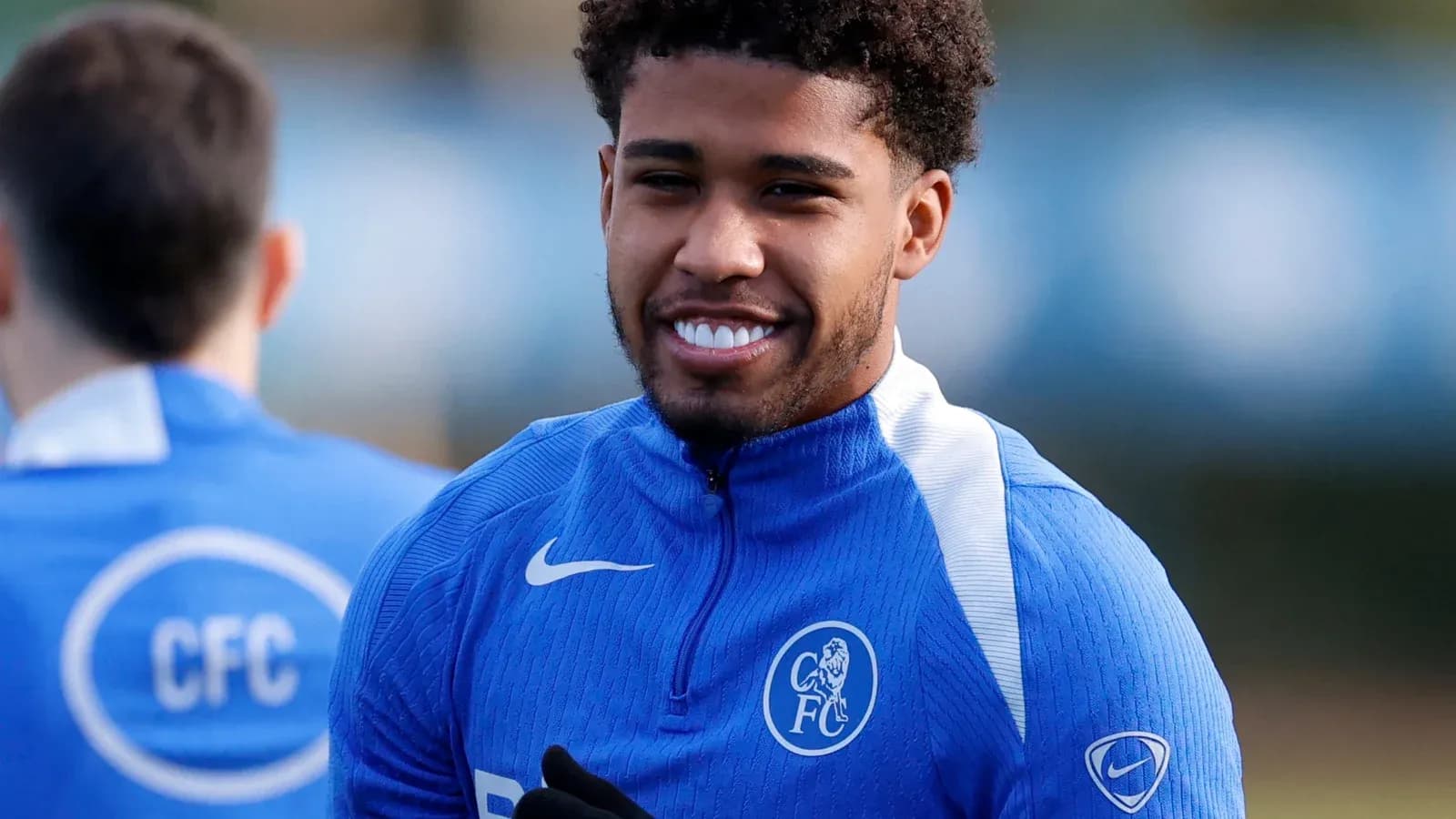
No one has felt that squeeze more than James McAtee.
Forest spent around £30m to prise the former England U21 captain away from Manchester City in the summer of 2025, a bold statement that they were shopping in a different aisle now. On paper, McAtee looked like a perfect fit: technically polished, schooled in City’s possession-heavy football, and young enough to grow with the project.
Reality bit hard. One goal in his debut season – a penalty in continental competition – and just 289 minutes of Premier League football tell their own story. While Gibbs-White thrived as the main act, McAtee often watched from the wings.
Walker understands why the transition has been so jarring.
“Any move is difficult,” he said. “It's always easier when you're Manchester City, primarily they've got the ball for 70% of the time. So, if you're getting your lines, it's easier to look more comfortable than when you've got to work to get it and the ball's missing you out. Sometimes the ball's at 50-50 and you're getting kicked up in the air, and Forest are just trying to stay in the game.”
That is Forest’s reality. Fewer rehearsed patterns, more chaos. Less of the ball, more bruises.
“So, it is difficult,” Walker added, “but the following year you've got to find a way of stamping your authority on a game of football. You've got to make a difference to a football match. And so far, he hasn't made a big enough difference to warrant his place.”
That is the challenge facing McAtee as 2026-27 looms: to move from squad option to genuine rival for minutes in the most crowded part of the pitch. To show he can bend a game, not just keep up with one.
For Glasner, it is a fascinating puzzle. How do you build a system that maximises a homegrown superstar in Gibbs-White, tests the ceiling of a £30m signing in McAtee, and still drags Forest closer to the elite level their owner craves?
And for Gibbs-White himself, the question is sharper still: if he keeps carrying Forest, how long before the “big move” stops being a talking point and becomes a decision he can no longer avoid?