.svg&w=384&q=75 "naujapitch logo")
Marcus Rashford's Uncertain Future Amid World Cup Preparations
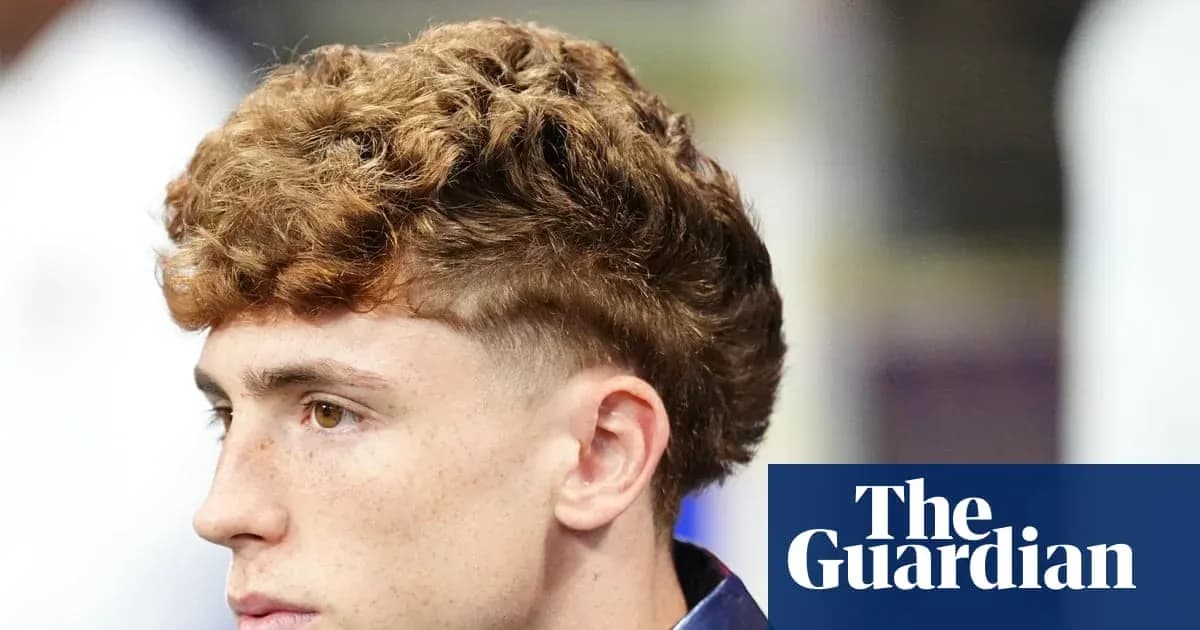
Marcus Rashford stands on the brink of a World Cup he is expected to start for England, yet has no clear idea where he will be playing his club football by the time the tournament dust settles. A forward preparing for Croatia in Dallas on 17 June, but preparing in limbo. It is a jarring contrast, and it sums up the strange, unsettled chapter his career has drifted into.
The uncertainty began six months ago, when Ruben Amorim, then Manchester United head coach, made the brutal call. Rashford was cut from his first‑team plans in December 2024. No soft landing, no gradual phase-out. Just a clean break that sent him first to Aston Villa, then to Barcelona, in search of rhythm and relevance.
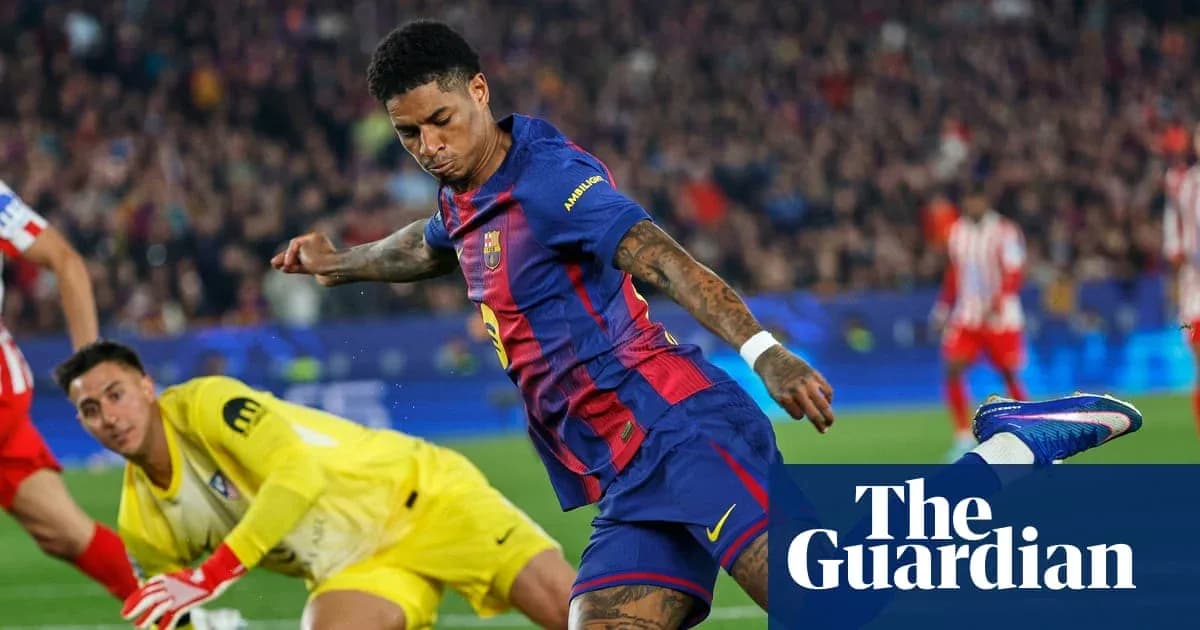
Barcelona seemed to offer both. He has not exactly disappeared there. A free-kick against Real Madrid in the clásico earlier this month helped clinch La Liga, a moment that felt like a turning point, the kind of strike that usually anchors a permanent move. Rashford, 28 now, spoke like a man who wanted roots, and wanted them in Catalonia. “I am not a magician but if I was, I would stay,” he said after that goal on 10 May. “We will see.”
Yet nothing about this saga is straightforward.
Barcelona’s intentions are cloudy. Their move for Anthony Gordon, a £69m signing from Newcastle and another left-sided attacker, has muddied the waters. If there is room for Rashford at all, the expectation is that it would again be on loan, not as a long-term pillar of the project. United, for their part, are digging in. They want a permanent transfer and a £26m fee, a relatively modest price for a player in his prime years and a product of their own academy, whose contract runs until May 2028.
That figure tells its own story. The real weight in this deal is not the fee, but the wages. Rashford earns £17.5m a year. There is roughly £35m left on his current United deal. The club want that cost off their books. Any club taking him on loan would be expected to shoulder all or most of that salary. Any permanent buyer knows he will not leave Old Trafford without at least maintaining, and likely improving, those terms.
Barcelona, at present, do not look ready to make that kind of commitment.
So where does he go if not there? The romantic notion of a fresh start back at United is, in reality, close to fantasy. Amorim has gone, Michael Carrick is in as permanent successor, yet the block on Rashford’s return lies higher up the food chain. Sir Jim Ratcliffe, the minority owner who controls football policy, has no appetite for a reconciliation. Nor do his key lieutenants, Jason Wilcox, the director of football, and Omar Berrada, the chief executive. At the top level of the club, Rashford remains persona non grata.
That pushes the conversation towards the rest of Europe’s elite. When his Villa loan ended last summer, Rashford’s camp were clear: the preference was a Champions League club, but not in London. If that stance softens, Arsenal immediately enter the frame.
On pure football logic, he fits. Mikel Arteta could view Rashford as an upgrade on Leandro Trossard and Gabriel Martinelli on the left of the Premier League champions’ attack. His ability to operate as a No 9 gives Arsenal another dimension alongside Kai Havertz and Viktor Gyökeres. A player who can stretch the pitch, drift inside, and finish, while still only 28, is not easily ignored.
The same logic applies at Liverpool. Cody Gakpo is their only senior, natural left-sided option and his output last season was unconvincing. For Liverpool, Rashford would bring pace, direct running and a proven big-game temperament. The question is on the other side of the equation: would Rashford be willing to cross that divide, to swap Old Trafford for Anfield and turn professional disaffection into something approaching open defiance of tribal lines?
Villa would not be a step down either. Under Unai Emery, Rashford thrived, particularly in the Champions League, where he looked liberated and decisive. A return to the Midlands would offer familiarity, a coach who clearly knows how to use him, and the European stage he craves.
Then there is the wider continent. Paris Saint-Germain have admired him in the past, but timing and squad balance work against a move now. They have Khvicha Kvaratskhelia, one of the world’s outstanding left-sided forwards, locked into that role. Bayern Munich have Luis Díaz in the same zone. Real Madrid have Vinícius Júnior, immovable on the left. At the very top, the doors are not wide open.
So everyone waits. The transfer window opens on 15 June, but this is unlikely to be a quick deal. Too many variables, too many agendas. United want a fee and a wage dump. Barcelona want flexibility and value. Other suitors must weigh salary, system fit and the risk-reward of a player whose numbers, at least last season, were solid rather than spectacular.
Rashford’s La Liga return – eight goals and nine assists – is respectable, but not the kind of irresistible output that forces a club to rip up its financial plan. It explains, in part, Barcelona’s caution. They have seen the flashes, they have benefited from the big moments, yet they have not seen enough to make the leap.
All of which places unusual emphasis on the World Cup. For Rashford, it should be a sanctuary from the noise, a chance to lead the line for England and park the club debate until July. In reality, every run, every finish, every free-kick in Dallas and beyond will feed into the calculation.
If he lights up the tournament, that £26m fee, even topped up by a high-end salary, will look like a bargain. If he drifts through it, the enigma deepens and the market hesitates.
For now, Rashford stands between two worlds: the boy from Wythenshawe frozen out of his boyhood club, and the seasoned international who just helped Barcelona retain La Liga. The next move will decide which version defines the rest of his career.