.svg&w=384&q=75 "naujapitch logo")
Manchester United's Summer Transfer Challenges: A Flexible Plan
Manchester United’s summer was never supposed to look like this. Not a scramble, not a series of near-misses and rewrites. The plan was clear: one elite midfield signing to anchor a new era. Instead, the window has turned into a test of nerve.
Elliot Anderson to Manchester City for £116 million. Mateus Fernandes to Tottenham for £85 million. A £35m agreement for Éderson with Atalanta, only to be abandoned after medical tests. United haven’t torn up their blueprint, but it’s been redrawn so many times the edges are starting to fray.
A flexible plan, or a moving target?
Before the window opened, CEO Omar Berrada warned United would need to be “flexible.” It sounded like a polite caveat at the time. It now reads like a mission statement.
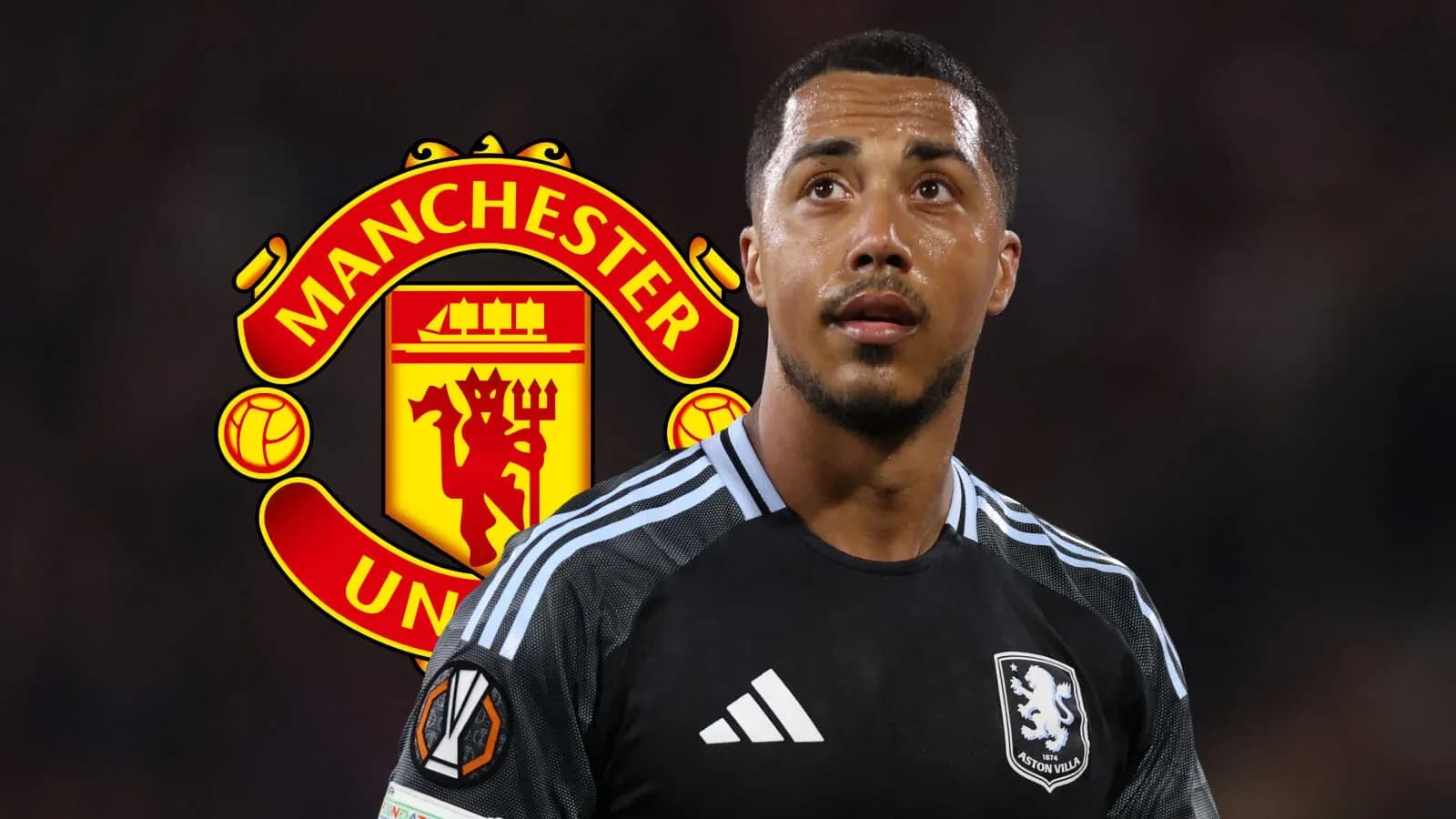
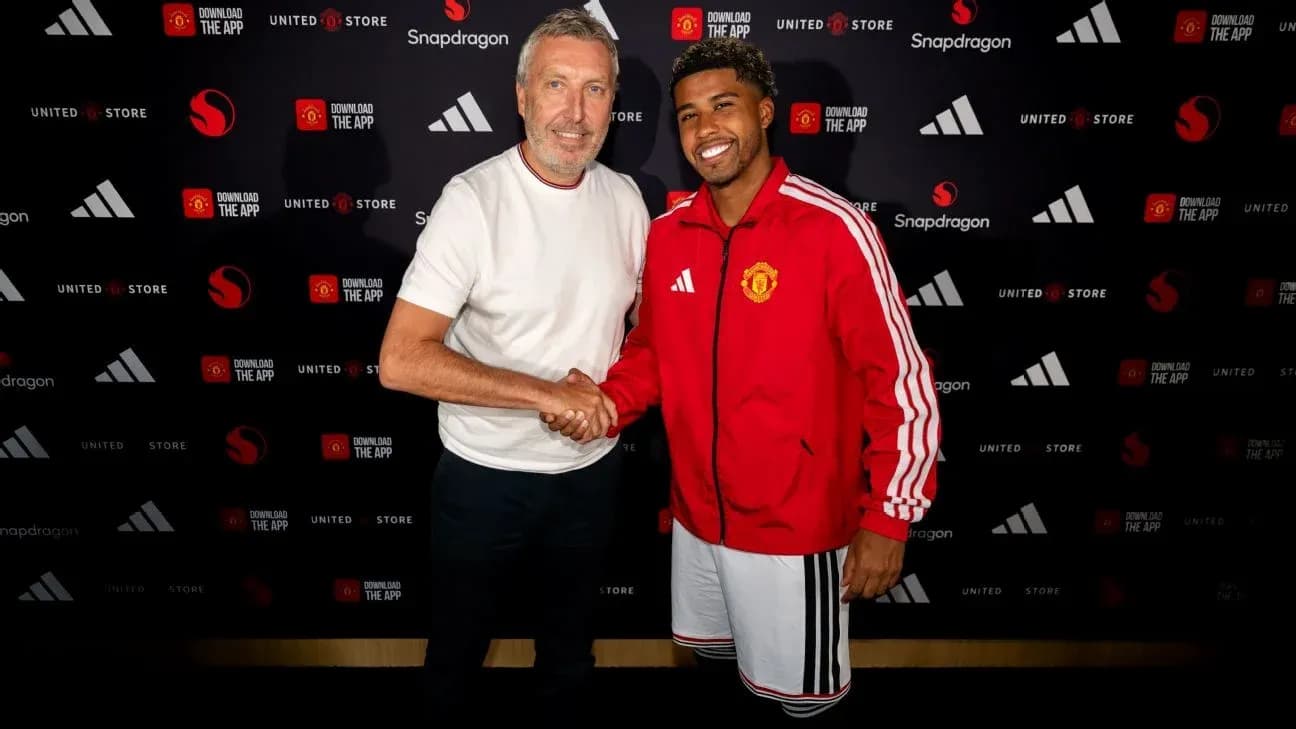
Instead of Anderson and Fernandes as the centrepieces of a midfield rebuild, the focus has shifted. Andrey Santos has arrived from Chelsea for £48m, Youri Tielemans from Aston Villa for £35m. Different profiles, different price points, same pressure.
Inside the club, Berrada and director of football Jason Wilcox have tried to project calm. United have a history of blinking when the market blinks back. This time, according to sources, the priority has been as much about avoiding the wrong deals as landing the right names.
They knew early that Anderson, the England star and initial top target, was drifting out of reach. Manchester City’s interest and Nottingham Forest’s demand for an initial fee close to £120m pushed the deal towards fantasy.
United had seen this film before.
Lessons from Semenyo and the City effect
In January, they thought they were well placed for Bournemouth winger Antoine Semenyo. Positive talks with his camp, a clear role in mind. Then City arrived. One meeting later, wage expectations climbed, and United stepped away. Semenyo went to the Etihad for £64m.
United had braced for Liverpool to be the main rival. Instead, City’s presence reshaped the entire framework of the deal. That episode lingered in the background when Anderson came into focus. United chose not to chase a bidding war they knew could spiral, and cooled their interest before it became another Semenyo situation.
Fernandes was different, and in some ways more frustrating. United had budgeted between £80m and £90m for a midfielder and could have matched Tottenham’s £85m offer to West Ham. But in talks, sources say they never felt a firm signal from Fernandes that Old Trafford was his preferred destination.
When the moment came to decide whether to go all-in and meet West Ham’s demands, doubts over the player’s commitment weighed heavily. Spurs pushed. United paused. Fernandes went to north London.
Inside the recruitment department, that stance jarred with memories of last summer, when Bryan Mbeumo and Matheus Cunha both pushed hard to join United despite interest from clubs in the Champions League. Their clarity, sources believe, helped them settle quickly.
There are still staff at Carrington who look at Jadon Sancho’s struggles and wonder if his hesitation in 2021 about leaving Borussia Dortmund for United left a mark that never quite faded.
Tielemans ticks the box
Tielemans, by contrast, left no room for doubt. Premier League hardened, technically secure, and crucially, eager. The Belgium midfielder made it clear early that he wanted to play for United. That matters to Berrada and Wilcox.
So did the numbers. His £35m release clause removed the “United tax” that the club feel routinely inflates asking prices once their name is involved. Berrada is known to favour such clauses for precisely that reason.
Tielemans’ move came only days after United walked away from Éderson. A £35m agreement with Atalanta had been in place before the World Cup, only for medical tests to flag an issue that led United to halt the deal. Club sources have not ruled out returning to it later in the summer, but for now it is off the table.
Money matters, even with Champions League qualification boosting revenue. Fernandes had initially been placed in a £40m-£50m bracket, especially if West Ham had gone down. The final £85m fee sparked internal concern that it could drag the entire midfield market upwards. Santos at £48m plus £2m in add-ons, by comparison, felt like a more controlled investment.
Tottenham’s shockwave and a shifting market
United’s recruitment team pride themselves on anticipating rival moves. This summer, Tottenham jolted those predictions. Few at Old Trafford expected Spurs to drop a combined £185m on Fernandes and Newcastle’s Sandro Tonali, another midfielder United had tracked.
That kind of early, aggressive spending reshapes the landscape. Prices rise. Negotiations harden. And a club trying to operate within stricter financial parameters suddenly finds less room to manoeuvre.
United’s own budget has been a moving target. The initial hope was that outgoings could fund the marquee midfield addition. Rasmus Højlund’s £40m move to Napoli was part of that calculation, as were potential sales of Marcus Rashford, Manuel Ugarte, Joshua Zirkzee and Altay Bayindir, with an internal target of around £90m in income.
The reality has been messier. Barcelona chose not to take up the option to sign Rashford permanently for £25m. Ugarte, injured badly playing for Uruguay at the World Cup and facing close to a year out, is no longer a candidate to leave. Each twist chips away at the flexibility Berrada wanted.
One eye on a third midfielder
Even so, United have not closed the door on bringing in a third midfielder, especially after Ugarte’s injury. The scouting net is wide.
- Bournemouth pair Alex Scott and Tyler Adams are on the list.
- So is Fulham’s Sander Berge.
- Crystal Palace’s Adam Wharton has been tracked extensively, as have Wolves’ João Gomes, Roma’s Manu Koné and Lille’s Ayyoub Bouaddi, the 18-year-old Morocco midfielder who impressed at the World Cup.
Eduardo Camavinga has been offered to several Premier League clubs, including United, while last summer’s enquiry for Brighton’s Carlos Baleba ran into a hard line: any deal would require an initial fee comparable to the £100m Chelsea paid for Moisés Caicedo in 2023.
Those are heavyweight numbers. United, despite their stature, are not behaving like a club willing to spend blindly.
More than just the midfield
The squad needs more than central reinforcements. A left-sided player, either a full-back or winger, is on the agenda, along with a second striker. Depth is no longer a luxury; it is a requirement with Champions League football returning and the physical demands on the squad set to rise.
In goal, Wales international Karl Darlow, 25, is expected to arrive from Leeds United as experienced cover for current No.1 Senne Lammens. Not glamorous, but necessary.
The broader aim is clear: raise the overall quality of the starting XI from last season’s third-place finish and thicken the bench so the drop-off between first choice and backup is not so stark.
Calm amid the noise
Outside the club, frustration has started to bubble. Supporters look at City’s ruthlessness, Tottenham’s spending, and ask where United’s statement signing is. Inside, the message from sources remains consistent: judge the window when it closes, not in mid-July.
There are six weeks until the Premier League kicks off on Aug. 22, seven until the market shuts on Sept. 1. In that time, plans will shift again. Targets will change. Some doors will close, others will open unexpectedly.
United began the summer with a neat script. The market has torn it up. What remains is a club trying, at last, to resist panic and navigate a chaotic window with a steadier hand.
By September, we will know if that restraint has laid the foundations for progress — or left United watching their rivals disappear over the horizon.