.svg&w=384&q=75 "naujapitch logo")
Manchester United's Rashford Dilemma: Balancing Finance and Football
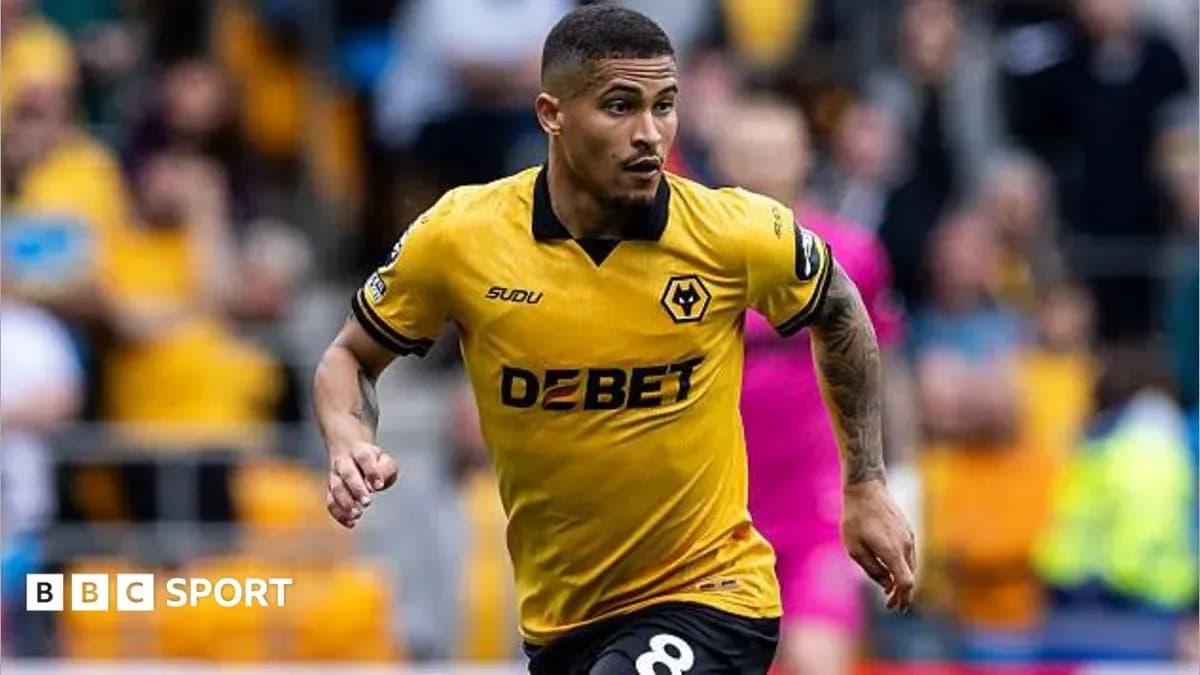
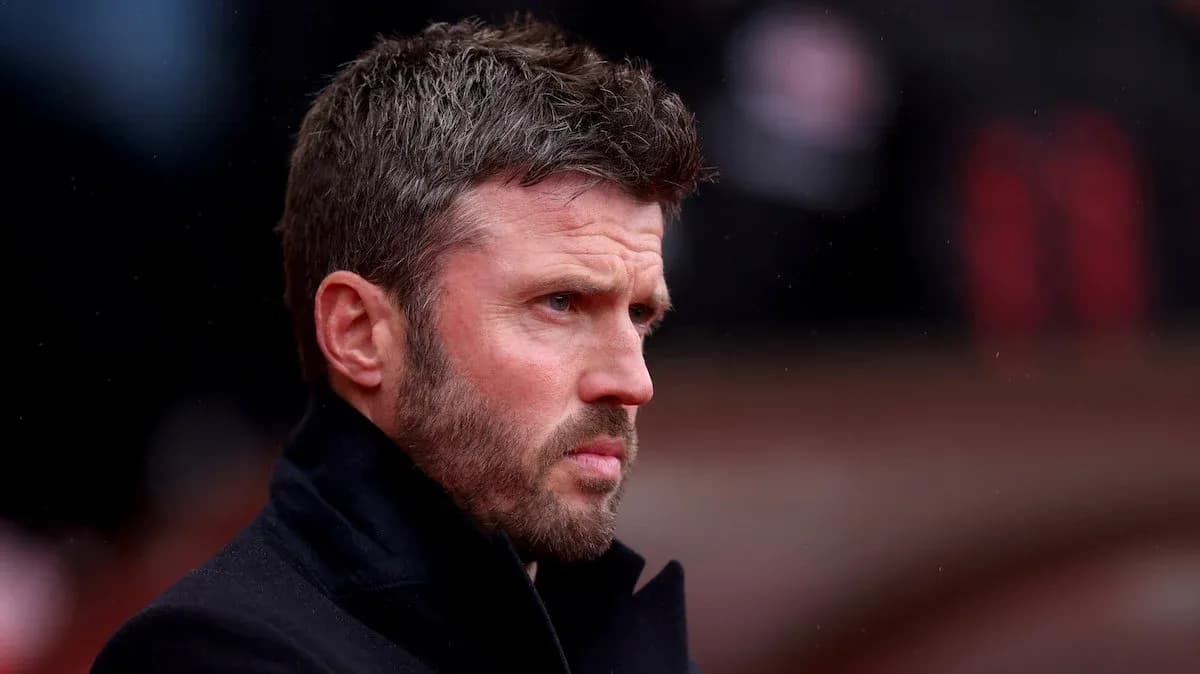
Manchester United are still preparing to sell Marcus Rashford this summer. New head coach Michael Carrick would rather keep him. The club have missed out on their first-choice wide targets. Yet the plan hasn’t changed.
Why? Because at Old Trafford in 2026, the calculator is beating the coaching manual.
A financial decision dressed as a football one
Rashford’s exile under Ruben Amorim last December was framed as a disciplinary issue, a question of standards and behaviour. That suited everyone. It put the focus on the dressing room, not the balance sheet.
But the real story sits on a spreadsheet.
Rashford earns £325,000 a week once his Champions League clause kicks in. His contract runs to 2028. Over the next two years, United are on the hook for close to £34 million in wages alone.
For INEOS, that is the heart of it. If one of the club’s highest-paid players has underperformed for 18 months, the instinct is not to rehabilitate the asset. It is to remove it.
Sir Jim Ratcliffe’s regime has been relentless about trimming the wage bill since his co-ownership was confirmed in 2024. Casemiro’s “One More Year!” was rejected despite fan pressure, because that extra season would have cost around £350,000 a week. The same logic now underpins the Rashford stance. It applied when Amorim wanted him gone. It still applies even with Carrick ready to reintegrate him at Carrington.
This is not about Rashford as a bad influence. It is not even primarily about Rashford as an underperforming forward. Erik ten Hag, hardly a sentimentalist, once called him “unstoppable” a week after dropping him for turning up late.
The decision lives in the offices at M16, not the dressing room. Ratcliffe built his fortune by obsessing over margins. Rashford has become a line item, not a local hero. And if that jars with the image of the “Local Lad” who grew up down the road while the new powerbroker lives in Monaco, that is a discomfort United’s ownership seem prepared to live with.
The PSR rules only sharpen the edge. As an academy product, any transfer fee for Rashford counts as “pure profit” in the club’s accounts. That is why last summer’s £26 million buy option in his loan to Barcelona, derided as low at the time, made sense on a balance sheet. Barca didn’t trigger it, but the principle remains: any meaningful offer now is a clean hit of profit.
Sell Rashford. Bank the PSR gain. Use the money on a replacement.
The Summerville equation
The counterpoint is obvious: if you are going to sell Marcus Rashford, you had better be sure you can replace him with someone better.
United’s recruitment board don’t seem convinced they can. Not at their preferred price, anyway.
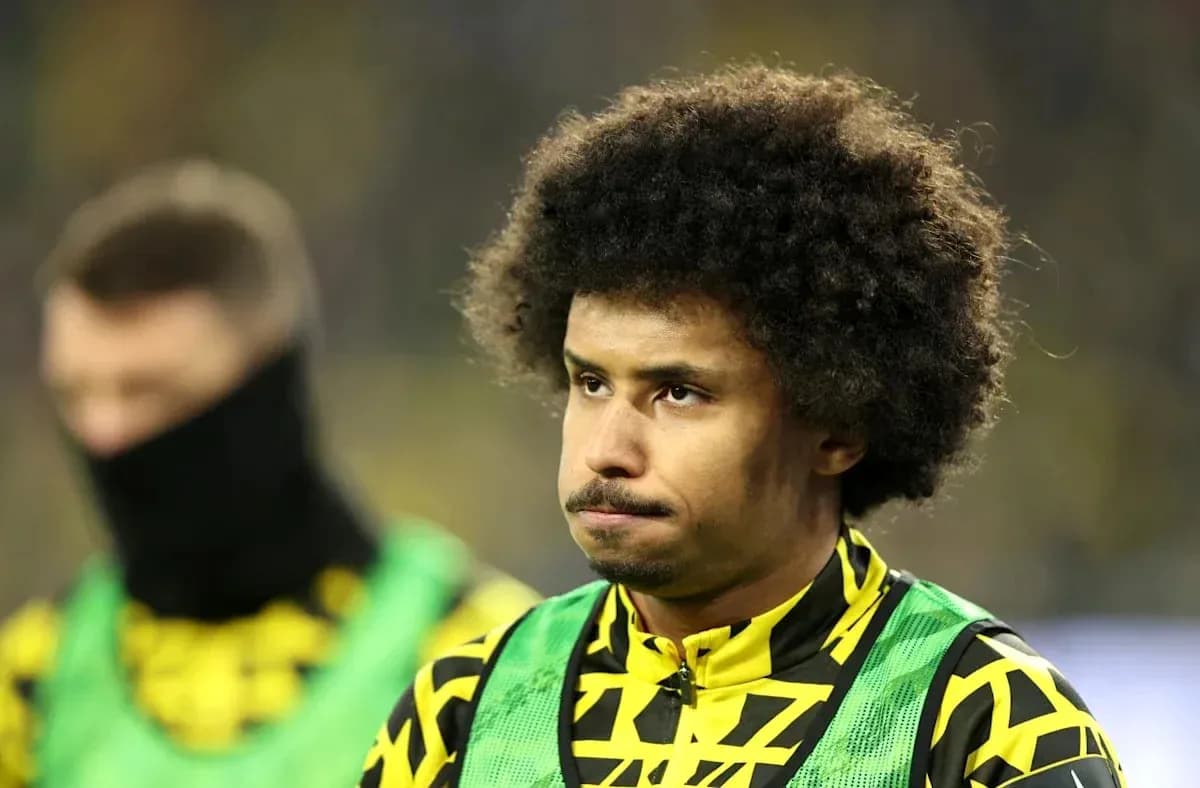
Crysencio Summerville has emerged as the current “No.1 target” for the left flank. Relegation with West Ham United was supposed to open a cut-price door. It hasn’t. The Hammers are holding firm at around £50 million, emboldened by the 24-year-old’s impressive World Cup with the Netherlands.
On the face of it, that valuation looks steep for a player with 10 goals and eight assists in 84 Premier League appearances across four seasons. He is talented, direct, and improving, but he is not yet in Rashford’s bracket as a pure footballer.
The numbers, though, are kinder to Summerville.
A £50 million fee amortised over a five-year contract hits the books at £10 million a year. His current wage at West Ham is believed to be around £50,000 a week. To move, he wants that doubled to £100,000.
Do the maths. A season of Summerville at United in 2026/27 would cost around £10 million in amortised transfer fee and £5.2 million in wages. Just over £15 million in total.
Rashford’s salary next season alone? About £16.9 million.
So from a PSR standpoint, United can sign a younger winger, pay him less, and still come in under what it costs simply to keep Rashford on the books. Two years from now, Rashford would walk away as a free agent approaching 31. Summerville, at 26, could be entering his peak and potentially sold for a profit.
On a balance sheet, the choice is brutally simple.
On the pitch, it is anything but.
Even the harshest critics of Rashford’s dip in form would struggle to argue, with a straight face, that Summerville is the superior player right now. Rashford’s loan spell at Barcelona underlined that. Used largely off the bench, he still produced more assists in one La Liga season than Summerville has managed in four Premier League campaigns.
Barcelona declined to buy him permanently, but they did want him back on loan. They clearly judged that his wages were acceptable, just not the transfer fee. If a Champions League regular believes Rashford is worth that outlay in their squad, why are United so keen to offload him when the financial structure at Old Trafford would mirror that scenario?
To make the picture murkier, United are not even leading the race for Summerville. AS Roma are in talks with West Ham and, according to reports, already have the player’s approval for a move to the Italian capital.
So United could end up selling Rashford for financial reasons, only to miss out on the main replacement whose cost supposedly justifies the sale.
When football loses the argument
This is not how United imagined the summer. Heading into the window, the primary targets for the left were RB Leipzig’s Yan Diomande and Aston Villa’s Morgan Rogers. Both were viewed internally as clear upgrades on Rashford, players who could redefine the position rather than simply fill it.
The pivot to Summerville came when it became obvious that Diomande and Rogers were priced out of reach. The club’s major spending has been earmarked for a midfield overhaul. Something had to give.
That “something” looks increasingly like the football case for keeping Rashford.
Carrick, by all accounts, would welcome him back. He sees a homegrown forward who, even after a difficult spell, still carries a threat few in the current squad can match. A player who has scored and created at elite levels for club and country. A player who, in the right system and with the right trust, might yet return to something close to his best.
The board see a wage bill, a PSR line, and an opportunity to cash in on an academy graduate whose accounting value is zero but whose sale price is pure gain.
Both positions have logic. Both can be defended.
But only one of them is about winning football matches.
And if United end up weakening their left flank, watching an inferior option struggle to match Rashford’s output while the balance sheet looks healthier, Carrick will be entitled to ask the most uncomfortable question of all: at what point did Manchester United become a business that happens to play football, rather than a football club that happens to be a business?