.svg&w=384&q=75 "naujapitch logo")
Liverpool's Defensive Search: Replacing Konaté
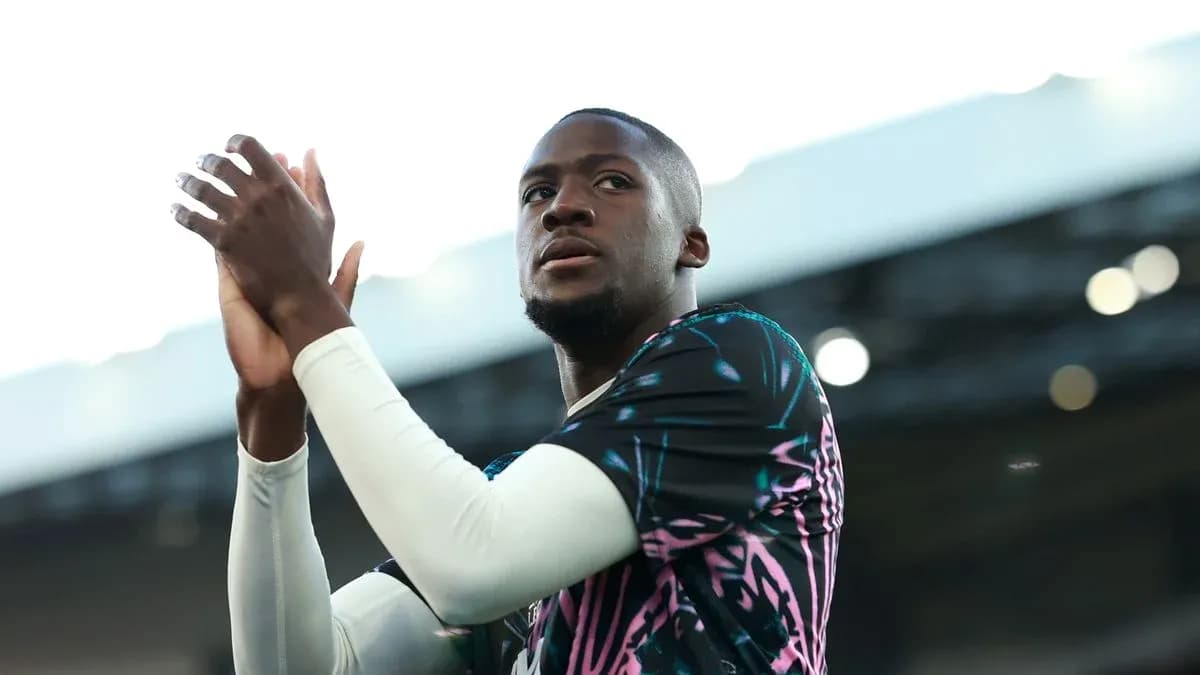
Ibrahima Konaté is heading for the Anfield exit. No new deal, no compromise, no transfer fee. When his contract expires, Liverpool will watch another cornerstone of their recent era walk away for nothing.
This is no one-off. Andy Robertson and Mohamed Salah are already out of the door this summer on frees. Trent Alexander-Arnold left for Real Madrid last year for a modest £10 million. Four players who defined a decade of Liverpool, gone for a combined fee that barely buys a squad player in today’s market.
Now comes the hard part: replacing the man who has stood alongside Virgil van Dijk at the heart of the defence since 2021 in a market where elite centre-backs are gold dust.
Richard Hughes, Arne Slot and Liverpool’s recruitment team have their shortlist. The profiles are different, the prices wildly so, but the brief is clear: find someone who can live in that right-sided channel, cope under the press, and carry the weight of expectation that comes with stepping into Konaté’s space.
Jan Paul van Hecke – the familiar partner-in-waiting
If Liverpool want continuity with a twist, Jan Paul van Hecke makes a lot of sense.
The Brighton defender has already been linked with Anfield in his native Netherlands, and his game looks tailor-made for a side that wants to dominate the ball and play on the front foot. He has operated in both a back three and a back four under Roberto De Zerbi, switching roles and zones without fuss. That tactical flexibility will appeal to Slot as he shapes a system around last summer’s expensive arrivals.
On the ball, van Hecke is composed and ambitious. Three goals and three assists in the Premier League this season underline that he is more than just a stopper. He is comfortable receiving under pressure, stepping into midfield and breaking lines.
He also mirrors one of Konaté’s more underrated traits: his ability to draw fouls and relieve pressure. Van Hecke has been fouled 1.21 times per 90 minutes in the league this season, virtually identical to Konaté’s 1.19. That matters for a team that often faces a furious high press and needs defenders who can ride the first challenge and buy a whistle.
Defensively, he plays on the front foot. He sits in the 72nd percentile of Premier League centre-backs for interceptions per 90 (1.32), reading danger early and stepping in rather than retreating. At 6'3", he offers size but not quite the same aerial dominance as Konaté. With Van Dijk still commanding the skies and imposing youngster Jeremy Jacquet arriving for pre-season, that may not be a deal-breaker. It could even be a balance.
There is another key strand: familiarity. Van Hecke has 10 caps for the Netherlands and has been called up to the Dutch World Cup squad ahead of big names like Matthijs de Ligt and Stefan de Vrij. He is expected to play an important role alongside Van Dijk in North America. That existing partnership, those shared reference points, give him an obvious edge as a candidate.
Timing, though, complicates matters. His World Cup involvement means Liverpool either move early, before the tournament reshapes the market, or they wait and risk a bidding war.
Brighton will not roll over. Van Hecke enters the final year of his contract this summer, which opens the door but also alerts rivals. Tottenham have already been linked as De Zerbi rebuilds his squad. Chelsea are hovering too. The price is expected to land around £50 million.
Joachim Andersen – the rugged, ready-made stop-gap
If Liverpool decide they need experience and aerial security rather than a like-for-like Konaté clone, Joachim Andersen fits that bill.
The Dane, once an FPL cult favourite at Crystal Palace, has become a dominant presence at Fulham. He wins his duels, clears his lines and reads the game with the assurance of a man who has seen most things the Premier League can throw at him. He is not as progressive as van Hecke on the ball, but he is still tidy and reliable in possession.
What he offers is power. Andersen ranks in the top 10% of Premier League centre-backs for touches and aerial duels won. In a league that feels increasingly physical, where set-pieces and crosses still decide tight games, that profile matters. He stands just a centimetre shorter than van Hecke, but plays like a man who relishes every battle in the air.
He also brings mileage. Six years of Premier League experience. Forty-nine caps for Denmark. A defender who understands the grind of a 50-game season and the psychological demands that come with it.
Crucially, his skill set overlaps with Van Dijk’s more than Konaté’s. That might sound like a problem, but it could be a solution. Andersen could step in for the captain, allowing Liverpool to manage Van Dijk’s minutes. The Dutchman has played more minutes than any other 34-year-old this season. That is not a sustainable load.
Financially, Andersen is the most accessible option. Fulham paid £30 million for him two years ago. At 29, he would not command a fee that wrecks Liverpool’s wage and age structure. He would give Slot a solid, reliable presence while leaving a clear pathway for Jacquet and Giovanni Leoni, two young defenders whose data profiles already echo Konaté’s.
If Liverpool decide they need a bridge rather than a new long-term cornerstone, there are few more suitable candidates than Andersen.
Jarell Quansah – the one that got away?
The most intriguing name on the list is also the most awkward: Jarell Quansah.
Liverpool sold the academy graduate to Bayer Leverkusen for £35 million only last summer. Now, with Konaté leaving and the market short on elite right-sided centre-backs in Liverpool’s preferred age range, that decision looks increasingly puzzling.
Quansah’s first spell in the Liverpool first team was a strange one. He showed poise, range of passing and maturity, but his confidence dipped badly during Slot’s first season. The low point came on day one, when the new manager hooked him at half-time in his first game in charge. For a young defender trying to cement his place, that kind of public setback can linger.
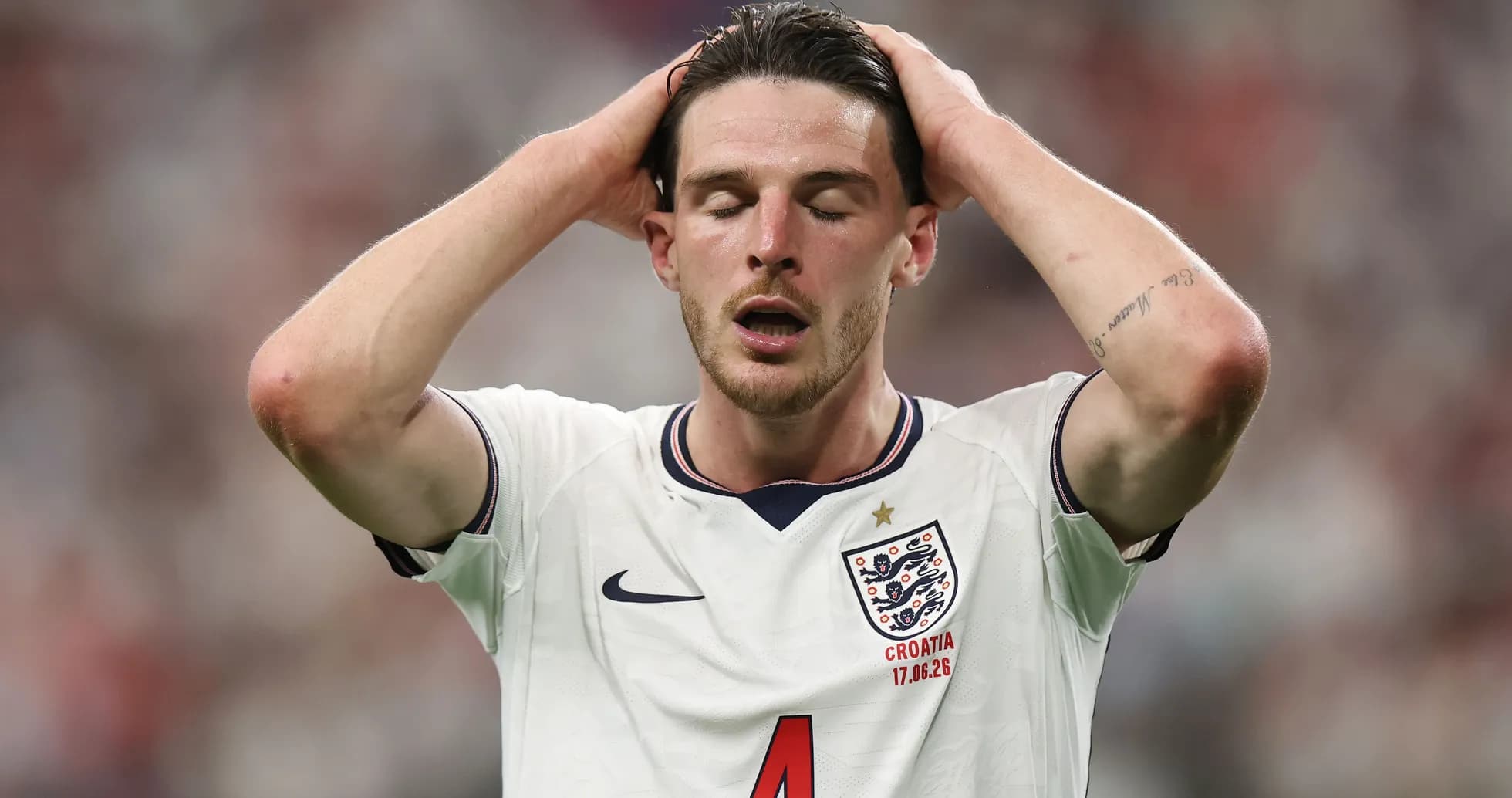
Germany has changed the picture. At Leverkusen, Quansah has rebuilt his reputation and then some. He has established himself as one of the standout young defenders in Europe and earned a call-up to England’s World Cup squad this summer.
The numbers tell the story. Across the Bundesliga season, he was only dribbled past twice. His pass completion rate sits at 90.3%, a sign of both composure and smart decision-making. He averages 0.55 successful dribbles per 90, evidence that he is not afraid to carry the ball out and break lines himself.
For Liverpool fans who watched him partner Van Dijk during Jürgen Klopp’s final campaign, this is the player they thought they were getting long term. Only now he belongs to someone else.
There is a route back. Liverpool inserted a multi-tiered buy-back clause when they sold him, along with pre-agreed contract terms. That means they can re-sign him this summer for £69.4 million.
The catch is timing again. Reports in Germany, notably from BILD, suggest that a return is more likely next year, when the buy-back drops to £52 million. Another season in Xabi Alonso’s demanding system would not harm Quansah’s development. From a purely sporting perspective, the logic is clear.
Emotionally, it is harder to swallow. Letting go of arguably the best pure defensive prospect the academy has produced since Jamie Carragher, only to pay double for him a year or two later, is not how Liverpool built their reputation as one of Europe’s smartest operators.
Alessandro Bastoni – the marquee gamble
Then there is the headline name: Alessandro Bastoni.
On paper, the Inter defender is not a straight Konaté replacement. He is left-footed, more naturally suited to the left side of a back four or a back three, and has spent parts of his career stepping out at left-back. His profile screams long-term Van Dijk successor more than right-sided enforcer.
Yet that versatility could be a solution to more than one problem. With Robertson gone and Kostas Tsimikas’ ceiling uncertain while Milos Kerkez continues to find his feet, Bastoni’s ability to cover both centre-back and left-back would ease the strain on the squad’s left flank.
His quality is beyond debate. In Serie A, Bastoni ranks in the top 10% of centre-backs for assists, successful passes and accurate long balls. He sits in the top 5% for big chances created, overall touches and xG conceded while on the pitch. He dictates games, not just survives them.
Signing him would reshape Liverpool’s back line. His status means he does not arrive as a rotation option. He arrives as a starter. That would likely push Van Dijk across to the right side of the pairing, a significant tactical shift for a player who has patrolled the left channel for most of his Liverpool career.
At one stage this year, a move seemed plausible. Bastoni endured a storm of criticism after a red card against Bosnia and Herzegovina, a dismissal that triggered Italy’s collapse and elimination from World Cup qualification. In the emotional aftermath, a fresh start away from Milan felt more realistic than ever.
The mood has cooled. Despite reports of interest from Barcelona, Inter president Giuseppe Marotta told DAZN, via Goal, that Bastoni “has absolutely not expressed his desire to leave”. For now, he looks set to stay where he is, at the club he joined nine years ago.
Yet if there is even a sliver of opportunity, Liverpool have to be in that conversation. Players of Bastoni’s calibre and age do not come around often, and they almost never come cheap.
Konaté’s departure leaves a hole that is tactical, physical and symbolic. Liverpool can plug it with a familiar international partner, a rugged stop-gap, a prodigal son or a marquee reshaper of the entire back line.
Whichever path they choose will say as much about the club’s new era under Slot and Hughes as any signing in attack or midfield. The question now is simple: do Liverpool want to replace Konaté, or redefine what their defence looks like for the next decade?