.svg&w=384&q=75 "naujapitch logo")
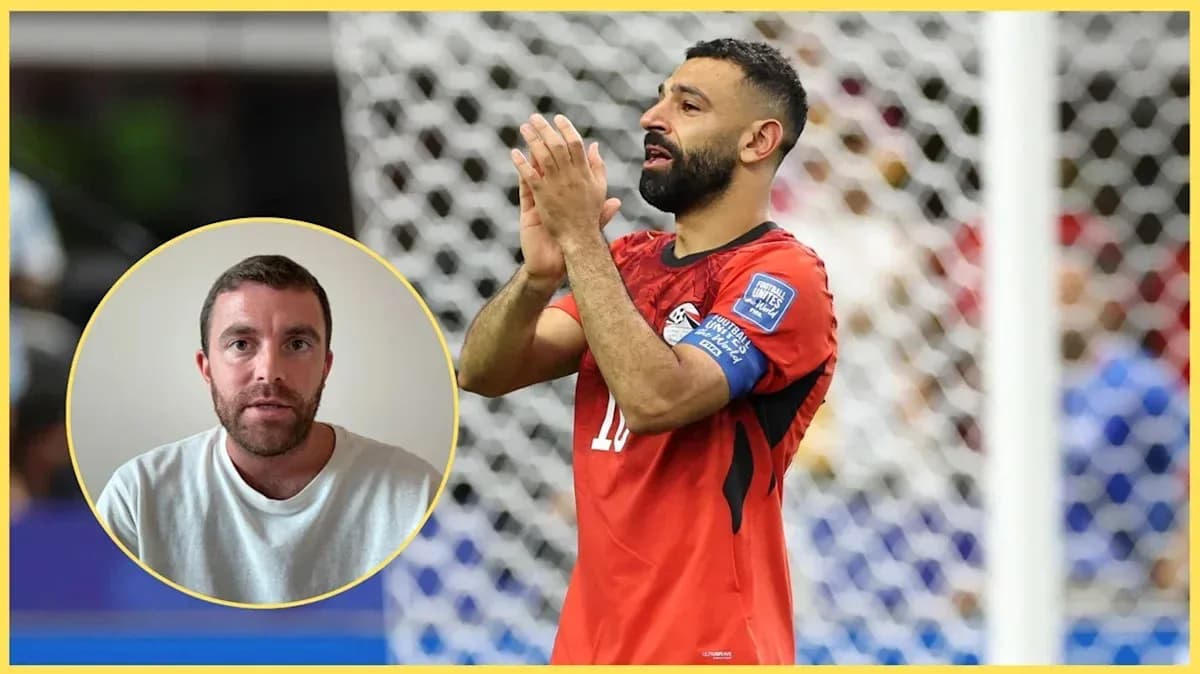
Egypt's Heartbreak Against Argentina in World Cup Clash
LOS ANGELES — Egypt walked to the brink of history, stared down the world champions, and then watched the night unravel in a storm of goals, VAR calls and fury.
They led Argentina 2-0. They had Lionel Messi missing from the spot. They had a disallowed goal that still burns. By the final whistle, they had nothing but anger and a sense of betrayal.
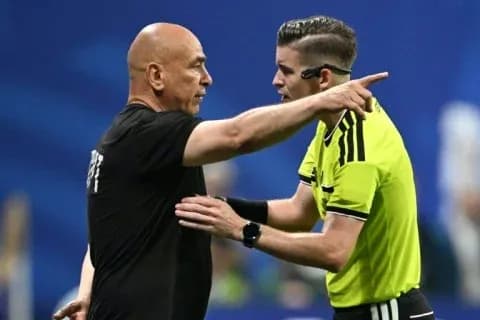
Hossam Hassan did not hide.
“I do not want to put it nicely and talk about hard luck. We have been cheated unfairly today, we have suffered injustice,” the Egypt coach snapped in a blistering press conference that matched the intensity of the match itself.
Argentina’s 3-2 comeback win sends the defending champions into the World Cup quarter-finals. Egypt, who had one foot in the last eight for the first time in their history, are left raging at what they see as a night of stacked decisions and shattered dreams.
Egypt’s dream start
The Pharaohs struck first. Yasser Ibrahim rose and buried his header, a statement goal that stunned the champions and ignited Egyptian belief.
Then came the first flashpoint.
With Egypt 1-0 up, Mostafa Zico appeared to double the advantage, only for VAR to intervene. The officials rolled the move back to a much earlier phase and ruled out the goal for a foul on Lisandro Martinez. The Egyptian bench exploded. The stadium felt the temperature rise.
Hassan’s anger only deepened as he replayed it all in his mind.
“A second goal was remarkably disallowed,” he said. “There has not even been a VAR check when we have all seen the image of the (shirt) being pulled back.”
For a while, Egypt refused to be broken by the chaos. Zico did eventually get his second moment, striking again to put his side 2-0 up and seemingly on course for one of the great World Cup shocks.
Argentina looked rattled. Egypt looked fearless.
Messi’s penalty misery, Shobeir’s moment
Then came another turning point, this time inside Egypt’s own box.
After Yasser Ibrahim’s opener, Argentina earned a penalty for a trip on Nicolas Tagliafico. Messi stepped up with the weight of a nation and a tournament on his shoulders.
Mostafa Shobeir guessed right and saved.
The eight-time Ballon d’Or winner’s uneasy relationship with World Cup penalties deepened. He has now failed to score four of his eight non-shootout spot-kicks at this competition, including two misses at this tournament alone.
For Egypt, it felt like a sign. For Argentina, it was a warning. They could not afford another mistake.
Champions bite back
The pressure finally told.
Cristian Romero dragged Argentina back into the contest, cutting the deficit and shifting the momentum. The world champions suddenly played with urgency, Egypt forced deeper and deeper.
Then Messi struck. Having been denied from the spot, he made no mistake in open play, smashing in the equaliser for his eighth goal of the tournament. The roar around the stadium carried the sound of a giant waking up.
At 2-2, the game turned frantic. Every duel mattered. Every decision stung.
The decisive blow came from Enzo Fernandez, finishing off a sweeping move to complete the comeback and break Egyptian resistance.
Egypt, though, insist that move should never have reached Fernandez.
The pull, the penalty that never came
In the build-up to Argentina’s winner, Egypt claim they should have had a penalty of their own. They point to Alexis Mac Allister’s pull on Hamdy Fathy, a tug on the shirt that they believe was clear, obvious, and ignored.
“A penalty was ruled out, was not even checked by VAR,” Hassan said. “There has not been respect or fair play.”
His voice hardened.
“We haven't seen respect or fair play. There has not been respect or fair play.”
For Hassan, the pattern was unmistakable: a ruled-out goal when they led, a potential penalty not reviewed, and a sense that the biggest name on the pitch cast too long a shadow over the decisions.
“Perhaps they wanted to keep the world champions in the competition. Perhaps they wanted Messi to stay in the running,” he told BeIn Sports. “In football, there are sometimes external factors that go beyond the technical aspects. The world champions received support at every level.”
Anger at the schedule
Hassan’s fury was not limited to the officiating.
He turned his fire on the organisers as well, attacking the decision to stage the game at noon local time (1600 GMT), just four days after both sides had played their round of 32 ties.
“Whoever schedules those matches has never played football,” he said. “You never schedule a game for 12pm. At noon you go for a walk or to eat brunch, you do not go to play football.
“When are the players supposed to eat? At 7.30am?
“There have been a lot of things to be questioned on and off the pitch.”
For a coach who felt his team had emptied themselves physically and emotionally, the timing was yet another symbol of what he called an uneven fight.
A vow of protest
By the end, Hassan had gone beyond the usual post-match complaints. He framed his anger as a personal protest against what he believes this World Cup has become.
“I am not going to continue following the matches of this World Cup, watching the matches of this World Cup,” he said. “This is my own way of speaking up.”
His players, who had stood toe-to-toe with the reigning champions and pushed them to the brink, now leave with scars and a lingering question: how different might this night have been with another whistle, another angle, another call?
Argentina march on, powered by Messi, by Romero, by Fernandez, and by the relentlessness that defines serial winners.
Egypt go home convinced they were denied their moment — and with a coach who has turned their exit into an indictment of the game’s biggest stage.