.svg&w=384&q=75 "naujapitch logo")
Cristiano Ronaldo's World Cup Journey Ends in Heartbreak
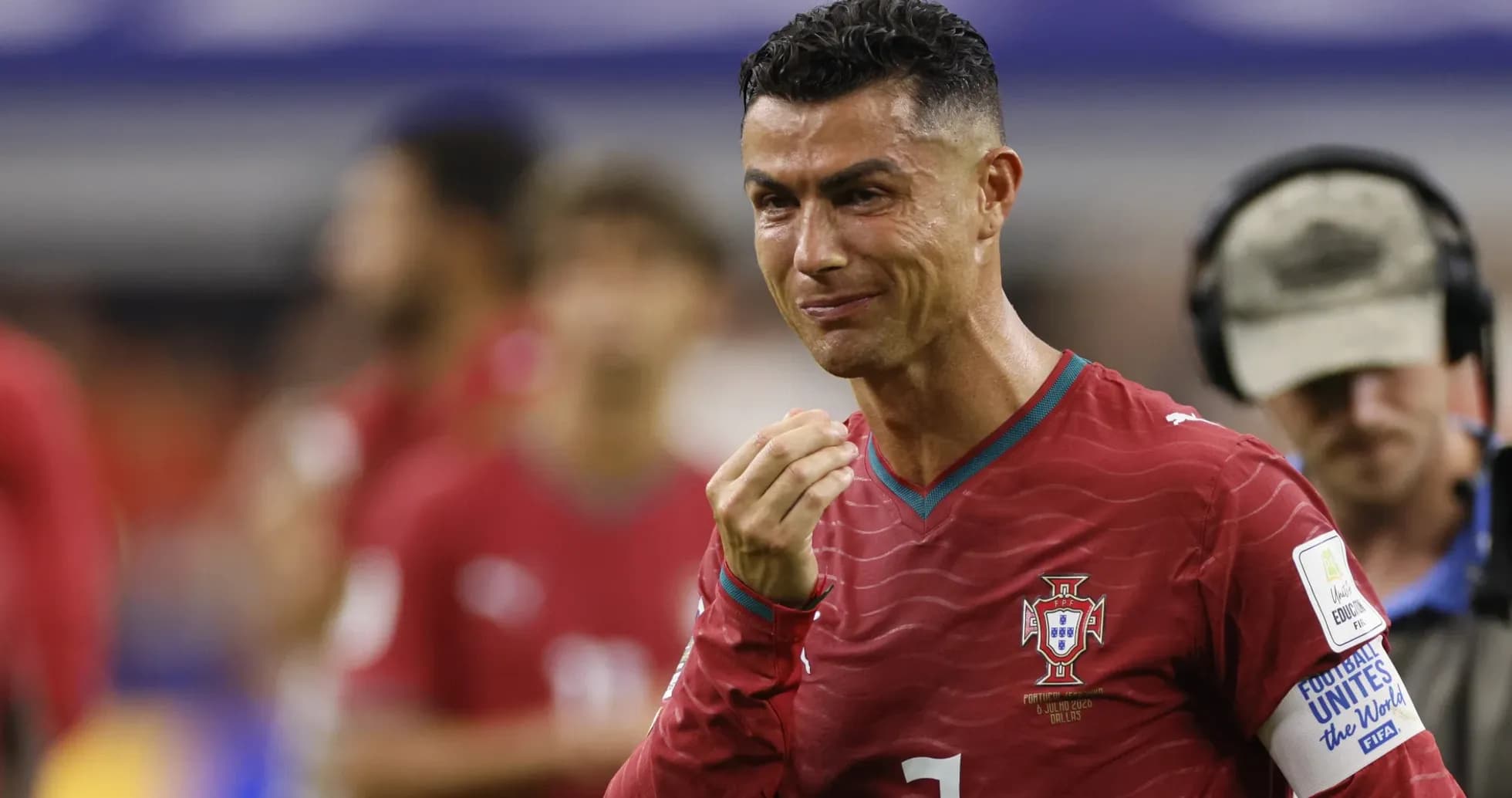
Cristiano Ronaldo walked off alone, head bowed, into the Texas night. No lap of honour, no grand farewell. Just the slow trudge of a 41-year-old who has done almost everything the game can offer, except this.
Spain’s 1-0 win over Portugal in the last 16 ended his final World Cup, and with it the last realistic chance of the one trophy that always eluded him. He fought back tears. This was not how the script was supposed to end.
“I'll go away and think about what comes next,” the Portugal captain said, voice heavy with the weight of it all. A career built on defiance and impossible standards had finally run into something immovable: time.
A Giant Reduced to the Periphery
On the field, the image was stark. Ronaldo, once the most terrifying sight in world football, was reduced to a peripheral figure in a laboured Portugal attack at the home of the Dallas Cowboys.
He huffed and puffed through the middle, three efforts at goal his only tangible contribution in a disappointing contest. No bursts from deep, no electric step-overs, no sense that he could bend the game to his will. Just a No 9 waiting for service that never really came.
At one point, as a teammate’s pass went astray, he threw his arms in the air in frustration. It felt symbolic. The old Ronaldo demanded perfection and often supplied it himself. This version could only protest.
He finishes this World Cup in North America with three goals: two in a 5-0 demolition of Uzbekistan and a penalty against Croatia in the last 32. No assists. No defining moment. No late rescue act.
For a man who has made a career out of rewriting endings, this one stayed stubbornly out of reach.
The One Medal Missing
Ronaldo leaves the World Cup stage as the leading scorer in the history of men’s international football, a five-time Ballon d’Or winner, a serial Champions League conqueror. He has won league titles in England, Spain and Italy. He dragged Portugal to European glory in 2016.
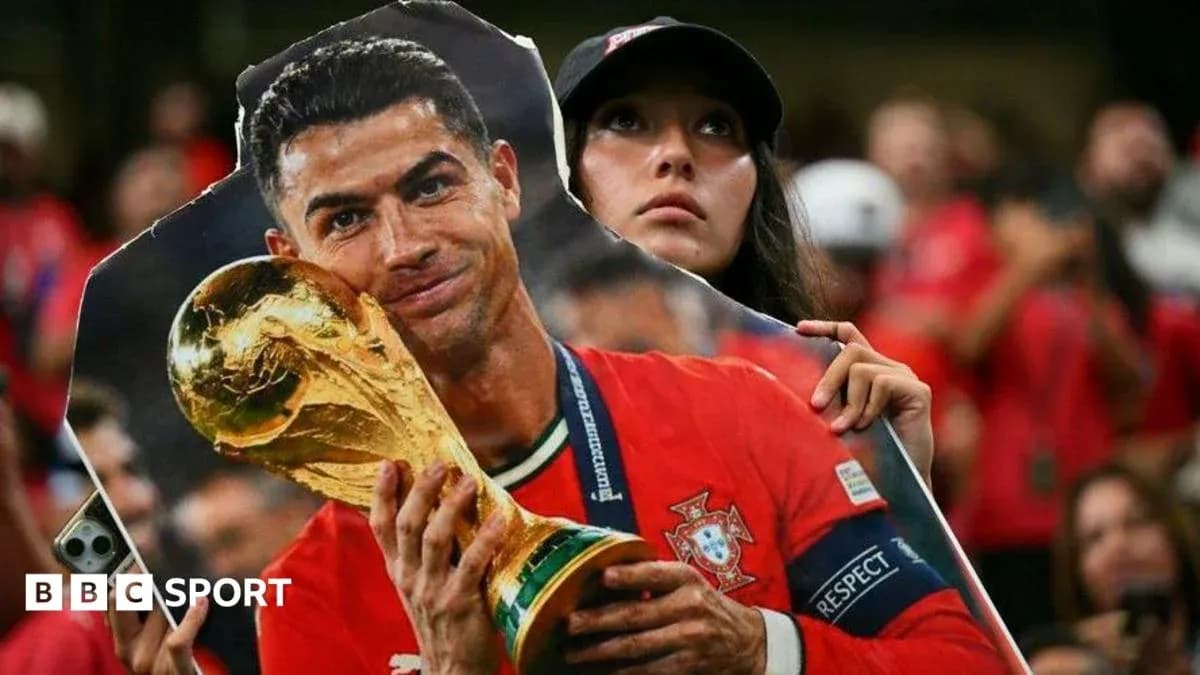
But there will be no World Cup winner’s medal in that bulging trophy cabinet.
He insists he can live with that.
“The truth is, the biggest title I won with the national team was in 2016, which for me is just as significant as a World Cup, honestly,” he said. “Sometimes you win, sometimes you lose, and you have to move on.”
He spoke of leaving with a “clear conscience”. It sounded less like a line and more like a man trying to make peace with the one gap in an otherwise overwhelming legacy.
His best World Cup run will remain the semifinals, 20 years ago in 2026. Everything since has felt like a chase after a fading horizon.
From Madeira to the World
The distance he has travelled to reach this point remains staggering.
From a poor upbringing on the island of Madeira, with an alcoholic father and little certainty beyond his own talent, Ronaldo forced his way out through sheer will. First Sporting Lisbon, then Manchester United, where he became a global phenomenon and a Champions League winner.
Real Madrid followed, and with it an era of dominance. Four more Champions League titles. Record after record. Goal after goal. The Bernabeu became his stage, Europe his playground.
Then came Juventus, a return to United, and now Al Nassr, where he fronts Saudi Arabia’s push for footballing respectability. Off the pitch, he turned himself into a global brand: the first billionaire footballer, 671 million Instagram followers, his “Siuuu!” celebration copied by children on every continent.
For two decades, he lived in a permanent state of competition – against opponents, against Lionel Messi, against history itself. His “eternal thirst for records” and relentless self-improvement kept him at the top into his 40s.
But even he could not outrun the clock.
The Shift and the Question
In recent years, the transformation has been clear. The flying winger who shredded full-backs morphed into a penalty-box predator, a traditional No 9 who lived between the posts. The mesmerising pace vanished; the instincts remained.
That shift brought goals, but also a different kind of scrutiny. Ronaldo and Portugal coach Roberto Martinez have both been accused of stretching his international career beyond its natural end point, of building around a legend long after the performances stopped matching the name.
Against Spain, Martinez rolled the dice late on with two double substitutions as Portugal chased the game. Ronaldo stayed on. Of course he did. For a coach, taking him off in what might be his last World Cup match is a decision that echoes for years.
On the eve of the game, Ronaldo tried to strip away the noise. “I am not going to be more Cristiano Ronaldo or less because I win the World Cup,” he said.
It was a rare admission that his identity, his status, no longer depended on adding one more trophy. The body of work is already too vast.
Yet as he walked alone off that Dallas pitch, the question lingered in the air: after everything he has done, after every record and every reinvention, how does a man who has defined an era decide when enough is finally enough?