.svg&w=384&q=75 "naujapitch logo")
Casemiro's Exit Leaves Manchester United with a Defining Midfield Summer
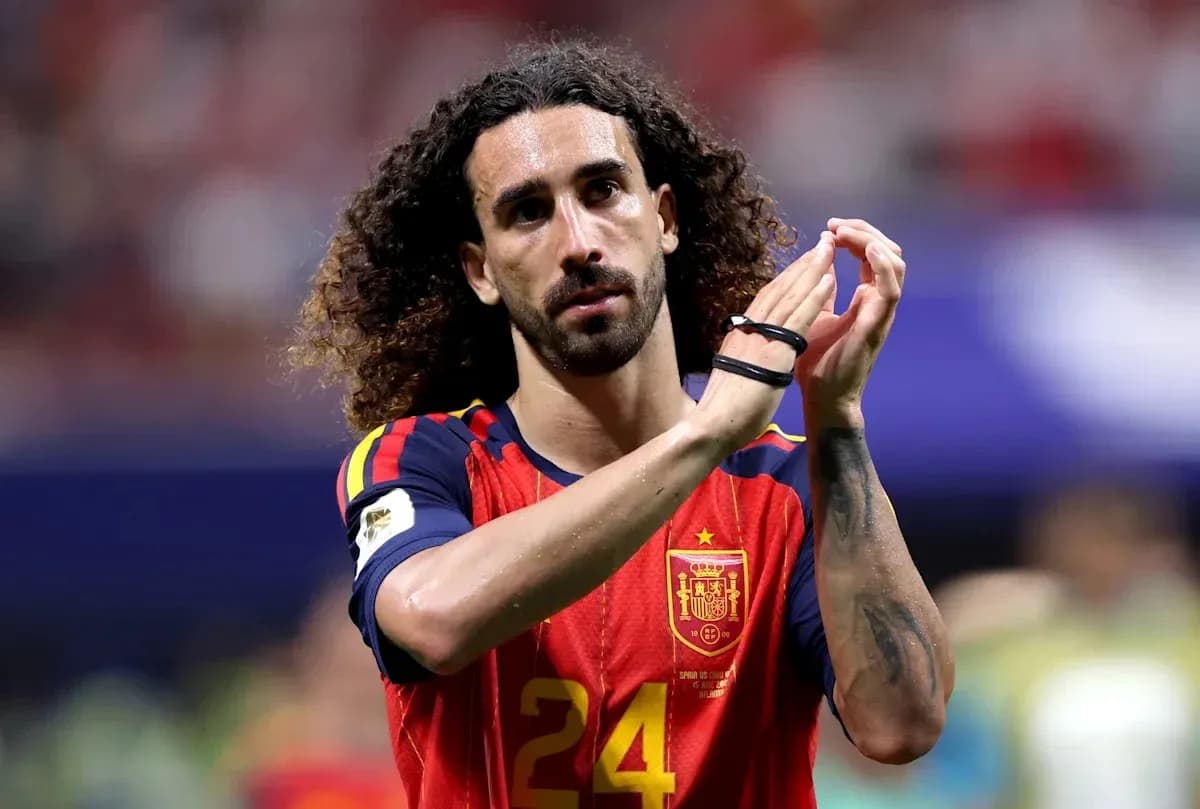
Casemiro walked into English football as a serial winner and leaves it the same way: head high, medal collection heavy, and a gaping hole in Manchester United’s midfield in his wake.
At 34, the Brazil international reaches free agency as his contract runs down, bringing a four-year spell at Old Trafford to an abrupt close. For all the talk of legs going and cycles ending, his departure strips United of experience, authority and a proven Champions League pedigree in the very area of the pitch Michael Carrick knows best.
Carrick and his staff do not have the luxury of time. United are back in the Champions League, expectations are rising again, and the core of the side needs reinforcing. The engine room cannot be allowed to splutter.
A rebuild with the meter running
The market knows United are shopping, and the prices reflect it. Some of the figures being floated are eye-watering, even by Premier League standards.
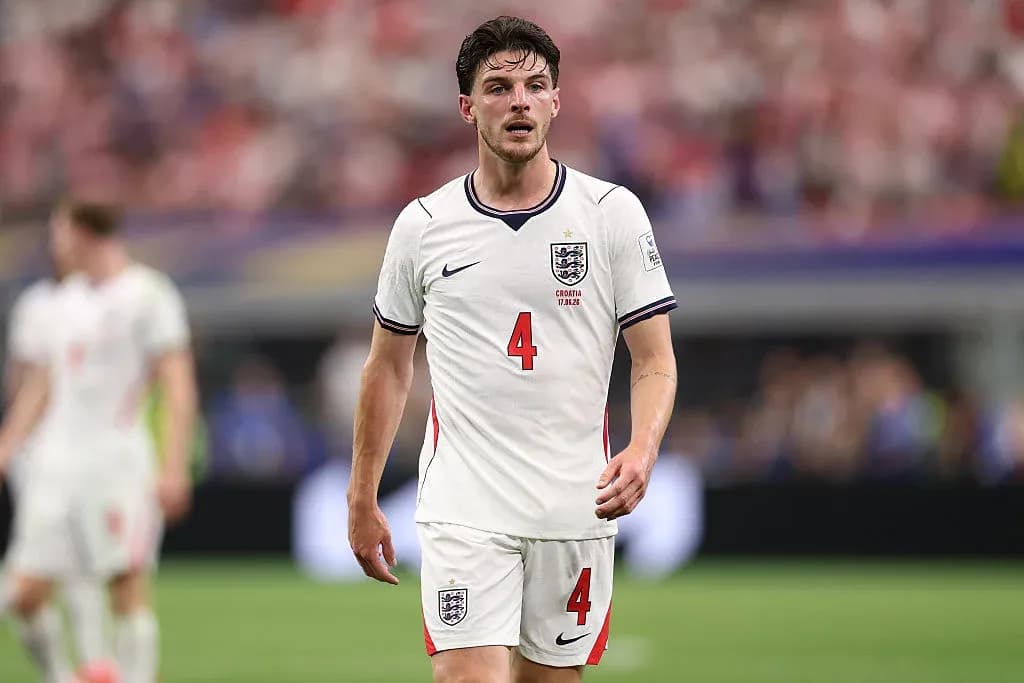
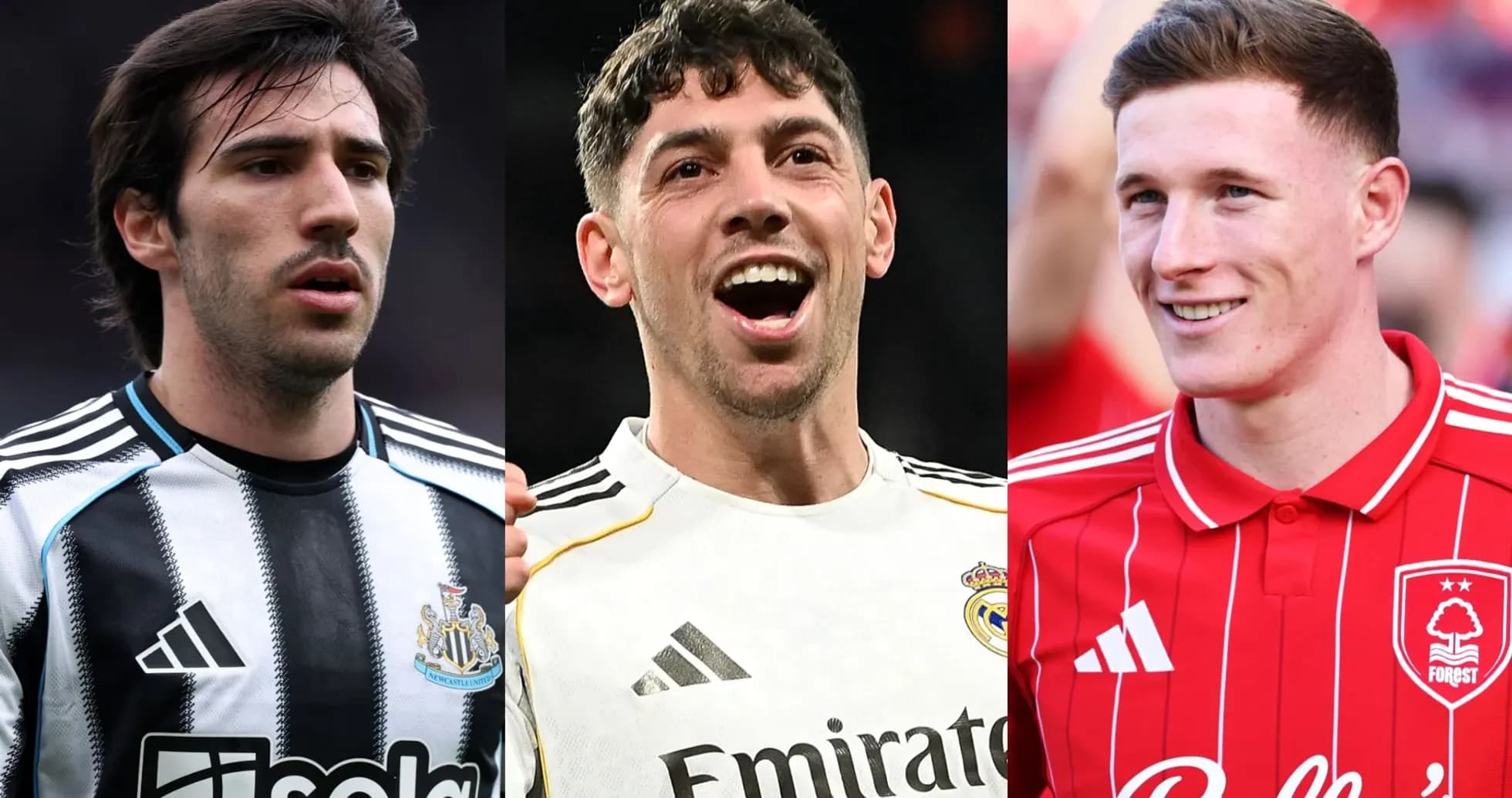
World Cup-bound England midfielder Anderson is said to come with a nine-figure valuation, the kind of fee that once belonged only to galácticos and fantasy football. United are wary of being drawn into another arms race. The brief is clear: find players who can help immediately, but who also anchor the club for the next cycle.
Adam Wharton and Carlos Baleba are firmly in that conversation. Both bring Premier League exposure, both carry the promise of growth rather than the risk of decline. They tick the boxes modern recruitment departments obsess over: age profile, physicality, resale value, tactical versatility.
Yet they are not the only names flashing up on United’s radar. From Real Madrid to Brighton, the shortlist stretches across styles and continents as the club weigh up what kind of midfielder should define this next era.
Djemba-Djemba’s verdict: “Valverde is the main man”
Ask a former United midfielder what he would do with the transfer kitty, and the answer comes back without hesitation.
Speaking exclusively to GOAL in association with World Cup Betting, Eric Djemba-Djemba did not bother with a long preamble.
“Manchester United is a big team and they want to win trophies, they want to come up again, to stay there. For me the first choice, Valverde and the second one, Baleba.”
He sees a club on the brink of a step up, not a step back.
“They finished third, they go to the Champions League, now they need some players who come with experience, who can keep the ball, who can bring the spirit of the game.”
In his eyes, one name towers above the rest.
“Valverde is the main man. Valverde, he's a box-to-box player, he can play winger too, he can play right-back too, because I saw him play right-back. Valverde is the main man. I think if they ask me to pick, I will pick him, I will pick him first and Baleba second choice.”
It is a vision of a midfield built around energy and elasticity. A player who can press, carry, tackle, and still influence the game in the final third. Someone who can do the dirty work Casemiro relished, but also stretch the pitch in ways United have often lacked.
History demands more
United’s return to the Champions League brings with it a reminder of what the club once expected as standard. It has been 15 years since they last reached the final of Europe’s flagship competition. For a club that built its modern identity on those midweek nights, that is an uncomfortable statistic.
The numbers around their past triumphs tell their own story. United’s Treble winners of 1999 and the 2008 champions both went unbeaten on their way to lifting the trophy. Yet when Bally Bet ranked the teams that have managed undefeated runs to glory ahead of the 2026 showpiece, which will see Arsenal face Paris Saint-Germain, United’s class of ’99 were placed at the bottom of that elite pile.
A win ratio of 46.2 per cent left them trailing the Bayern Munich side of 2020, who swept through the competition without dropping a single point and famously demolished Lionel Messi’s Barcelona 8-2 along the way.
That is the level United now aspire to chase again. Not just qualification, not just participation, but genuine relevance in the latter stages. To do that without Casemiro, they need a new generation of enforcers and controllers who can turn a good side into a ruthless one.
“Too early” for goodbye?
Djemba-Djemba would have preferred that transition to be smoother, with Casemiro acting as bridge rather than full stop.
Quizzed on whether he wanted to see the five-time Champions League winner stay one more year at the so-called Theatre of Dreams, he did not hide his disappointment.
"He's had a great season. I hoped he would stay for another year - he's a fantastic midfielder. He has many, many, many experiences.
“I would love him to stay one year more, but I don't have the decision. He has the decision, but I think it was too early for him to say what to do, that he will leave the club. It was early for him because after that, when Michael Carrick came, everything changed, didn't it?
“Everything was changing, he was playing well, the team was playing well, they came up again, now they will go to Champions League. I think it was early for him to announce that he will leave the club. I hoped he would stay again one year more, but sadly, it's football.”
That is the sting for United. Just as the mood around the team lifted, just as Carrick’s influence began to show in cleaner build-up and a more coherent structure, one of the few proven winners in the dressing room decided his time was up.
Now the club must respond. The midfield that once contained Casemiro is being redrawn. Whether it is Valverde, Baleba, Anderson or another name entirely who steps into that space will shape not only how United play, but how far they can realistically travel in Europe over the coming years.
Casemiro’s story at Old Trafford is over. The next chapter in United’s midfield is about to be written – and the margin for error is shrinking fast.