.svg&w=384&q=75 "naujapitch logo")

Belgium Dominates USA 4–1: De Ketelaere Shines in World Cup Knockout
The World Cup run the United States had been building toward for a generation ended with a brutal, clinical lesson in big-tournament football.
Charles De Ketelaere tore through a fragile American back line, scoring twice and setting up another in Belgium’s 4-1 win, a result that sent the Red Devils into the quarterfinals and dumped the hosts out in the round of 16 at Lumen Field.
For a team that arrived talking about a new era, this was a harsh reminder of the old realities.
Defensive frailty laid bare
Belgium didn’t need long to find the soft underbelly everyone suspected was there.
With just eight minutes gone, De Ketelaere put Roberto Martínez’s side in front, the first time in this World Cup the USA had conceded the opening goal. Belgium had started on the front foot, even with Jérémy Doku and Kevin De Bruyne left on the bench, and they immediately found joy running at an American defence that never looked settled.
The United States had their star striker back. Folarin Balogun’s one-game red-card suspension was controversially lifted by FIFA, clearing him to start. It didn’t matter. The problems were behind him, not ahead.
American defenders were culpable on both first-half goals, their positioning and decision-making repeatedly punished by Belgium’s movement and De Ketelaere’s sharpness. Every Belgian surge seemed to stretch the back line a little further. Eventually it snapped.
Tillman’s spark, and an instant gut punch
For a brief, noisy spell, it felt like the night might bend to American will.
In the 31st minute, Malik Tillman stepped up over a free kick and went for goal. His effort took a heavy deflection and wrong-footed the goalkeeper, flying in for his second free-kick strike of the tournament. The stadium erupted. Red, white and blue flags whipped around Lumen Field as 66,925 fans sensed a shift.
It lasted 61 seconds.
Straight from the restart, Belgium sliced through again. The United States switched off, and were punished. The ball was in the net before the crowd had finished celebrating Tillman’s equaliser. On the touchline, Mauricio Pochettino snapped. The US coach lashed out at a rack in front of the bench, sending four water bottles skidding across the technical area. It was the image of the night: emotion, frustration, and a team losing control of the occasion.
From there, Belgium played with the authority of a side that knew exactly where the weaknesses were.
Freese’s mistake and a cruel twist for Pulisic
The pressure finally told early in the second half.
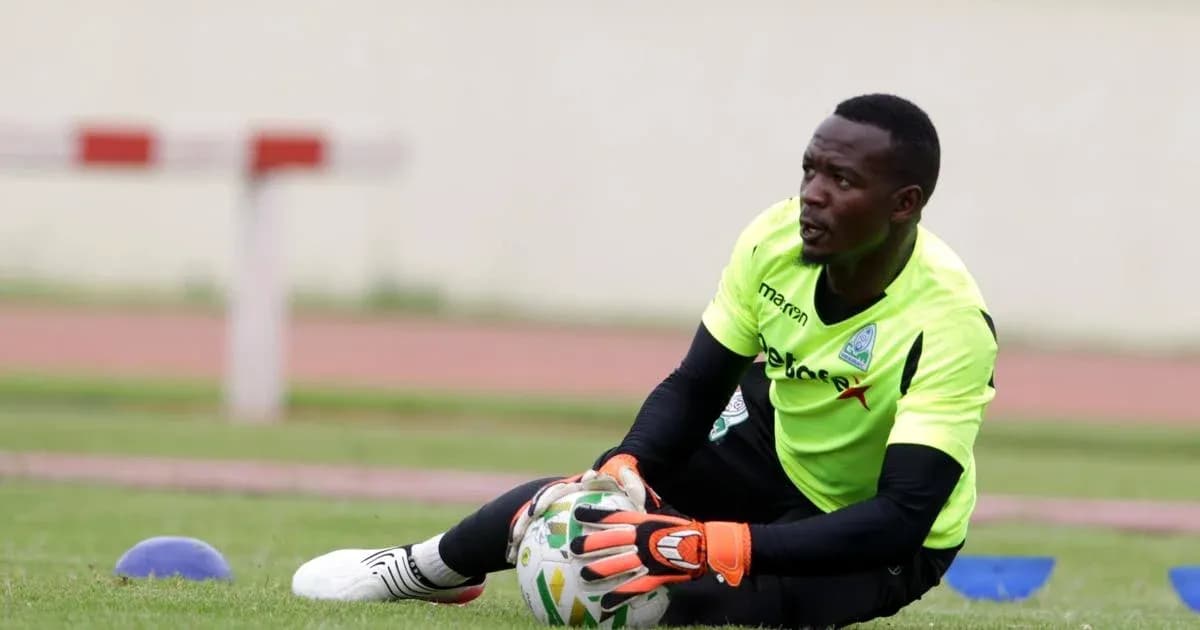
Goalkeeper Matt Freese, under pressure in front of his own net, failed to secure the ball. De Ketelaere pounced and rolled it across for Hans Vanaken to score Belgium’s third in the 57th minute. It was a soft concession at the worst possible time, and it effectively killed American momentum.
Just before that, another blow.
Christian Pulisic, the face of this American generation, had already been limping. In the 52nd minute he struck a shot and caught the boot of Belgium captain Youri Tielemans. His right foot took the impact. He tried to continue, but seven minutes later his night was over. Pulisic walked off, the home crowd rising in anxious applause, and took his place on the bench to watch the rest unfold.
Without their main creative force and chasing two goals, the USA looked increasingly stretched. Belgium, comfortable and ruthless, waited for the final opening.
It came in stoppage time. Second-half substitute Romelu Lukaku, kept in reserve until the game was already tilted, added the fourth in the third minute of added time. The scoreline now matched the pattern of the game: a talented but raw host nation taken apart by a seasoned European side.
A generation’s limits
The exit cuts deep because of what this group was supposed to represent.
Pulisic, Weston McKennie, Tyler Adams and their peers had spoken openly about shifting football’s place in the American sporting landscape, nudging it closer to the NFL, MLB and NBA. On the field, they did make strides: three wins at a World Cup for the first time, in this expanded 48-nation format. They played with ambition, front-foot energy, and for stretches, with real quality.
But the hard targets remain unmet. The USA still have not reached a World Cup quarterfinal since 2002. Belgium have now beaten them seven straight times, stretching back to that lone American victory at the inaugural World Cup in 1930. Against European opposition, the numbers are even more stark: 11 losses in their last 12 games, the only win coming against Bosnia-Herzegovina in the round of 32.
On this stage, against this level of opponent, the defensive frailty everyone talked about before the tournament proved decisive.
Belgium march on, CONCACAF bow out
This was not a full-strength Belgium side on paper. Doku and De Bruyne sat on the bench, yet the Red Devils still dictated the tempo and punished almost every American lapse. De Ketelaere was the star, but the broader story was of a team that knew how to manage knockout football.
Their reward is a quarterfinal against Spain in Inglewood, California, on Friday — a heavyweight tie between two nations with genuine designs on the trophy.
For the hosts and their regional neighbours, the picture is far bleaker. All six CONCACAF nations are gone. USA, Mexico and Canada all fell in the round of 16. The last eight will be drawn entirely from Europe, South America and Africa, underlining once more how far CONCACAF and Asia still have to climb.
The World Cup that was meant to showcase a new American era instead exposed familiar old gaps. The question now is not whether this generation has talent. It’s whether it can finally learn to win when the world is watching.