.svg&w=384&q=75 "naujapitch logo")
Arteta’s Ruthless Decision That Transformed Arsenal
For a long time, the debate around Arsenal’s resurgence circled the obvious: the pressing, the patterns, the swagger. But the decision that truly redrew the club’s defensive lines came in the quietest area of the pitch — between the posts.
It started with a shock. Not a crisis.
Mikel Arteta chose to move Aaron Ramsdale out of the firing line just as Arsenal looked stable, just as the popular goalkeeper felt embedded in the fabric of the team. Ramsdale wasn’t just competent; he was adored. He played with visible emotion, he connected with the crowd, he had already helped drag Arsenal out of some dark afternoons.
That, for many, is exactly why the decision hurt.
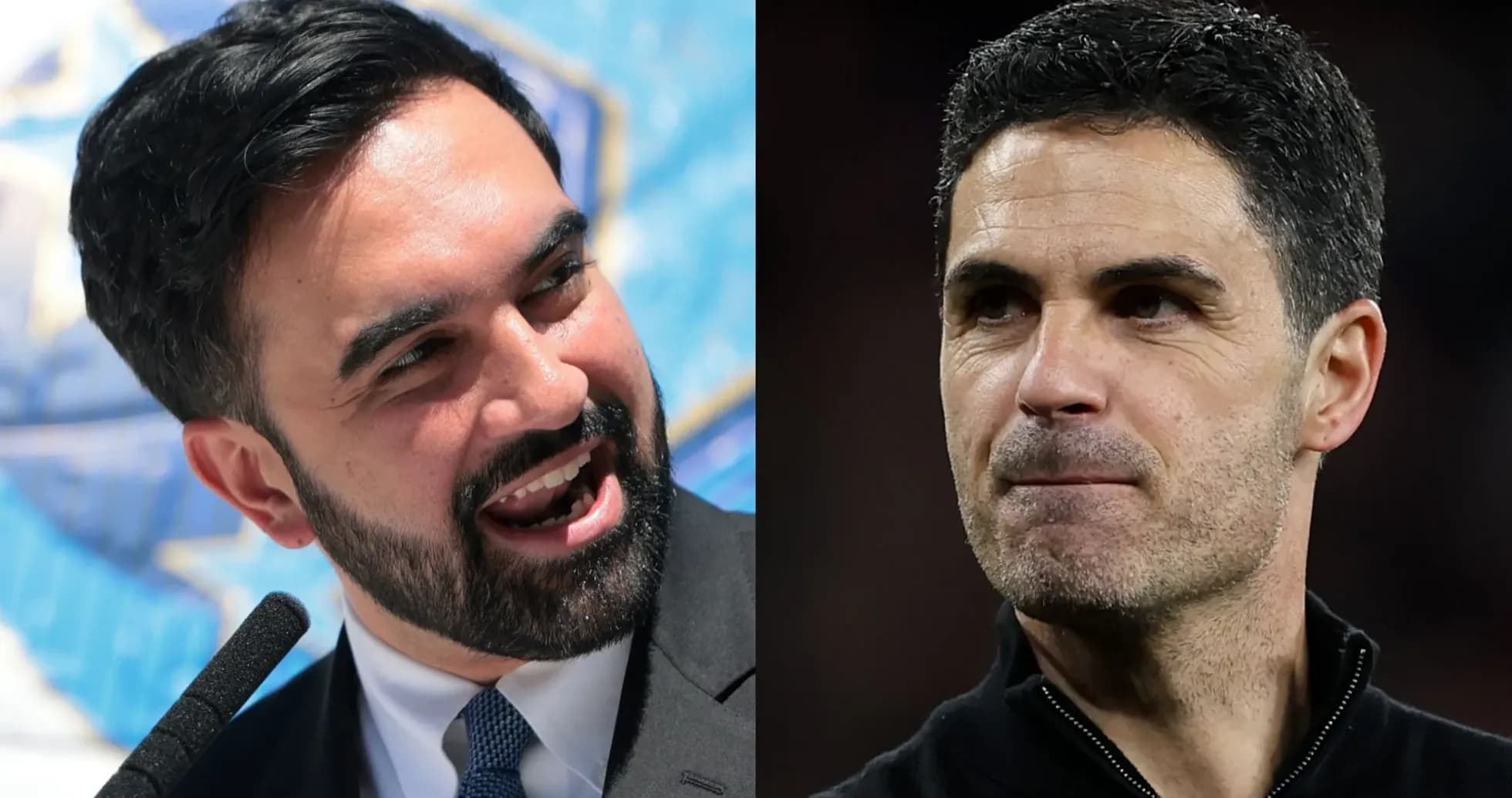
Speaking to GQ Magazine, Labour MP Zarah Sultana’s husband, Hamza Mamdani, captured that tension from a fan’s perspective. He admitted he had been “initially sceptical — even opposed” to the idea of demoting Ramsdale as the starting keeper. He “loved Ramsdale,” he said. So did “so many fans.” The move to sign David Raya, then actually hand him the gloves when there was no obvious emergency, struck him as ruthless.
Ruthless — and revealing.
Arteta’s call came early in the 2023–24 season. Raya, freshly signed and still under scrutiny, stepped ahead of Ramsdale in the pecking order. There was no injury, no spectacular collapse, no meltdown in form. Just a manager who decided that good was no longer enough.
By August 2024, Ramsdale had been sold to Southampton for £25 million. A clean break, and a painful one.
The backlash rolled in quickly. Across English football, the move split opinion. Ramsdale carried the reputation of a more reliable shot-stopper, the sort of keeper you trust when a game turns frantic and the box fills with bodies. Raya, by contrast, arrived with a different profile: technically polished, comfortable with the ball at his feet, but with a tendency to err in high-risk moments.
For traditionalists, it felt like an unnecessary gamble. For some Arsenal supporters, it felt like an act of disloyalty.
Mamdani saw it differently as the season wore on. To him, that single choice revealed Arteta’s true ceiling. This was not a manager content with competing. This was a manager determined to win. If the ambition is to “go beyond,” Mamdani reflected, these are the kinds of decisions you must be willing to make — stripping sentiment out of selection, even when it involves a fan favourite.
The pressure around Raya never really lifted in those first months. Every miscontrol, every slightly delayed pass, every punch instead of a catch carried a debate with it. Yet slowly, almost imperceptibly at first, the numbers began to speak louder than the noise.
Raya settled. Arsenal hardened.
By the end of the campaign, the verdict was emphatic. Raya kept 19 Premier League clean sheets, equalling David Seaman’s storied club record. The once-theoretical upside of a ball-playing goalkeeper had turned into something far more concrete: a defensive platform that allowed Arsenal to squeeze higher, control longer, and suffocate opponents with and without the ball.
Behind that stability, history finally shifted.
Arsenal ended a 22-year wait for a league title, storming to their 14th top-flight crown and finishing seven points clear of Manchester City. Not edging them. Outlasting them.
The story of that season will always feature the goals, the patterns, the stars. But at its core sits a single, brutal decision: a manager choosing evolution over comfort, and a club backing him as he ripped up a popular hierarchy in the most sensitive position on the pitch.
In the end, the risk did not just pay off. It redefined what Arsenal were willing to do in pursuit of the very top.