.svg&w=384&q=75 "naujapitch logo")

Adam Wharton's Omission from England's World Cup Squad Raises Questions
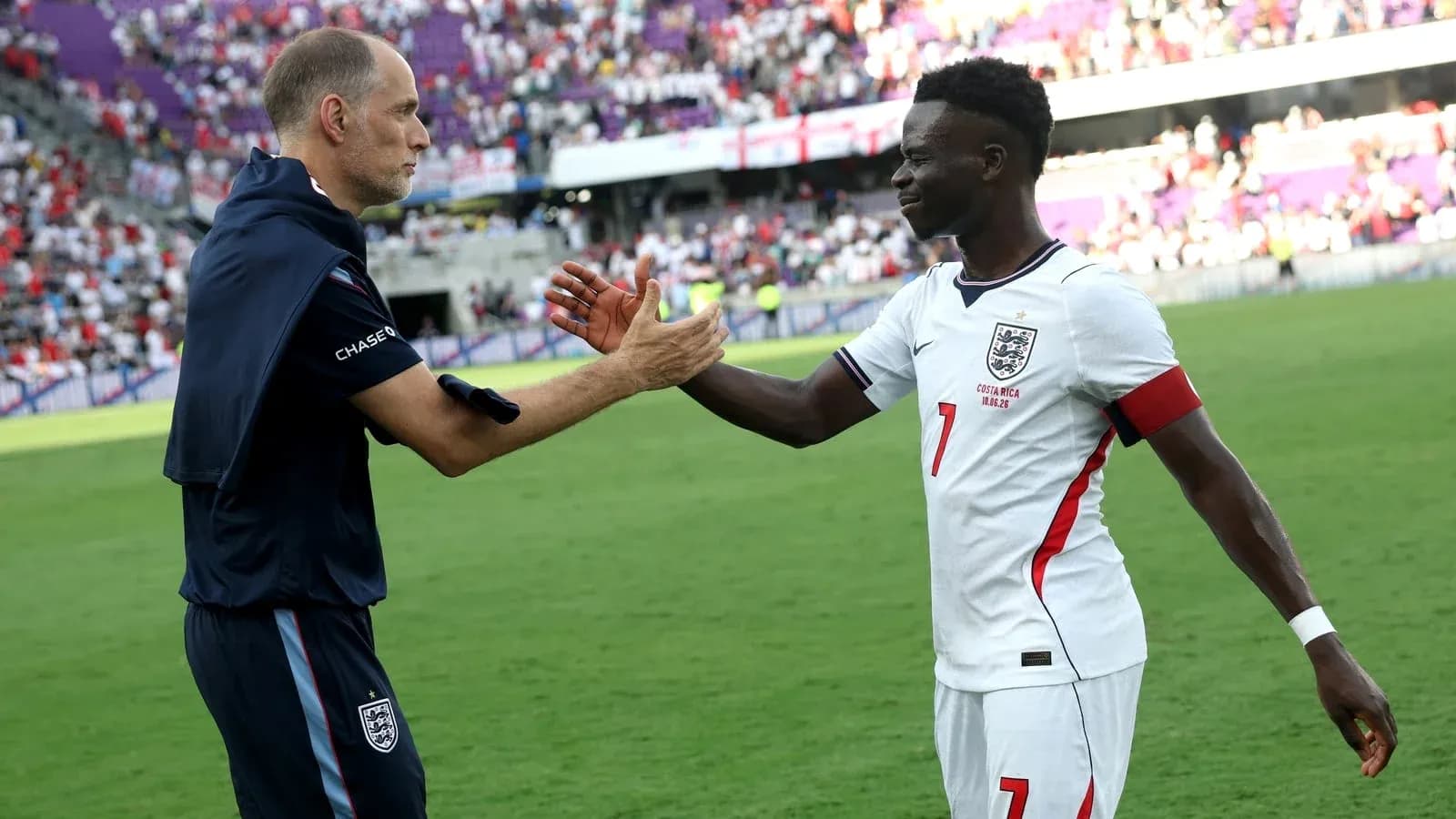
When Thomas Tuchel read out his England squad for the 2026 World Cup, everyone knew there would be losers. That comes with the territory when you manage a nation drowning in midfield talent.
Even so, leaving out Adam Wharton feels different. It feels reckless.
The 22-year-old’s response could not have been louder. Days after discovering he would be watching the World Cup from home, Wharton strode into the Europa Conference League final and owned the night. Crystal Palace’s 1-0 win over Rayo Vallecano at the Red Bull Arena in Leipzig will be remembered as the club’s first European trophy. It should also be remembered as the evening England’s most intriguing midfielder reminded his country what it has chosen to ignore.
He dictated the tempo. He took the ball in tight spaces. He passed through lines that didn’t appear to exist until he created them. Palace made history; Wharton made a point.
For a player of his age, to deliver that kind of performance in that kind of game, so soon after a brutal personal setback, tells you plenty. About temperament. About personality. About a ceiling that still looks a long way off.
And that is what makes Tuchel’s decision so jarring.
England’s midfield, for all its names and reputations, lacks Wharton’s profile. The squad is heavy on runners, pressers, and tidy recyclers of possession. It is light on someone who can sit deeper, see the whole pitch, and cut a defence open with one pass. Wharton does that naturally. He sees passes others don’t. More importantly, he trusts himself to play them.
Glenn Hoddle, a man who knows a thing or two about unlocking a defence from deep, has already voiced his surprise at the omission. Hoddle highlighted exactly what the numbers and the eye test scream: Wharton’s ability to produce those defence-splitting passes from a withdrawn role is rare. It’s not a luxury trait for tournament football. It’s a weapon.
This is an England side that has repeatedly laboured against low blocks, often running out of ideas long before it runs out of possession. Under Tuchel, they have looked organised, disciplined, hard to beat. What they have not looked is unpredictable. Wharton offers that flicker of chaos, the unexpected angle, the disguised ball that turns a stale 0-0 into something else entirely.
No one is arguing he would have walked straight into the starting XI at a World Cup. But tournaments are decided by moments and by options. The players who change games from the bench are as important as those who start them. Wharton, in the form of his life and brimming with confidence, would have been exactly the sort of card a smart coach keeps up his sleeve.
Tuchel has chosen a different route. He has gone with Jordan Henderson.
On one level, it makes sense. Henderson brings experience, presence, and a voice in the dressing room that younger players respect. He has served England diligently for years, worn the armband, and lived through the pressure that comes with major tournaments. Managers value that. Tuchel clearly does.
But there is a cost.
Henderson is 35. He is deep into the final chapter of his career. His leadership might still resonate, yet his on-pitch influence no longer bends games in the way it once did. For a nation trying to end a 60-year wait for the World Cup, the question almost asks itself: can you really afford to prioritise the past over the future in a position as crucial as central midfield?
England do not lack leaders. They lack game-changers from deep. They lack the kind of midfielder who can turn sterile domination into incision. That is where the Wharton decision bites hardest.
Tuchel has always leaned towards experience in tight calls. He trusts players who have been there, who have suffered and survived. It is an old-school instinct in a sport that is getting younger, faster, bolder at the top level. Choosing Henderson over Wharton fits that pattern perfectly.
But patterns can become blind spots.
Wharton’s omission is not just about one player missing a tournament. It is about what it says of Tuchel’s risk appetite at the very moment England need courage. A coach who talks about evolution has, in this case, chosen familiarity. A midfield crying out for a new dimension will go into the biggest stage without the one English midfielder who naturally provides it.
Crystal Palace will not complain. They have a European trophy and a 22-year-old conductor growing in stature with every high-pressure game. Wharton’s career will not stall because of this summer; if anything, nights like Leipzig will only accelerate it.
The real question hangs over Tuchel. If England stumble in the tight, tactical games where one pass from deep can flip the script, how long before the decision to leave Wharton at home stops being called “controversial” and starts being called something far harsher?