.svg&w=384&q=75 "naujapitch logo")
Wayne Rooney Critiques City Guard of Honour During Villa Match
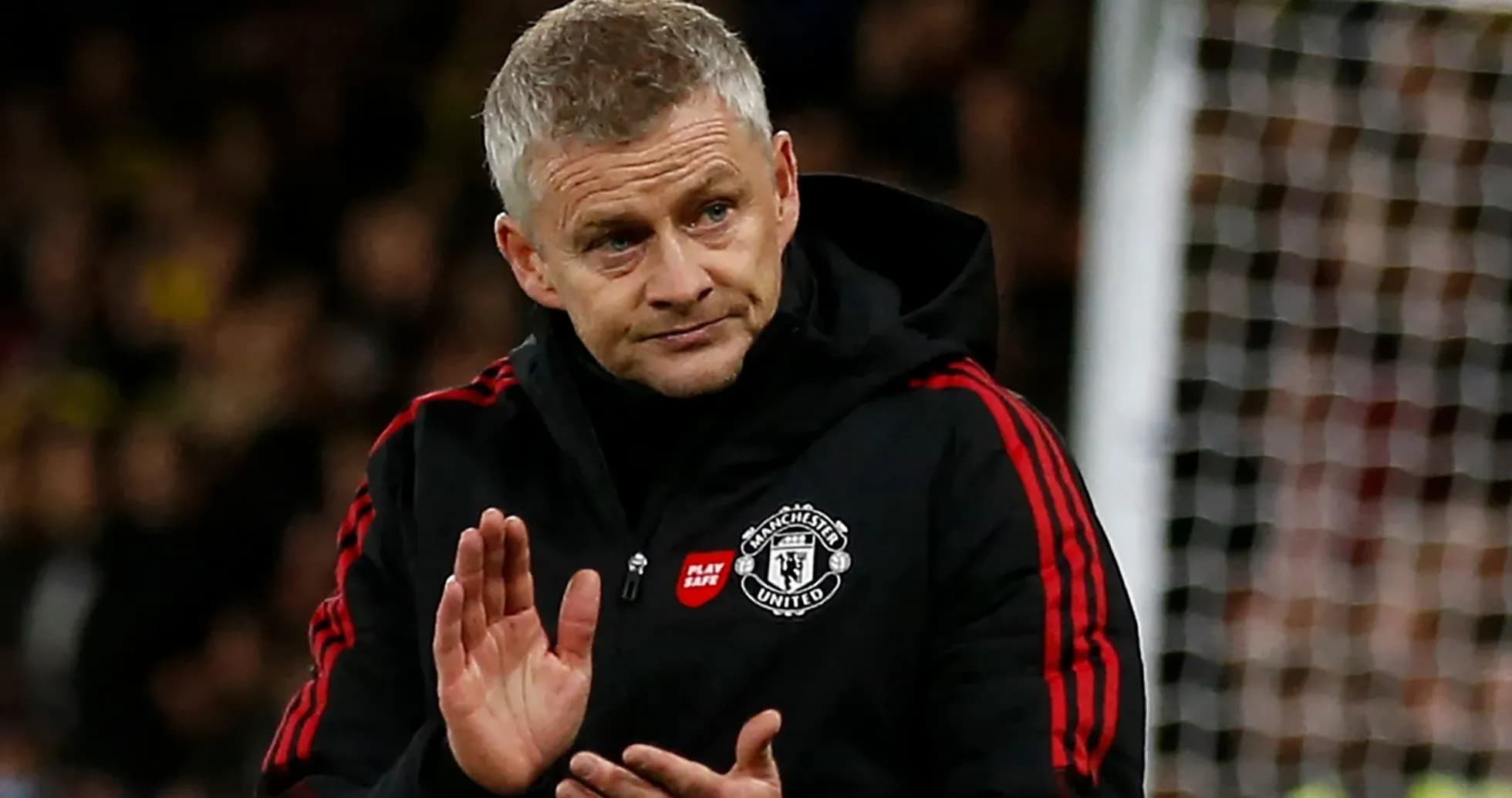
Pep Guardiola’s final Premier League game as Manchester City manager was supposed to be a straight tribute to a decade of dominance. Banners in the stands, a lump in the throat, one last victory lap.
Instead, it delivered a row about respect, competitive edge and where the line sits between ceremony and spectacle in elite football.
Rooney: “Do it after the game”
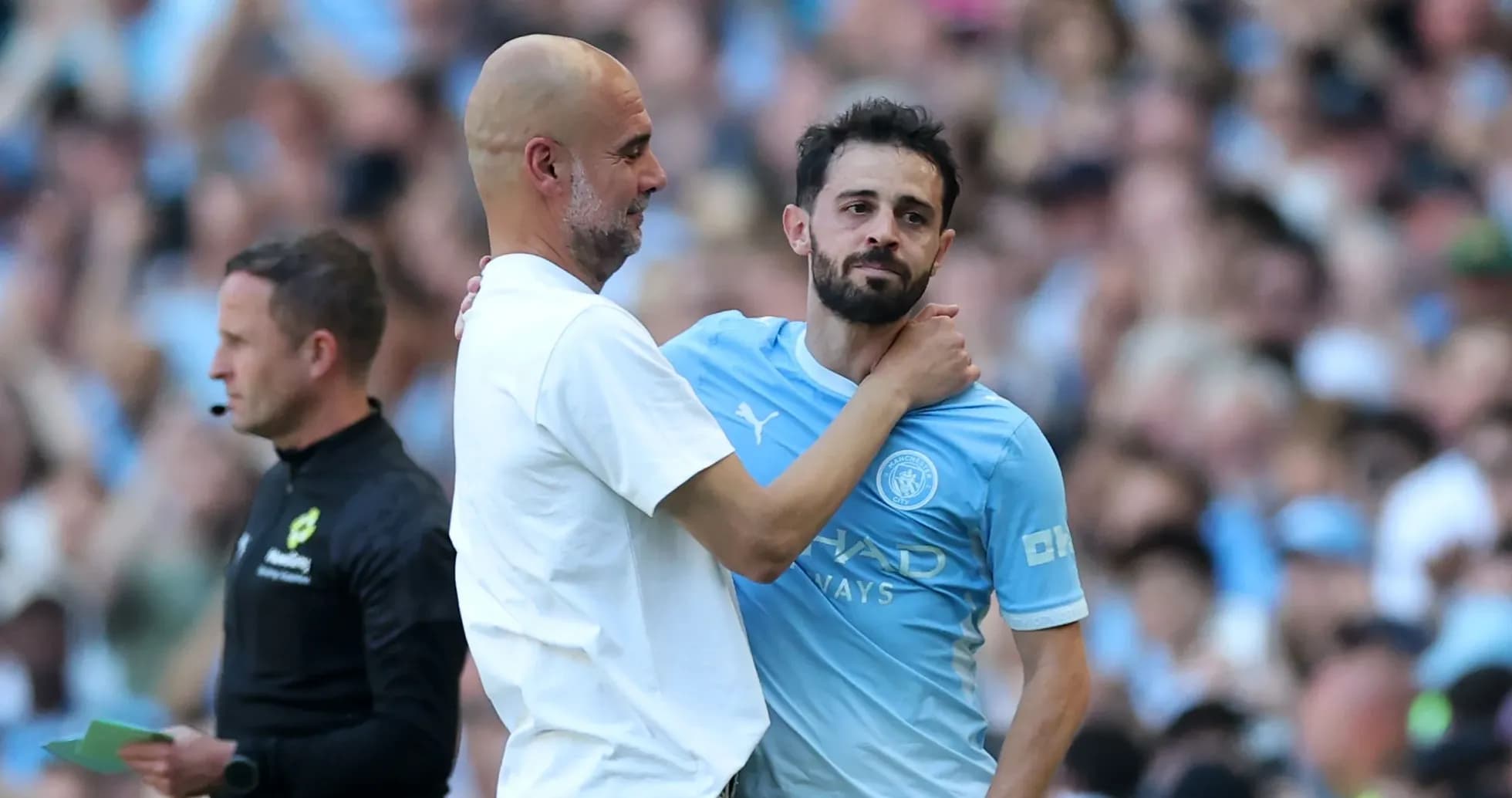
The flashpoint came in the second half against Aston Villa, when both Bernardo Silva and John Stones were given guards of honour as they left the pitch. Not at full-time. Not with the job done. During play.
Players from both sides formed corridors for the departing City men, applauding as they walked off. It was a clear nod to their contribution to a glittering era under Guardiola.
To Wayne Rooney, it was all wrong.
“It’s incredible,” he told BBC Match of the Day. “I’ve seen a few things this season, and it just makes me sad that some of these things are happening in football. Bernardo Silva and John Stones have been incredible for Manchester City and they deserve it, but do it after the game. If I was in that Aston Villa team, I’d be fuming.”
Silva came off just before the hour with the score level. The same spectacle followed around twenty minutes later for Stones. The timing jarred with the intensity a Premier League fixture is supposed to demand, particularly one still carrying European implications.
That, for Rooney and plenty watching, was the problem. Not the honour itself. The moment chosen.
Shearer “in Wayne’s camp”
Alan Shearer, rarely shy of a firm opinion, backed Rooney’s stance and questioned Aston Villa’s role in it.
“I was surprised that Villa agreed to doing it, particularly with so long left,” the former Newcastle United striker admitted. “I mean, with half an hour, just over half an hour to go with one of the substitutions, so yeah, I’m in Wayne’s camp. I’m not a great fan of that while the game is going on.”
For critics, scenes like this chip away at the competitive edge of the Premier League. The league sells itself on jeopardy and intensity. Here, with Villa still influencing European places, the optics felt uncomfortably like a testimonial played in the middle of a live campaign.
Villa stay ruthless on Guardiola’s big day
All of this unfolded on a day loaded with emotion for City. This was the end of Guardiola’s ten-year reign, the close of a spell that delivered 20 major trophies and reshaped the club’s identity.
The mood before kick-off was celebratory. Inside the ground, it felt like a coronation of an era.
On the pitch, Aston Villa refused to play the supporting role.
Antoine Semenyo had put City in front, seemingly setting up the script everyone expected: an early goal, a comfortable win, the party rolling straight into the night. Instead, the visitors tightened their grip, stayed disciplined and waited for their moment.
It came through Ollie Watkins, who struck twice to turn the game on its head and seal a 2-1 victory. While City drifted into a more sentimental rhythm during those farewell substitutions, Villa kept their edge. The contrast was stark.
For Unai Emery’s side, the win was more than a footnote to someone else’s farewell. Even with Champions League football already assured via their Europa League triumph, climbing into fourth place ahead of Liverpool mattered. It altered the final table and fed directly into the broader European picture, with Sporting CP benefiting by skipping qualifying rounds thanks to the coefficient knock-on.
City, usually ruthless in moments of emotion, blinked.
Guardiola in tears as bonds laid bare
At full-time, the scoreline almost felt secondary to what was happening in the home dugout. Guardiola, who has spent a decade building and rebuilding this City side, admitted he was “so tired” and broke down in tears as he tried to process the end of his Manchester chapter.
The Spaniard pointed to the reaction of his players to Silva and Stones leaving the field as the moment that finally cracked his composure. Those guards of honour, so fiercely debated outside, clearly cut deep inside the dressing room. They spoke to a bond that has underpinned City’s success since 2016.
For the manager, this was not about a single defeat. It was about saying goodbye to a group and a club that had defined his career for ten years.
Celebration or distortion?
The defeat itself will register only as a minor blemish on a monumental body of work: 20 major trophies, a style of play that became a benchmark, a domestic dominance few could match.
Yet the images that linger from this final league outing are not only of Guardiola in tears or of Watkins wheeling away in celebration. They are of players stepping aside mid-game to clap team-mates down a guard of honour, while points and places still hung in the balance.
For some, it was a touching sign of respect to two modern greats of the club. For others, Rooney and Shearer among them, it crossed a line, softening the hard edge that makes the Premier League what it is.
As City move into a post-Guardiola world and Villa look ahead to another season among Europe’s elite, the argument will not fade quickly: how do you honour legends and eras without diluting the very competitiveness that made them legendary in the first place?