.svg&w=384&q=75 "naujapitch logo")
Real Madrid Takes CVC Legal Battle to Supreme Court
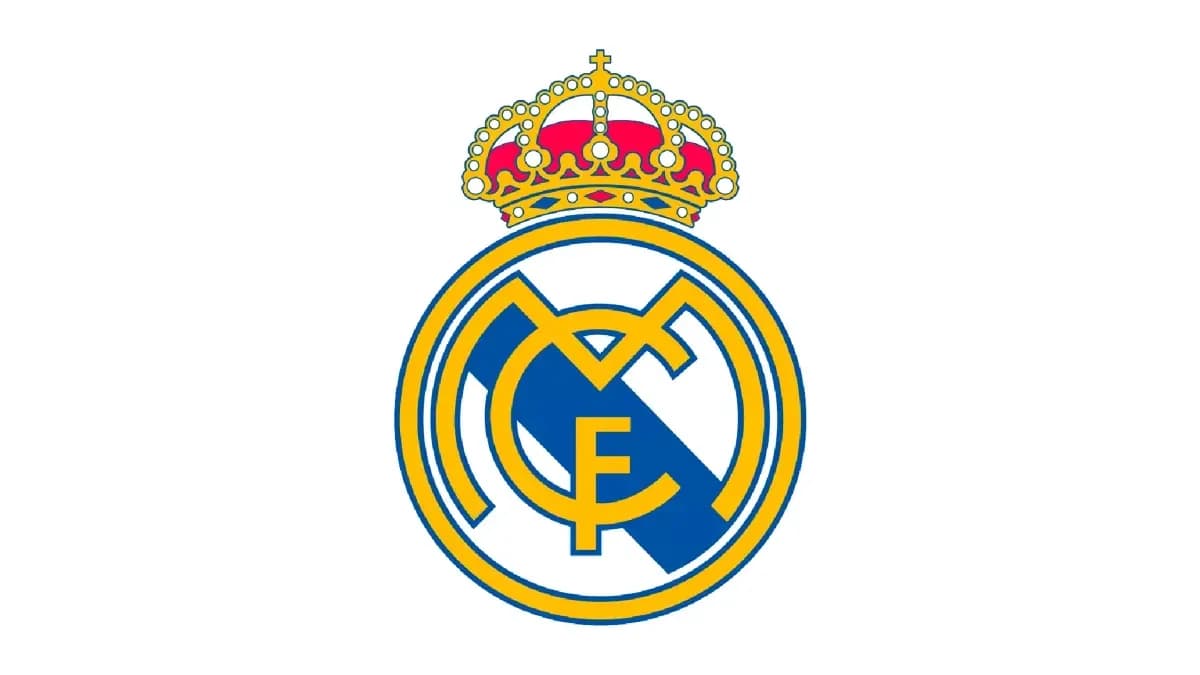
Real Madrid’s long-running legal war with LaLiga over the CVC deal is heading to Spain’s Supreme Court, after the Madrid Provincial Court threw out the joint appeal lodged by Real Madrid and Athletic Club.
The club confirmed the setback in a firm, carefully worded statement, stressing that while it “fully respects” the ruling, it “profoundly disagrees” with both the reasoning and the conclusions reached by the court.
At the heart of the dispute lies LaLiga’s controversial agreement with investment fund CVC, a deal that injected significant capital into Spanish professional football in exchange for a long-term share of audiovisual revenues. The Provincial Court has essentially sided with LaLiga’s interpretation: that the money CVC receives should be treated as a marketing expense related to audiovisual rights and that the operation does not affect clubs that refused to sign up.
Real Madrid could not be further from that view.
From the club’s perspective, the CVC pact is not a mere commercial arrangement on the margins of the game. It argues that the agreements reshape the entire management model for audiovisual rights in Spain, alter the economic ecosystem of LaLiga, and touch the “legitimate rights and interests” of every club in the competition — including those that rejected the deal.
This is why the club frames the issue as much bigger than a financial disagreement. Madrid insists that an operation designed to project its effects “over decades” on the economic and governance structure of Spanish professional football demands a far more rigorous legal examination than it has received so far. In its view, the ruling fails to grapple with the long-term legal, economic, and institutional consequences of tying a core revenue stream to a private fund for such an extended period.
The next move is already set. Real Madrid has announced it will file an appeal with the Supreme Court, seeking a definitive judgment from Spain’s highest judicial body. The club believes there are “matters of evident legal interest” at stake that require the High Court to establish doctrine on key elements of the legal framework governing the management and exploitation of professional football’s audiovisual rights.
This is no symbolic gesture. By pushing the case to the Supreme Court, Madrid is trying to force a landmark ruling that could shape how Spanish football sells and controls its broadcasting future.
The club closes its stance with a familiar promise: it will continue to defend, “at all applicable levels,” the principles of legality, transparency, legal certainty, and the protection of the rights and interests of its members and of all clubs in Spanish professional football.
The legal battle over CVC has already outlasted players, coaches, and seasons. Now it moves to the country’s highest court. The question is no longer just who gets what share of the money — it is who gets to define the rules of the game.